Easy Painting Ideas You Can Finish in One Evening
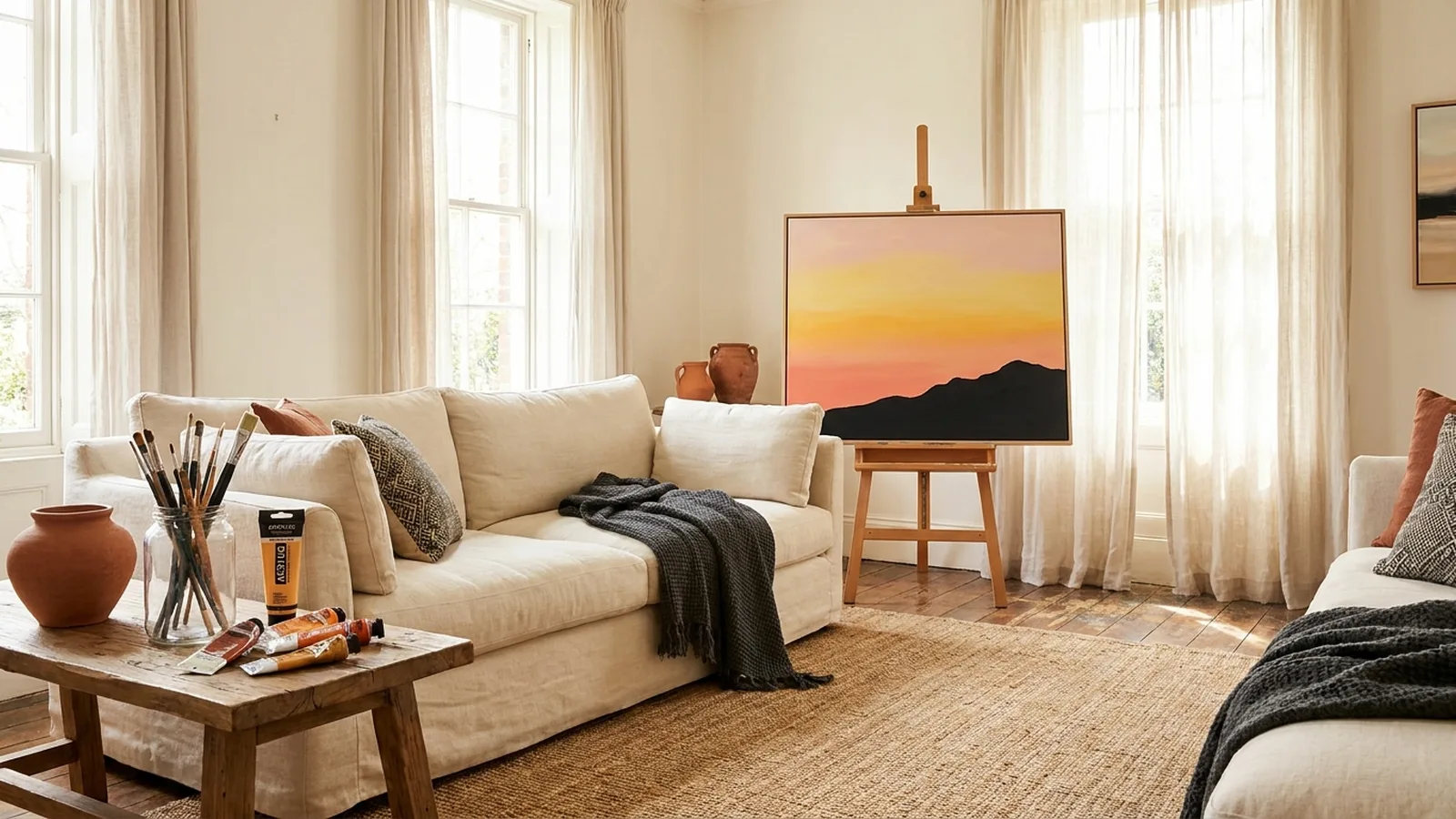
A 16 by 20 inch canvas, five tubes of acrylic and one free evening. That’s the whole commitment behind most easy painting ideas, so why do so many first canvases end up face-down in a closet?
Say a homeowner buys a starter kit on Friday, picks a sunset from a list of thirty, and by 9 p.m. is staring at a muddy brown sky and a crooked horizon. The problem wasn’t talent. It was a flimsy canvas, a subject that only looked simple, and a color scheme that fought the sofa anyway.
Here’s the twist most idea lists skip: the easiest big painting a homeowner can do isn’t on a canvas at all. It’s a wall. So this guide covers both, with forgiving subjects, honest time and cost notes, wall projects with real coverage math, and the mistakes that sink first attempts, plus how to rescue them.
Executive Summary
You can finish a good-looking painting in one evening if you pick a forgiving subject and give it decent materials. Skip the pear and the hard-boiled egg. Start with a sunset gradient, a silhouette or a color-block abstract, because soft edges hide mistakes that crisp objects expose.
The spend is modest. A basic acrylic set, a few brushes and a stretched canvas cover most projects, and an accent wall often needs less than one gallon of paint. A time and difficulty table helps you match a project to the hours you actually have.
The biggest hesitation is "I can’t draw." You don’t need to. Plenty of these ideas use tape, sponges or a squeegee instead of drawing skill. The painting should also suit the room it hangs in, so there’s a section on choosing colors, plus a short safety check for older homes before you sand or scrape any wall.
What makes a painting idea easy (and why isn’t simple always easy)?
An easy painting idea forgives mistakes. It uses soft edges, three to five colors, big shapes and no need for accurate drawing. "Simple" is different. A single pear has few parts but nowhere to hide, so one wobbly outline shows. Choose forgiving subjects first, then graduate to the honest ones once your hands trust the brush.
Artists in Quora answers say it bluntly: simple subjects are often harder. A hard-boiled egg looks trivial until you try to paint the soft shadow underneath it. A blended sky doesn’t have to match anything real, and a black tree on top covers a lot of sins.
Run three tests. Can a mistake be painted over once it dries? Does the idea avoid exact proportions? Can you finish it in under two hours? Three yeses means it’s easy. A good first painting is one where your errors look like style.
What supplies do you need, and what does it cost?
You need acrylic paints in a few basic colors, three brushes, a canvas, a palette, a water cup and paper towels. Cost depends on paint quality, canvas size and where you shop. A small starter setup is a modest spend, and a bargain bundle with thin paint and a thin canvas can end up costing more once you repaint.
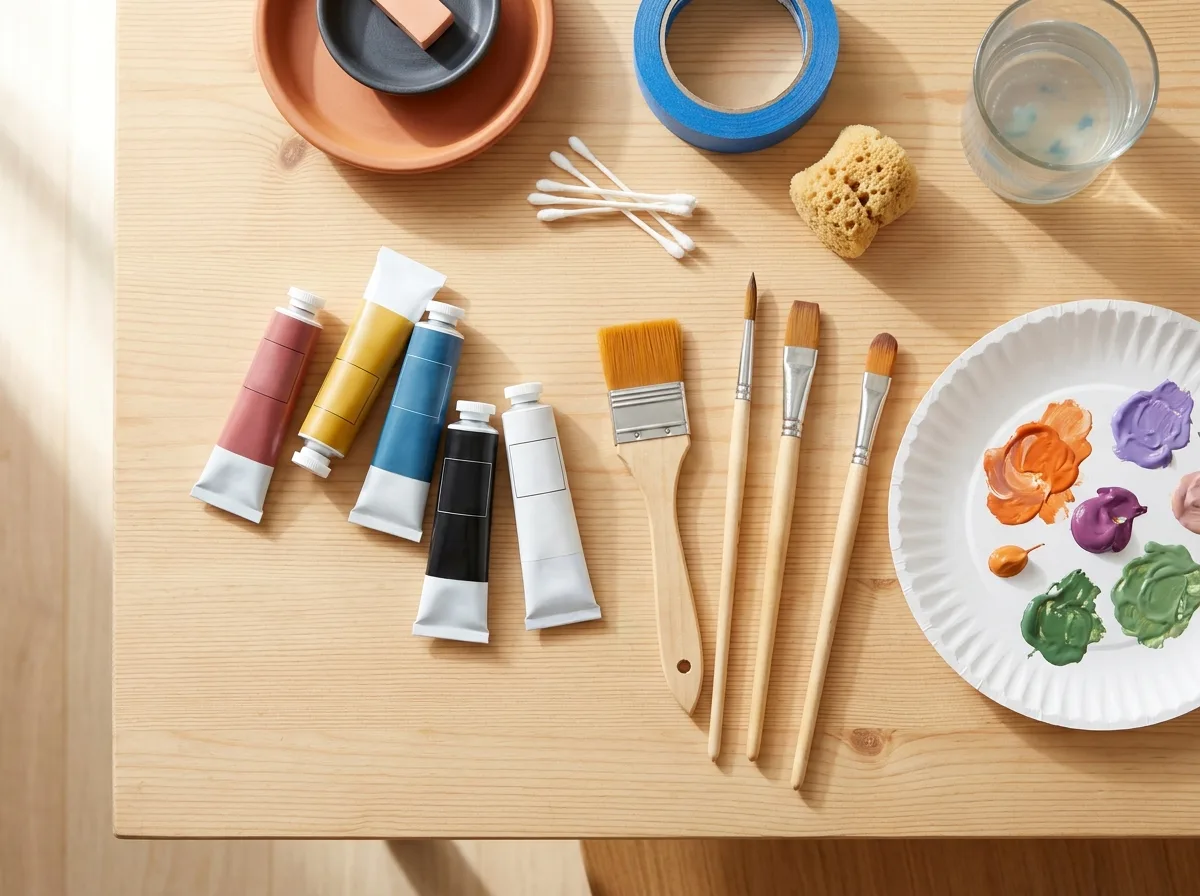
A workable kit: red, yellow, blue, black and white acrylic (mixing handles everything else), plus a flat brush, a round brush and a filbert, which is a flat brush with a rounded tip that blends well. Add painter’s tape, cotton swabs and a sponge, and nearly every one of these easy painting ideas is covered.
Some Reddit beginners claim they started with dollar-store gear and very little cash. Treat that as an anecdote, not a price list, because prices shift by store, brand and region. Picture the homeowner from the opening buying the cheapest bundle: the canvas sags, the paint streaks, and a second canvas means paying twice. Spend your extra money on the canvas, not the brushes.
Which paint and surface work best for beginners?
Acrylic is the best starting paint. It’s cheap, dries fast, cleans up with water while wet and covers mistakes. Watercolor is harder to control, and oil costs more and dries slowly. For surfaces, use a sturdy stretched canvas for finished pieces and primed cardboard or an acrylic paper pad for practice.
Craft acrylics are usually cheaper and fine for sunsets and kids’ projects. Artist-grade acrylics usually carry more pigment, so mixed colors stay richer, but check the label for pigment and quality details.
| Surface | Best for | Watch out for |
|---|---|---|
| Stretched canvas | Finished pieces to hang | Cheap thin versions warp |
| Canvas panel | Small, flat, sturdy pieces | Fewer sizes |
| Acrylic paper pad | Cheap practice sheets | Tape it down so it doesn’t buckle |
| Gessoed cardboard | Free practice | Needs a primer coat first |
Gesso is a white primer made for painting surfaces.
What are the best easy painting ideas for a first canvas?
The best easy painting ideas for a first canvas are a sunset gradient, a black tree or mountain silhouette, layered hills, a moon over water and a simple ocean horizon. All of them rely on soft blending and flat shapes, not drawing. Most take one to two hours, including a coffee break while layers dry.
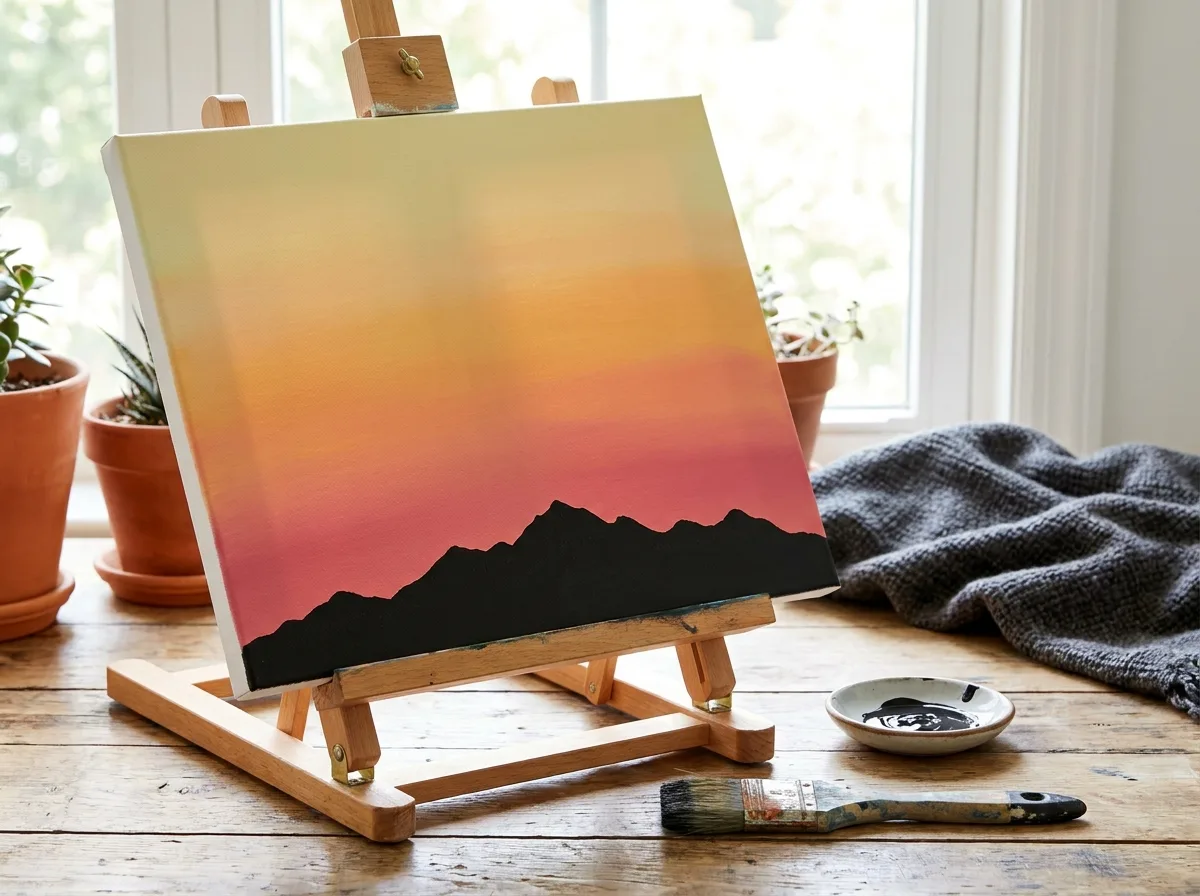
Take the sunset, which a first-timer might plan on roughly 75 minutes for (my estimate):
- Paint the whole canvas with a thin coat of white.
- Brush a band of yellow across the lower third, orange above it, then red or pink at the top.
- While wet, blend the meeting lines with a clean, dry flat brush using light sideways strokes.
- Let the sky dry until it no longer feels cool or tacky.
- Paint a ground line, a tree or a mountain ridge in black with a round brush.
One pattern keeps showing up in beginner threads: a hated sunset gets saved by a last dark layer. Foliage or a ridge turns "bad" into "moody." Layered hills work the same way: paint each ridge a shade darker as you move forward. If an olive branch silhouette in dusty green appeals, the leaf shapes and silvery-green tones pictured in this olive tree styles guide work as a visual reference for your ridge or branch.
What are cute easy painting ideas for beginners?
Cute easy painting ideas for beginners are round, friendly shapes with few details: a hedgehog made of dots, a whale, a heart cluster, a watermelon slice, a cactus or a pastel flower field. The trick is simplifying. Circles and blobs read as cute on their own, and big eyes do the rest.
A watermelon slice is a bold shape in two or three colors, far easier than a realistic pear. Animals use the same cheat: paint a round body, add two ears, and dot on the face last.
I could list thirty of these, but you need four. Pick one animal, one fruit, one flower and one heart pattern. Florals are the sneaky winner: dip a cotton swab in paint and dot petals around a center.
What are simple painting ideas for abstract and geometric art?
Simple abstract and geometric ideas include a taped color-block grid, wavy stripes, scraped squeegee layers, dot patterns and pour paintings. They need no drawing, only a plan for color. Tape makes crisp edges, a squeegee makes texture, and a limited palette keeps the result looking designed instead of accidental.
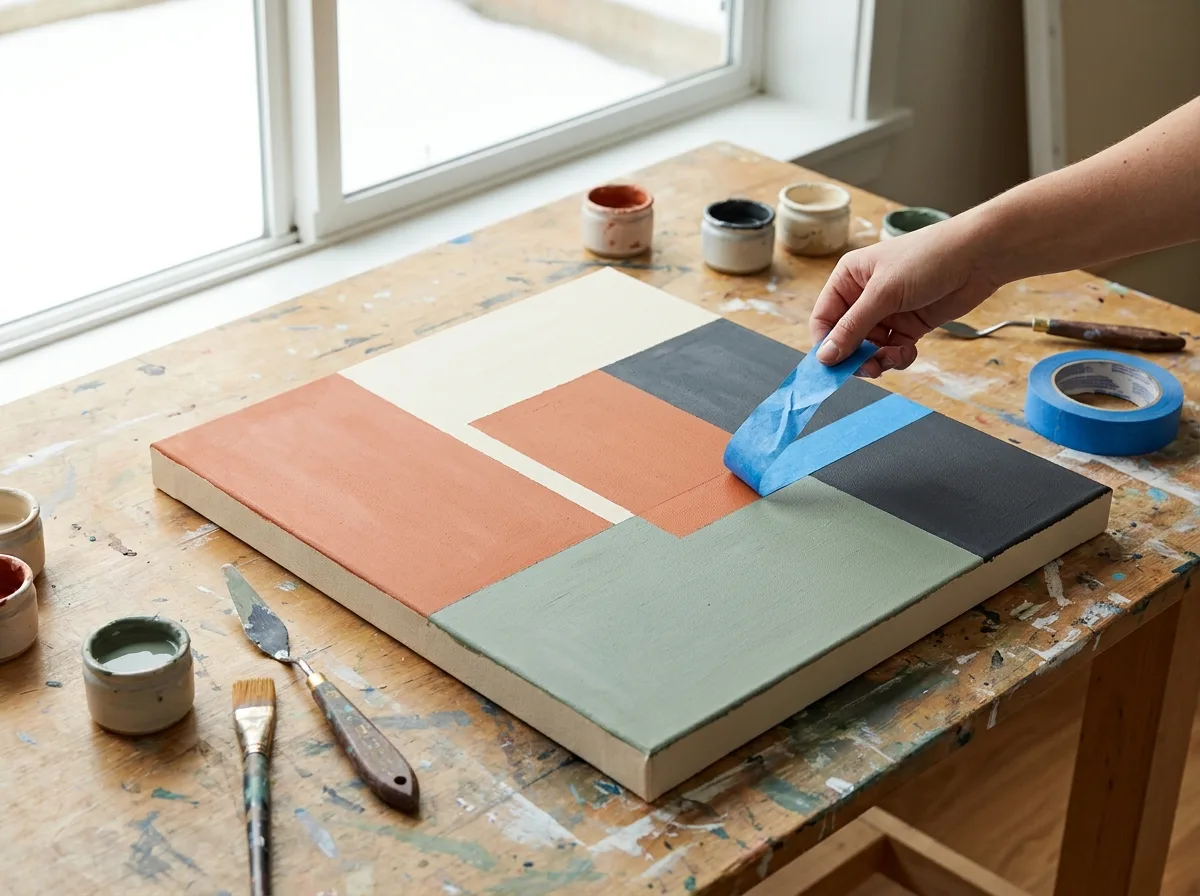
For a color-block piece, tape a grid over a dry base coat, paint alternating squares in two or three colors, and peel the tape while the paint is slightly tacky. Painter’s tape sold for delicate surfaces suits a fresh base coat. Press the edges down hard, or paint creeps under.
Squeegee art: dab blobs of three colors, then drag an old credit card across them once. Pour painting needs pouring medium and cleanup space, so I’d rank it medium.
What are easy painting ideas for walls?
Easy painting ideas for walls include a single accent wall, a painted arch, a two-tone half wall, a tape-line stripe and a sponge-texture finish. Each uses basic tools and one or two colors. Painting a wall is arguably the easiest big painting a homeowner can do, because the surface is flat and forgiving.
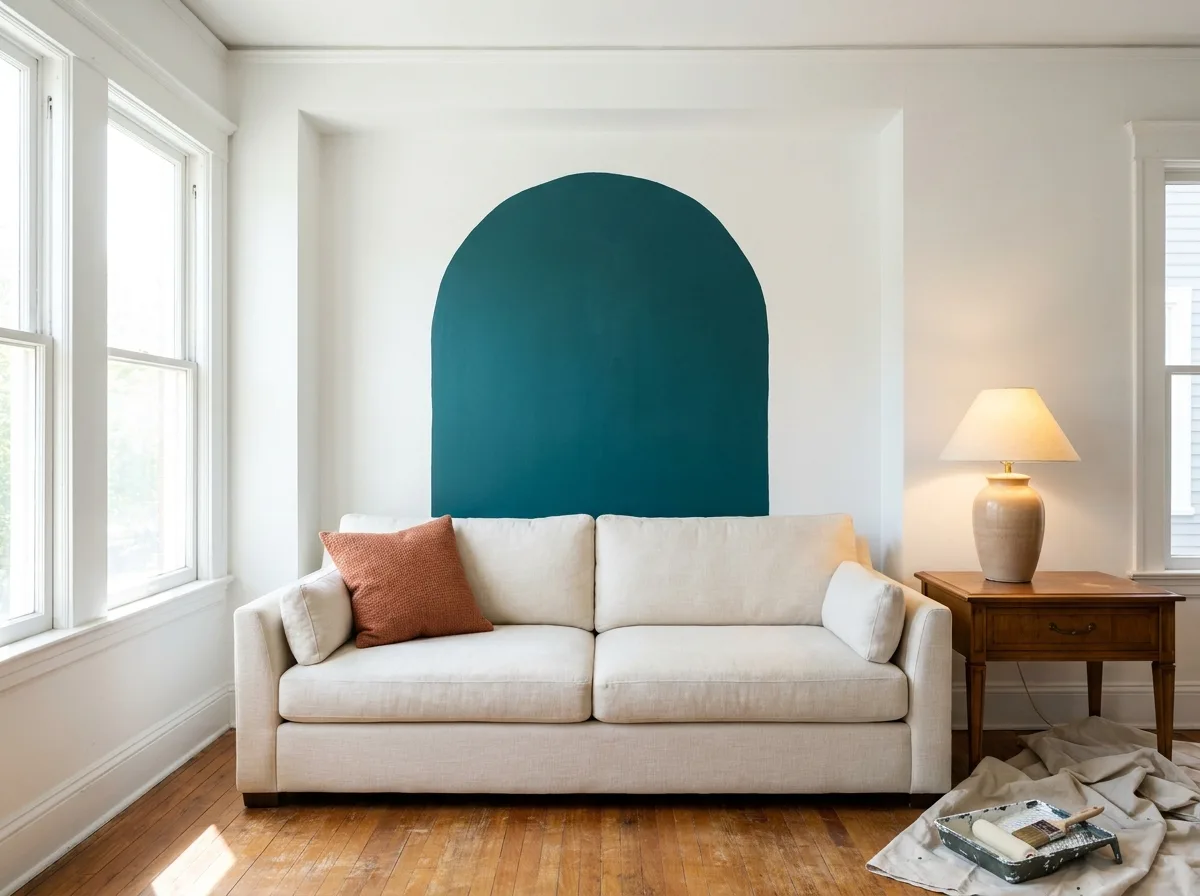
The math is friendly. Take an accent wall 12 feet wide and 10 feet tall, which is 120 square feet. Sherwin-Williams says a gallon typically covers about 350 to 400 square feet, depending on method and surface. Two coats means roughly 240 square feet of coverage, so you need less than one gallon. Many people finish that in a day, counting drying time between coats.
That figure is a floor, not a promise. Doors and windows shave a little off the area, but primer, a big color change or a rough surface can add coats. As general guidance, wash the wall, patch holes, tape the trim and prime patches before the color goes on. If the home predates 1978, read the older-home safety section below before you sand or scrape anything.
- Accent wall: the easiest. Pick the wall your eye lands on first and keep trim and ceiling white.
- Painted arch: a darker color inside an arch, traced with string and pencil, then taped.- Two-tone half wall: a darker lower half with a taped line at a consistent height.
- Sponge texture: dab a second, close color over the first for a soft cloudy look.
Pets and kids change the finish. A washable eggshell sheen (a low gloss with a slight glow) wipes clean better than flat. If you rent, check your lease first, or hang a painted canvas panel instead.
How do you pick colors that match your room?
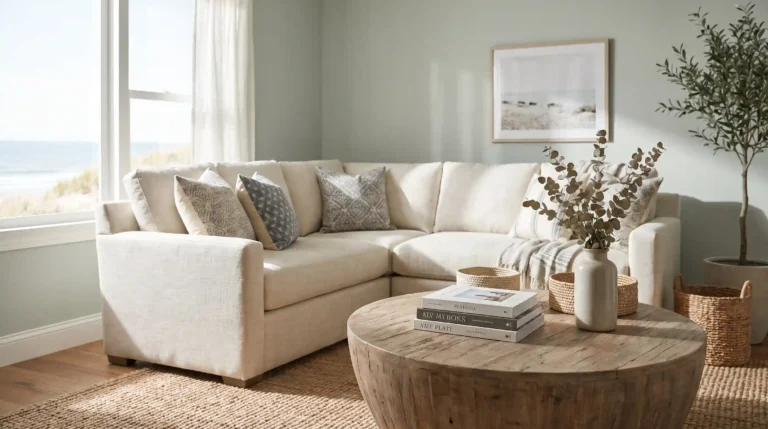
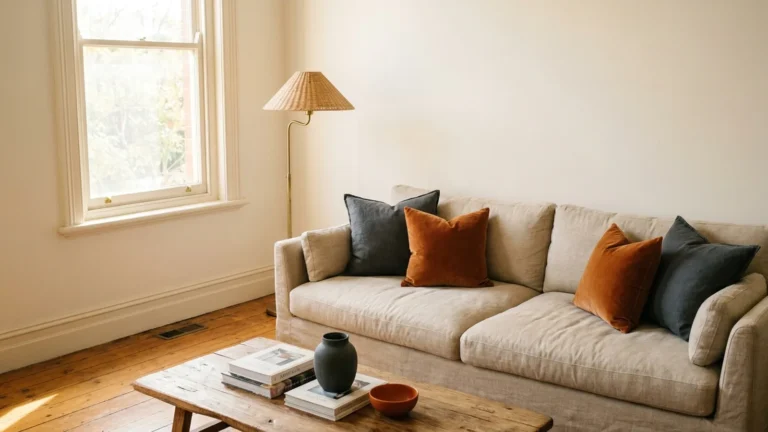
Pick colors by pulling two or three from items already in the room, such as a rug, a pillow or a curtain, then add white and one deeper shade. Test large swatches under your room’s real light in morning and evening. Match the painting to the space, not to Pinterest, and the result will feel intentional.
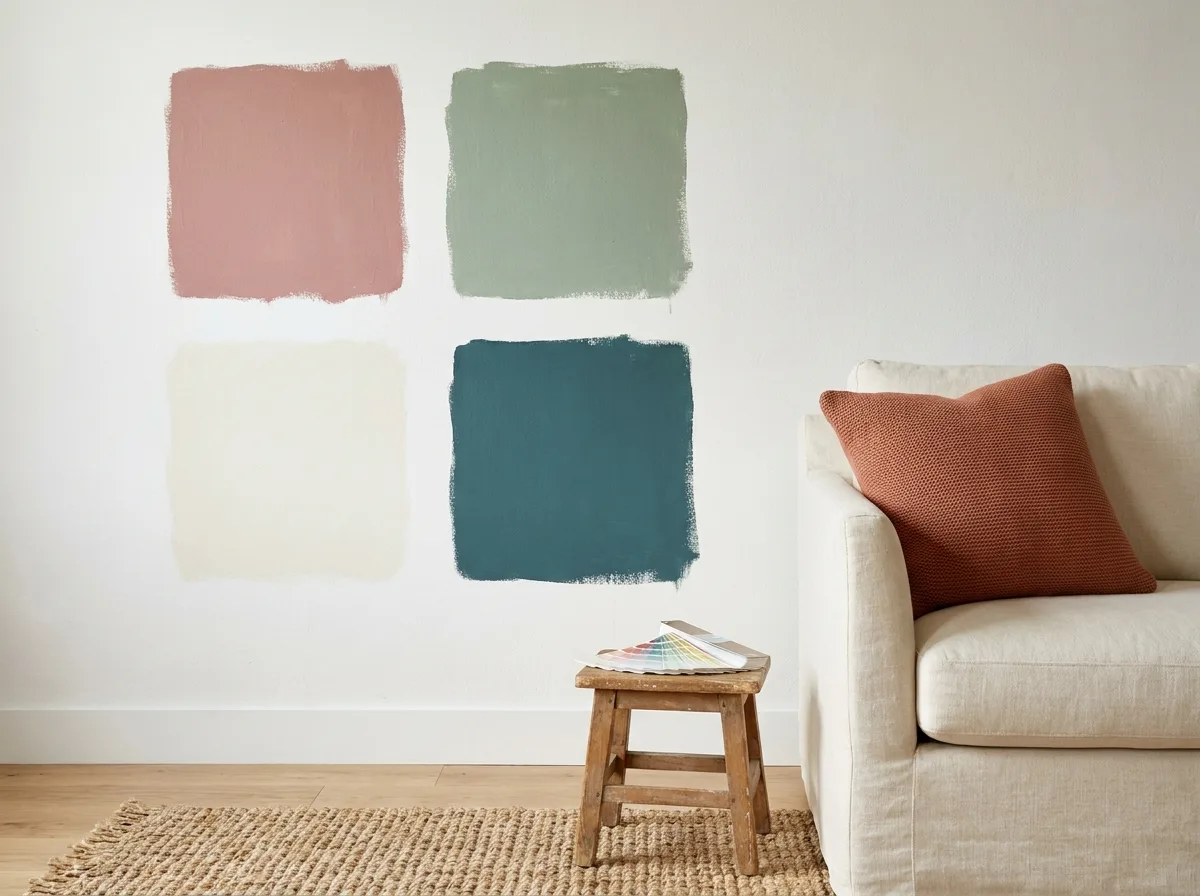
Quora answers repeat one warning: tiny paint chips lie. Paint a sample at least a foot square and look at it in sun, in shadow and under lamps. For a calm, muted wall, a green-gray like the one in this Sea Salt color guide pairs well with white and wood tones. For a soft backdrop that lets artwork speak, try a creamy white like the one in this White Dove walkthrough.
Say someone worries pink looks childish in a bedroom. The fix homeowners describe is a dusty, muted pink with gray in it. And lots of tiny prints shrink a wall, so one big piece usually beats six small ones.
What are easy painting ideas for adults, and for kids?
Easy painting ideas for adults lean on mood and room fit: layered landscapes, large abstracts, night skies and botanical silhouettes. Kids do better with process projects like marbleized paper, splatter art, handprint animals and sponge stamps. Kid-friendly doesn’t mean adult-friendly, so don’t just swap the paper for canvas.
For adults, the best bet is one large, simple canvas. A 24 by 36 inch gradient with a thin horizon looks more expensive than twelve tiny paintings. For kids, use washable tempera, cover the table with a cheap drop cloth, and plan cleanup before you open a bottle. Don’t expect a young child’s piece to match the sample photo. For a quick kid setup, tape a sheet of paper to the drop cloth, squeeze out only three washable colors and hand over sponges. An adult example is a night sky: a dark blue gradient with splattered white dots.
How long does each easy painting idea take?
Most easy painting ideas take one to three hours of hands-on time, but wall projects run longer because of coats and drying. Sunset gradients and dot flowers are the fastest. Taped color blocks and pour paintings add waiting. Plan around the drying time printed on your paint label.
These are my rough planning guesses for a first-timer, not lab results. For the cost column, "Low" means roughly a canvas and a few tubes of paint you may already own, and "Medium" means extra materials such as pouring medium or a full gallon of wall paint. Both labels are hypothetical, not quotes.
| Idea | Hands-on time | Difficulty | Cost level |
|---|---|---|---|
| Sunset gradient | 1 to 1.5 hours | Easy | Low |
| Silhouette tree or ridge | 1.5 to 2 hours | Easy | Low |
| Dot flowers with swabs | About 1 hour | Easy | Low |
| Taped color-block grid | 2 hours plus drying | Easy to medium | Low |
| Squeegee abstract | 45 minutes | Easy | Low to medium |
| Pour painting | 1 hour plus long drying | Medium | Medium |
| Accent wall | Half day to a full day | Easy to medium | Medium |
| Painted arch | An afternoon | Medium | Low to medium |
Cost level compares projects with each other and isn’t a quote. Canvas size drives it most. A painting that lingers for three weeks is a painting that never gets finished.
What mistakes ruin easy paintings, and how do you fix them?
The most common mistakes are muddy colors from too much mixing, a cheap thin canvas, paint thinned with too much water and overworking one area. The fix is almost always fewer colors, drier brushes, patience between layers and stopping sooner. Most mistakes can be painted over once dry.
A common version of the muddy mistake: someone mixes red, green, blue and brown on one blob, hunting for the perfect shade, and ends up with the color of old gravy. Limit each section to two or three colors and rinse the brush between them.
The other classic is overworking. Stroke the same sky twenty times and it turns dull. Stop at eighty percent done, walk away and look tomorrow. Even easy painting ideas reward a pause. Warped canvas means upgrading the canvas. Fuzzy tape lines mean sealing the edge with a thin coat of the base color first. Hated the whole thing? Paint dark foliage or a pattern across it.
How do you come up with what to paint when you go blank?
Start with a reference photo, a simple shape or a color you like, then paint your way in. Free photo sites like Unsplash, old magazines, Pinterest boards and your own phone all work. Blank-canvas paralysis is common and usually means the starting point is too big, not that you lack ideas.
Painters in Reddit threads share the same rescue moves. Shoot one photo a day. Start with three shapes and two colors. Follow a YouTube tutorial and change one element so the result is yours. My opinion: fear of being bad is the real obstacle, so call your first ten paintings homework.
How do you finish, seal and hang the painting?
Let the painting dry completely, then seal it with a clear acrylic varnish if you want protection. Hang it so the center sits near eye level and the piece feels anchored to the furniture below. Wash brushes with soap and water before paint hardens, and follow local rules for leftover paint.
Check the label for dry and recoat times, since thick layers take longer. A sealer guards against dust and fingerprints. Matte hides brush marks, while gloss makes color pop. Dried acrylic on bristles means a new brush.
Is painting your own walls and art safe in an older home?
Painting is generally safe, but homes built before 1978 may contain lead paint. Don’t dry-sand or scrape old paint without precautions. Ventilate, use low-VOC paint, wet-wipe dust and keep children and pets away. If paint is peeling or you’re unsure, hire a certified professional. Rules vary by location.
The EPA’s Renovation, Repair and Painting program covers homes built before 1978. Paid contractors must be lead-safe certified. Owner-occupant DIYers are generally exempt, though the EPA still advises lead-safe practices. The rules reach further if the home is rented, used for childcare or being flipped.
Low-VOC (low volatile organic compound) paints release fewer fumes, though fresh air still matters. This is general information, not medical or legal advice, so check local rules and ask a licensed pro about deteriorating paint.
Frequently Asked Questions
What is the easiest thing to paint for a beginner?
A sunset gradient with a black silhouette is the easiest. It uses three blended colors and one dark shape, so no proportions can go wrong. Soft blending hides brush marks, and the silhouette hides the messy edge. A first-timer might plan on roughly 75 minutes (my estimate). Add a moon once you feel confident.
What is the cheapest paint to start with?
Craft acrylic is the cheapest useful start. It usually comes in small bottles in many colors, and it suits sunsets, silhouettes and kids’ projects. Prices vary by store and region, so compare the per-ounce cost on the label. Move to artist-grade tubes later if your mixed colors look weak or chalky, since those usually carry more pigment.
Can I paint without knowing how to draw?
Yes. Many easy painting ideas use tape, sponges, cotton swabs or a squeegee instead of drawing. Color-block grids, gradients, dot flowers and abstracts need a color plan, not sketching skill. For a recognizable shape, print a simple outline and transfer it lightly with pencil. Drawing improves with practice, but you can start without it.
Should I start with acrylic or watercolor?
Start with acrylic. It’s cheaper, dries fast and lets you paint over mistakes once dry. Watercolor looks simple, but errors are hard to cover and water control takes practice. Oil is the costliest and slowest to dry. Once acrylic feels comfortable, try watercolor or gouache for a different feel, and keep your first projects small.
How much paint do I need to cover a wall?
Plan on about one gallon per 350 to 400 square feet, according to Sherwin-Williams. Multiply width by height, then double it for two coats. A 12 by 10 foot accent wall is 120 square feet, or about 240 with two coats, which is under one gallon. Rough or dark surfaces may need more.
How long does acrylic paint take to dry?
It depends on thickness, humidity and brand, so read the label. Thin layers feel dry to the touch much sooner than thick ones, but a painting can feel dry on top and stay soft underneath. Wait until the surface is no longer cool or tacky before adding another layer, and allow extra time before sealing or hanging.
Do I need gesso?
Not always. Most store-bought stretched canvases come pre-primed, so you can paint right away. Gesso matters on cardboard, wood or raw paper, because it seals the surface and helps paint grip. Two thin coats on scrap cardboard make a free practice pad. If your canvas soaks up paint and looks patchy, add one thin coat before you start the sky.
Is it okay to copy a tutorial?
Yes, for private practice. Following a video step by step is how many painters learn color mixing and brush control. Don’t sell the copy as your original design, and credit the teacher if you share it. Alternate copying with painting from a reference photo or your own idea.
Do you need talent to paint?
No, that’s a myth. Early painting is mostly learning to mix colors, control water and know when to stop, and those skills come from repetition. Beginners often assume they must be good first, and that belief stops more people than any lack of skill. Treat your first ten paintings as practice and judge progress by the eleventh.
How do I stop my painting looking muddy?
Use fewer colors and clean your brush between them. Mud happens when you mix many pigments in one spot or keep blending wet layers together. Let each layer dry before adding another, keep white and black separate, and limit each section to two or three colors. A dry-brush pass of clean color can revive a dull patch.
Conclusion
The quickest route to a painting you’re proud of is a forgiving subject, a sturdy surface and a color plan that suits the room. The homeowner from the opening didn’t fail for lack of talent. A taped grid, a gradient or a single accent wall would have given them a win by 9 p.m. instead of a muddy sky.
The wall angle is the one to remember. It’s the biggest, most forgiving canvas in your house, and the coverage math is simple. Save the smaller easy painting ideas for evenings when you want a quick win.
Pick one idea from the table, gather supplies tonight and set aside ninety minutes this weekend. Which wall in your home would look best with its own accent color?