Christmas Tree Decorations: How Many, What Order, What It Costs
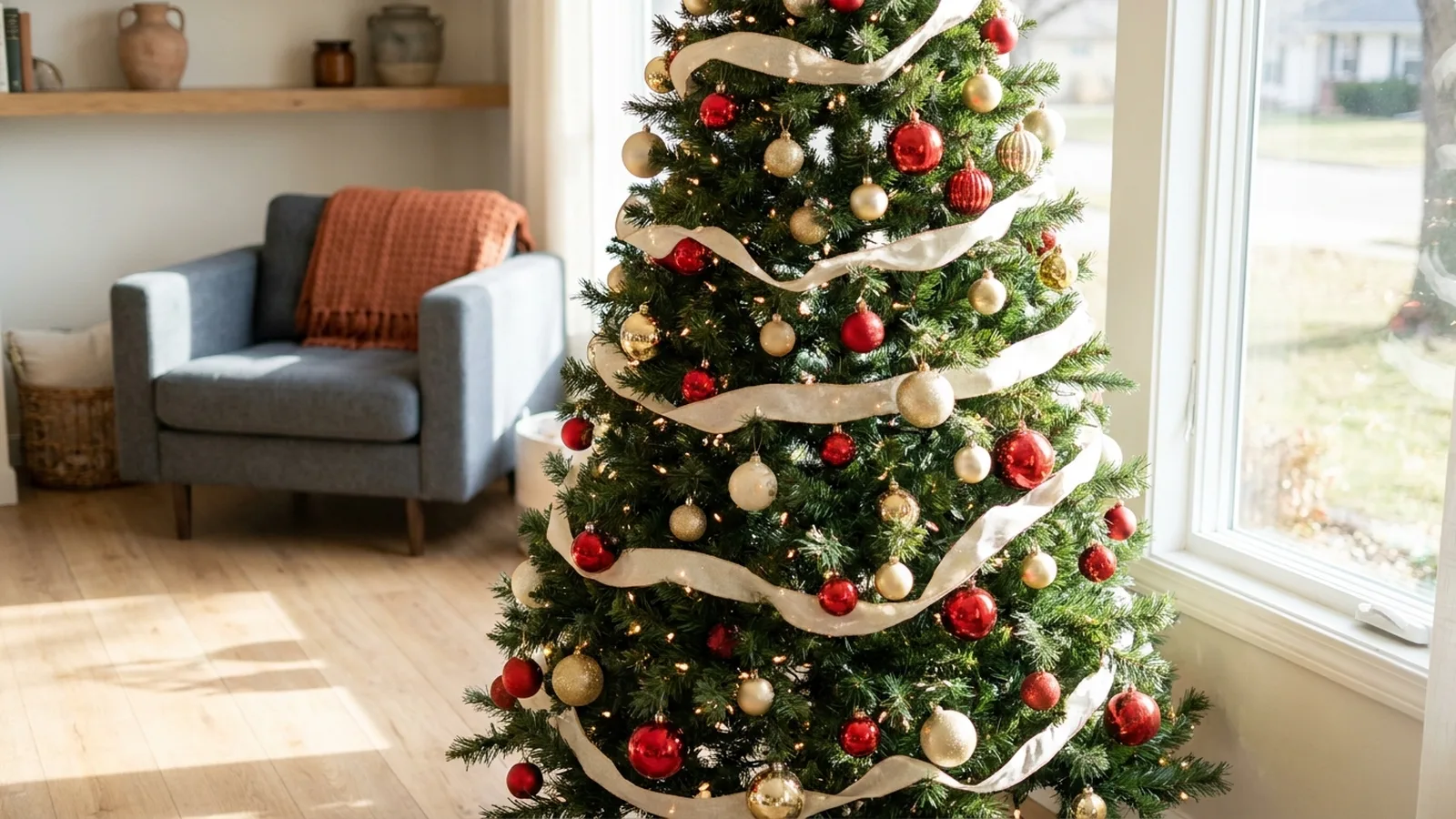
A 6-foot tree, 40 ornaments and a free Saturday afternoon. By dinner the tree looks like someone sprinkled glitter on a bush, with every ornament hanging off the outer tips and the middle bare. Most people blame the ornaments. The real culprit is usually the count and the order.
Christmas tree decorations are easy to buy and hard to plan. Nobody says how many pieces a tree needs, which layer goes first, or what the whole thing costs once lights, ribbon and a topper join the cart.
This guide covers that dull but useful part: a per-foot ornament count, a layering order with reasons, a three-year budget, and pet-proof and porch-tree rules most guides skip.
Executive Summary
A full, balanced tree does not need a boxed kit or a December panic. For a standard look, plan on roughly 11 to 14 ornaments per foot of height and hang everything in layers from the inside out. Lights go first, ribbon second, big ornaments deep in the branches, small fillers last and the topper at the end.
Cost is the usual worry, so spread it out. A few good pieces bought after the holiday each year beat one big purchase, and lights and ribbon are the cheapest changes with the biggest payoff. A sparse tree is also a legitimate style, and shiny ornaments belong inside while matte ones sit outside. Safety matters too, from pets at floor level to a tree that comes down on time in January.
What counts as Christmas tree decorations, and what are they called?
Christmas tree decorations are everything you add once the tree stands in the room: lights, garland or ribbon, ornaments (often called baubles), picks and sprays, a topper, and a skirt or collar at the base. Lights, ribbon and ornaments do the heavy lifting, while the rest finish the look and cover gaps.
A few terms trip people up. A pick is a short stem of faux berries or foliage you tuck into branches to fill holes. A topper (or finial) sits on the highest tip. A collar is a rigid ring around the stand, and a skirt is soft fabric.
How many Christmas tree decorations do you actually need?
Plan on roughly 11 to 14 ornaments per foot of height for a standard look, 6 to 8 per foot for a sparse look, and 15 to 20 per foot for a packed designer look. A 6.5-foot tree at standard density lands near 70 to 90 ornaments, which matches Balsam Hill’s published guideline.
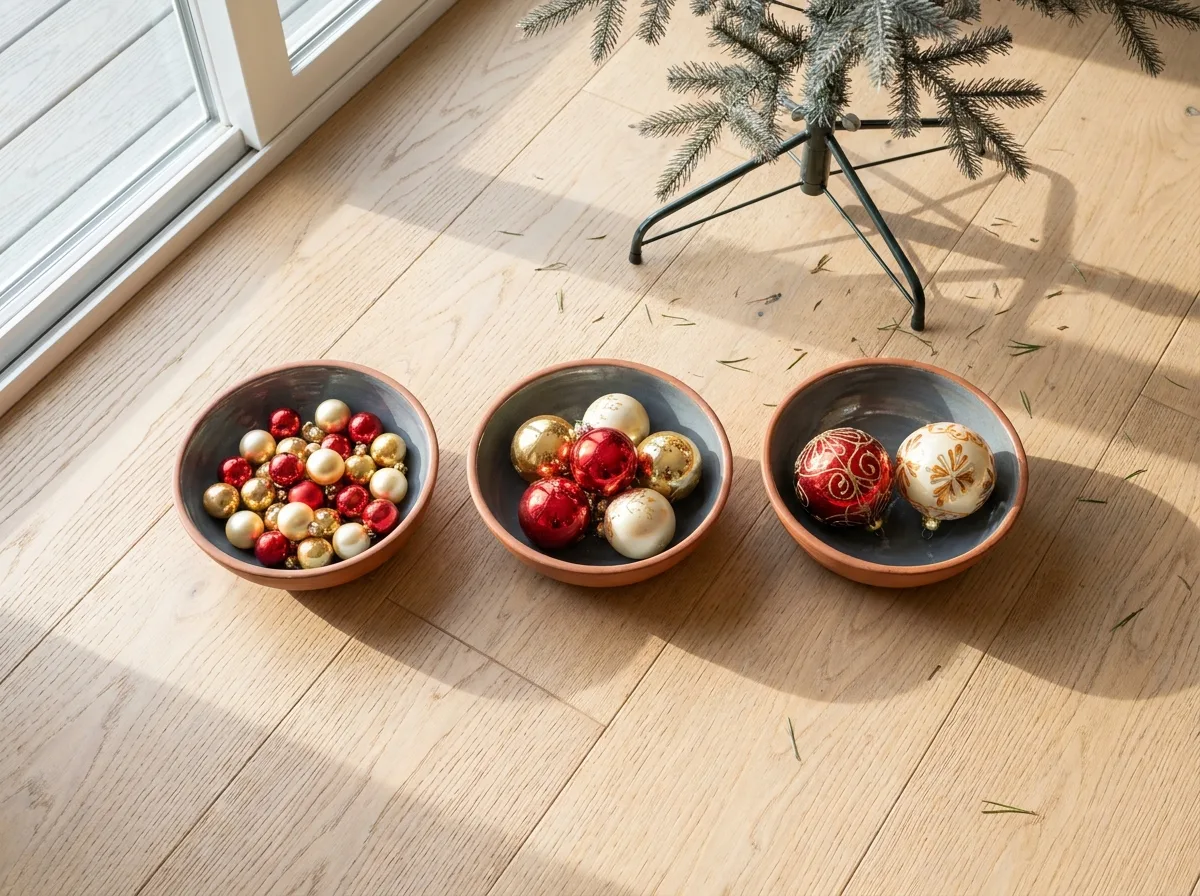
Two sources disagree here. Balsam Hill suggests 70 to 90 ornaments for 6.5 feet, about 11 to 14 per foot. Designer Bria Hammel, quoted by Elle Decor, talks about 15 to 20 per foot. Treat both as a range, not a law. The sparse figure is my own rule of thumb.
| Tree height | Sparse (6 to 8 per foot) | Standard (11 to 14 per foot) | Packed (15 to 20 per foot) |
|---|---|---|---|
| 6 feet | 36 to 48 | 66 to 84 | 90 to 120 |
| 7.5 feet | 45 to 60 | 83 to 105 | 113 to 150 |
| 9 feet | 54 to 72 | 99 to 126 | 135 to 180 |
How it was judged: each per-foot range multiplied by height and rounded to whole ornaments.
Sparse is a real style, not a failure. A tree with 6 to 8 ornaments per foot looks deliberate when the palette is tight, the lights are warm and the open branches show off the tree’s shape. Keep a few ornaments deep near the trunk so the gaps read as chosen rather than forgotten.
Mix sizes too. One Reddit answer used three bands: about 1 to 2 inches, 3 to 5 inches, and a few statement pieces near 8 inches. Make the small band largest.
What is the correct order for decorating a Christmas tree?
Work from the inside out and from the least forgiving layer to the most forgiving. Fluff the branches, test and hang lights, add ribbon or garland, tuck in picks, hang large ornaments deep inside, fill with medium and small ones, then add the topper and skirt. Each layer is easier to place when the earlier ones stay put.
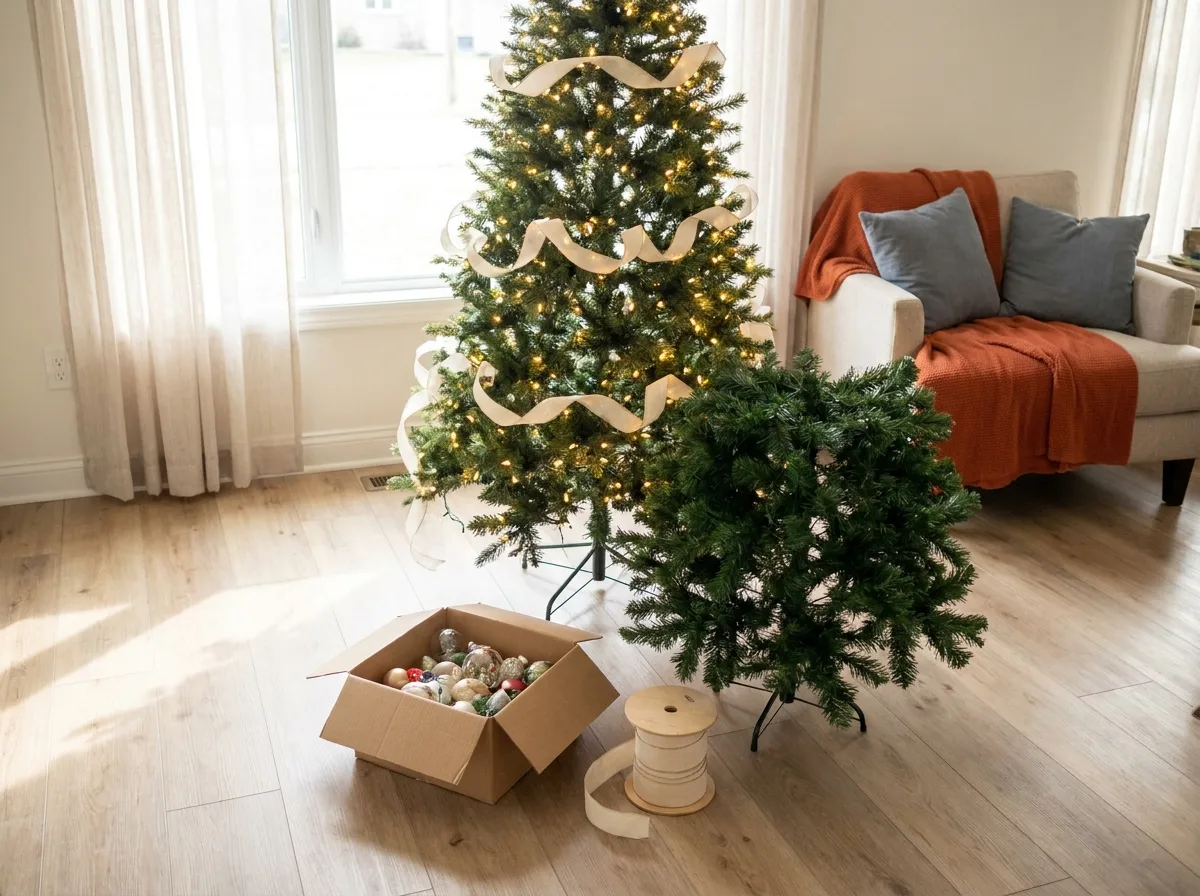
You can’t rearrange lights and ribbon once ornaments hang on them. Budget about 3 hours for a 6.5-foot tree (my estimate). Test every light string on the floor first.
- Fluff every branch tip, top to bottom.
- Hang lights, then ribbon in loose swags or vertical ropes.
- Tuck picks into visible holes.
- Place large ornaments near the trunk, then medium, then small.
- Add the topper and skirt, then walk around.
Reddit decorators add a depth trick. Put shiny ornaments inside near the lights, where they bounce glow around, and matte ones outside.
Case study: the spotty tree. Say a 7.5-foot tree carries 60 ornaments, all on branch tips. It looks thin because nothing sits deep. The fix takes about 15 minutes. Move 15 ornaments toward the trunk and add four picks. No new purchase needed.
Which Christmas tree decoration styles are worth copying?
Pick the style that fits your room and budget, not the one on the most pin boards. Classic red, silver and gold, minimalist, farmhouse, rustic and buffalo plaid all work when you limit the palette to two or three colors and repeat them evenly from top to bottom.
| Style | Key pieces | Suits | Watch out for |
|---|---|---|---|
| Classic or red | Red and green, glass balls, velvet bow | Traditional rooms | Too many shades of red |
| Silver and gold | Mixed metals, mercury glass, warm lights | Formal or modern rooms | Cool and warm tones fighting |
| Farmhouse and rustic | Burlap, twine, wood slices, pinecones | Cabins, country rooms | Clutter creeping in |
| Buffalo plaid | Black and red check ribbon, plain ornaments | Casual family rooms | Pattern overload |
How it was judged: how few pieces each style needs to look finished, and what tends to go wrong.
A tabletop tree uses the same math. At 6 to 14 per foot, a 2-foot tree lands around 12 to 28 ornaments (my estimate, not a sourced number). Keep them small and choose a small topper plus ribbon over garland.
How do you match colors and lights without a mess?
Choose one light color and build the ornament palette around it. Warm white flatters gold, red, wood and cream. Cool white suits silver, blue and white. Multicolor lights work best with clear, silver or single-color ornaments. Mixing all three is where trees turn muddy.
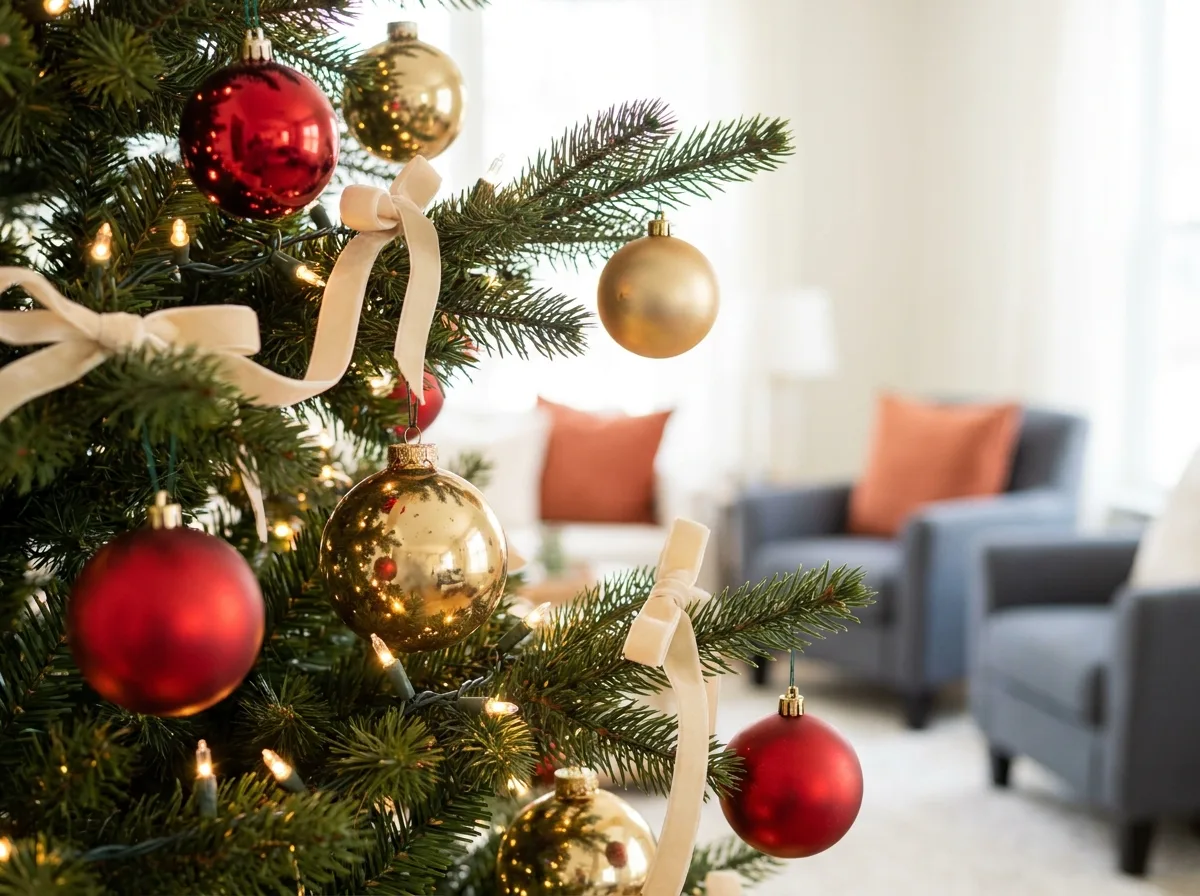
Multicolor lights cause the most regret. A common version: red, gold and blue ornaments on a multicolor string, and the tree reads as noise. The fix is clear, silver or one-shade ornaments, so the lights supply the color.
Check each label for indoor or outdoor use, don’t link more strings than it allows, and switch lights off when you leave. For 2020 to 2024, the NFPA reports lighting or electrical equipment was involved in 40 percent of home fires started by Christmas trees.
How much do Christmas tree decorations cost, and where should you spend?
Spend on lights, ribbon and a few statement pieces first. Ornaments run from $2.99 to $59.99 at Decorators Warehouse and start around $5.59 at Kirkland’s, while premium glass sets reach $249 to $349 at Balsam Hill. Most people save by shopping after Christmas, at thrift stores and at discount chains.
Reddit and Quora agree: never pay full price. Post-Christmas clearance is the big one (Quora answers mention 50 to 75 percent off, anecdotally). Per Reddit, TJ Maxx, HomeGoods, Hobby Lobby and Michaels often shelve decor, and Dollar Tree often covers shatterproof basics. Good christmas tree decorations rarely need a full-price tag.
Case study: the three-year build. Say you start with a bare 6-foot tree and want 66 ornaments. In year one, spend about $60 on warm white LED lights and wired ribbon, then add 20 ornaments. In year two, add 20 more from after-Christmas sales. By year three the set is complete. The numbers are hypothetical, but the pattern is the point. Natural pieces such as dried orange slices, pinecones and wood slices stretch the budget further.
How do you decorate a tree around cats, dogs and kids?
Keep the bottom 18 to 24 inches of branches bare or hang only shatterproof pieces there. Use a weighted stand, skip glass at floor level and avoid fake snow and tinsel around pets. Food-based and small ornaments tempt animals, so place them high.
The 18 to 24 inch margin is my own rule, not a sourced standard. Picture a composite cat. Glass balls at paw level often get swatted within the hour. Move them up, hang a few cat toys at the bottom, anchor the tree, and the same cat may lose interest. Skip edible decor in homes with animals. Cinnamon sticks, dried orange slices and popcorn strings can tempt pets, and some can upset their stomachs, so hang them well above reach or leave them off. Ask a vet about any spice you are unsure of. For kids, put sentimental glass up high and shatterproof pieces low.
Can you use Christmas tree decorations outdoors on a porch tree?
Yes, but only with weather-rated pieces. Choose lights marked for outdoor use, shatterproof ornaments, wired water-resistant ribbon and a heavy base. Wind and moisture wreck glass, paper and untreated wood fast, so check each manufacturer’s label before you leave anything outside overnight.
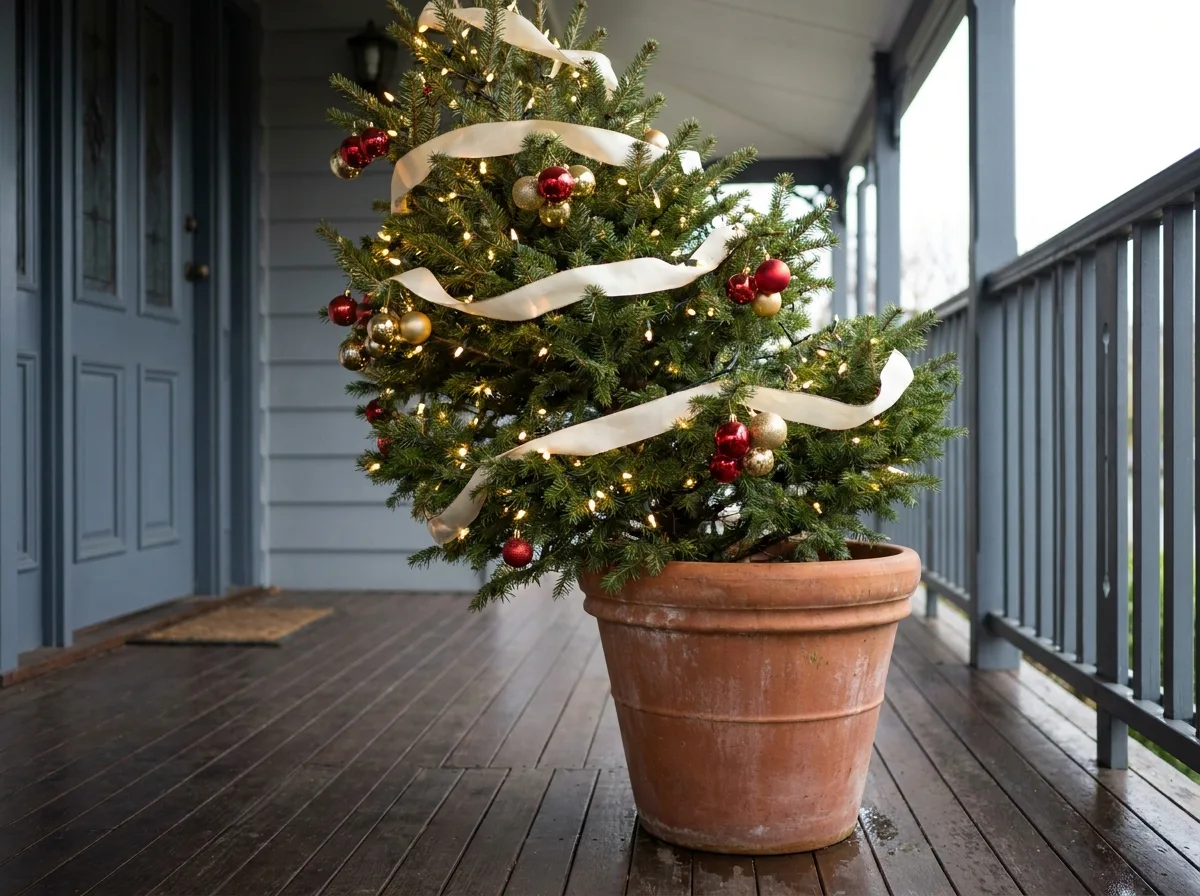
Tie or clip ornaments so wind can’t shake them loose. Outdoor christmas tree decorations face harsher conditions than indoor ones.
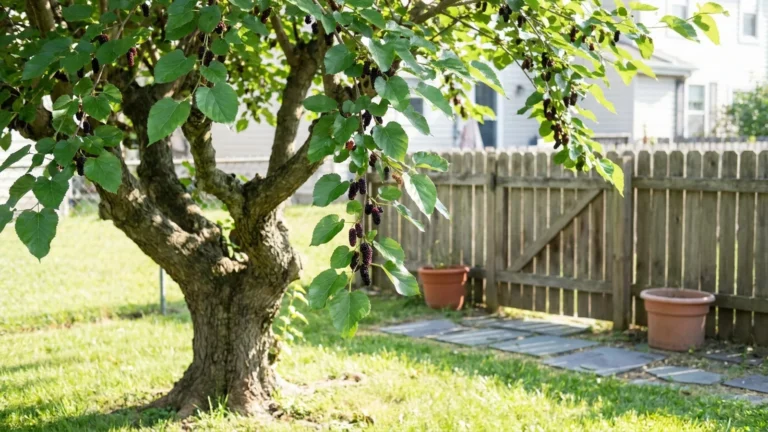
A potted living tree, such as an olive tree, can host a few lightweight ornaments and outdoor lights on a porch. A yard tree works too. Wrapping the trunk of a mulberry tree with weather-rated lights gives a front yard a focal point. Unplug outdoor lights in storms and follow the product label.
How should you store your decorations and when should the tree come down?
Store ornaments in stackable bins with dividers, wrap fragile pieces in tissue and keep the bins cool and dry. Take the tree down early in January, because the NFPA says 35 percent of home fires started by Christmas trees happen that month (2020 to 2024).
Hobby Lobby suggests stackable bins, wrapped fragile items and heavy pieces kept apart from delicate ones. Attics swing too hot and cold, so a cool, dry closet is better. If closet space is tight, a tall pantry cabinet in a climate-steady part of the house can hold small labeled bins between seasons.
A dry tree plus lights is the worst combination, so unplug and remove it once the holiday ends.
Frequently Asked Questions
What are the things used to decorate a Christmas tree called?
They are called ornaments or baubles, plus lights, garland, ribbon, picks, a topper and a tree skirt. Garland wraps around the tree, picks fill gaps, the topper sits on the highest tip, and the skirt or collar hides the stand. Together they make up the full set of christmas tree decorations.
What is trending for Christmas tree decorations?
Retailers such as Balsam Hill are pushing natural luxury, burnished metals and dried citrus. Treat trends as ideas, not rules, since most come from retailers selling a theme. Christmas tree decorations you actually like will age better than a copy of one season’s look.
What is the correct order for decorating a tree?
Lights first, then ribbon or garland, then picks, then ornaments from large to small, and finally the topper and skirt. Lights and ribbon go early so you don’t knock ornaments off while wrapping. Test every light string before it goes on, and fluff the branches before anything else.
How many ornaments should you hang per foot?
Plan on about 11 to 14 per foot for a standard look and 6 to 8 for a sparse one. Designers such as Bria Hammel cite 15 to 20 per foot for a packed look. Adjust to your taste, your ornament sizes and how much of the tree you want visible.
Do you put garland on before or after ornaments?
Put garland and ribbon on before ornaments. Wrapping afterward means you either knock pieces off or leave awkward gaps, and the ribbon ends up on top of the ornaments instead of behind them. Wire-edged ribbon in loose swags is easiest to place and holds its shape.
How much ribbon does a tree need?
A common rule of thumb from Quora answers is 30 to 50 feet of wired ribbon, 2 to 4 inches wide, for a standard tree. Treat that as a starting estimate, since fullness, height and swag style all change it.
Is it bad to have too many ornaments on a tree?
It depends on your style. A packed tree can look rich when the palette is tight, but too many random pieces look cluttered. A good test is whether you can still see the tree’s shape. If not, remove a third of the pieces and step back.
Do you decorate the back of a Christmas tree?
Only if people will see it. For a tree against a wall, put lights on all sides so the glow shows around the edges, then put your best ornaments on the front. The back can take lighter, cheaper filler, and a corner tree needs most of its effort on two faces.
Is a real or artificial tree easier to decorate?
Artificial trees are easier for most people because branches hold their shape and you can fluff them to fit ornaments. Real trees dry out, so keep them watered and away from heat sources. Either way, use the same count per foot and the same order.
Does a matched boxed set always look professional?
No, that is a myth. A matched set gives a consistent palette, but identical pieces often feel flat and showroom-like. Mix in a few textured or sentimental ornaments, vary the sizes and change the ribbon finish. The mix makes a tree look chosen rather than shipped.
Conclusion
The best Christmas tree decorations aren’t the priciest. They’re the ones counted, layered and chosen with a plan. Aim for roughly 11 to 14 ornaments per foot, build from the inside out, and spend first on lights and ribbon. That spotty tree from the start? It needed order and a few picks, not a bigger budget.
My bet is that a tree you add to slowly will end up looking better than one bought in a single weekend. Measure your tree, pick a density from the table, test your lights and set a three-year plan. What would your tree look like if you left a third of it deliberately empty?