Tiny Houses for Sale: What They Really Cost and What to Check First
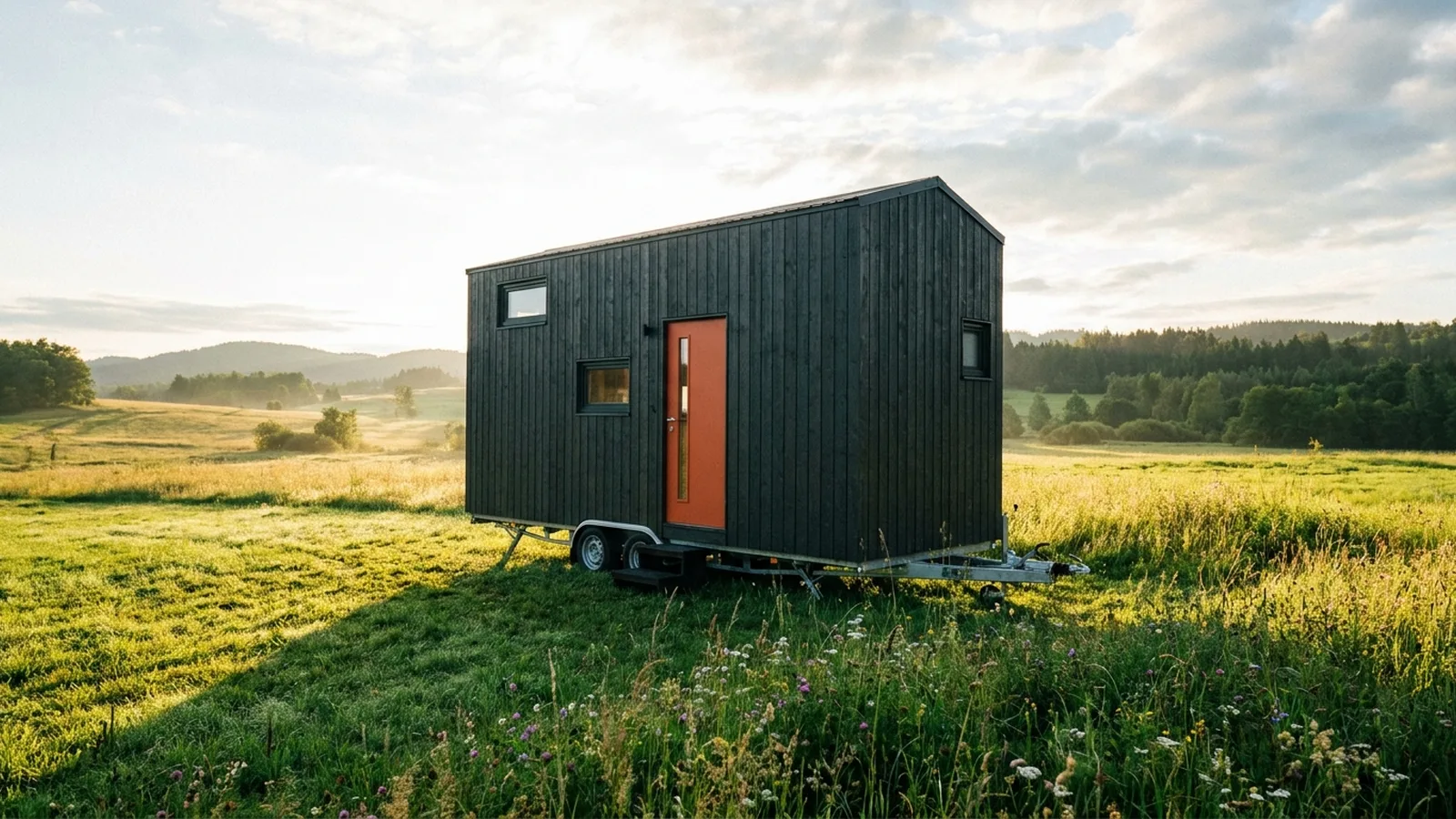
Say you find a gorgeous 24-foot tiny home online for a price that fits your savings. You send a deposit. Three months later you learn the town won’t let you park it, no lender will finance it, and the insurer wants a letter you can’t produce. The house was fine. The paperwork wasn’t.
Browsing tiny houses for sale is fun, but the label on the unit and the legal spot for it decide whether you can actually live there. This is one corner of choosing a home type, right next to classics like the suburban house, and it plays by stranger rules. The plan: buy the paperwork first, then the model.
Executive Summary
You can buy a tiny home for far less than a typical house, but only if you price the whole package. Listings seen in October 2026 ran from about $8,500 for small kit cabins to roughly $235,000 for design-forward models.
Three ideas carry most of the weight when you compare tiny houses for sale. First, a trailer-mounted unit is usually treated as an RV, which shapes loans, insurance and parking. Second, the county or city you want to live in matters more than the state. Third, most owner regret traces back to the builder, the loft or the lack of climate control, not the square footage.
The biggest objection is "won’t I be stuck with something unfinanceable?" Not if you check the label and the land before the model. The sections below show how, plus the questions to put to any seller of tiny houses for sale before you fall for a floor plan, so you can compare listings on facts and not photos.
What counts as tiny houses for sale, and why does the label matter?
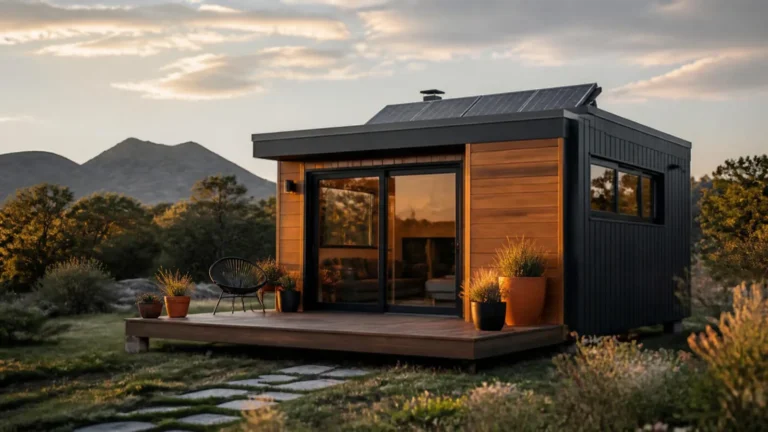
Tiny houses for sale come in several forms: a tiny house on wheels (THOW), a prefab or modular unit, a kit or shell you finish yourself, a park model RV, or a used home. Each form carries a different legal label, and that label controls financing, insurance, parking and whether you can live in it year round.
Listings range from about 140 to over 800 square feet, but a 200 square foot home on a trailer and a 200 square foot cabin on a slab sit in different legal worlds. The trailer unit is typically an RV. The slab cabin is a small house that must meet building rules. Same footprint, different rulebook. As for types, a THOW suits movers and RV parks, a modular or slab cabin suits a permanent lot and a mortgage, and a kit suits handy buyers with time. Pick the type that matches where it will sit.
How much do tiny houses for sale cost in the US?
Sticker prices run from roughly $8,500 for small kit cabins to about $235,000 for premium models, based on listings seen in October 2026. Most finished, move-in-ready tiny homes land well inside that range. Size, materials, insulation, appliances and the builder’s reputation drive the gap. Prices shift constantly, so treat every figure as a snapshot.
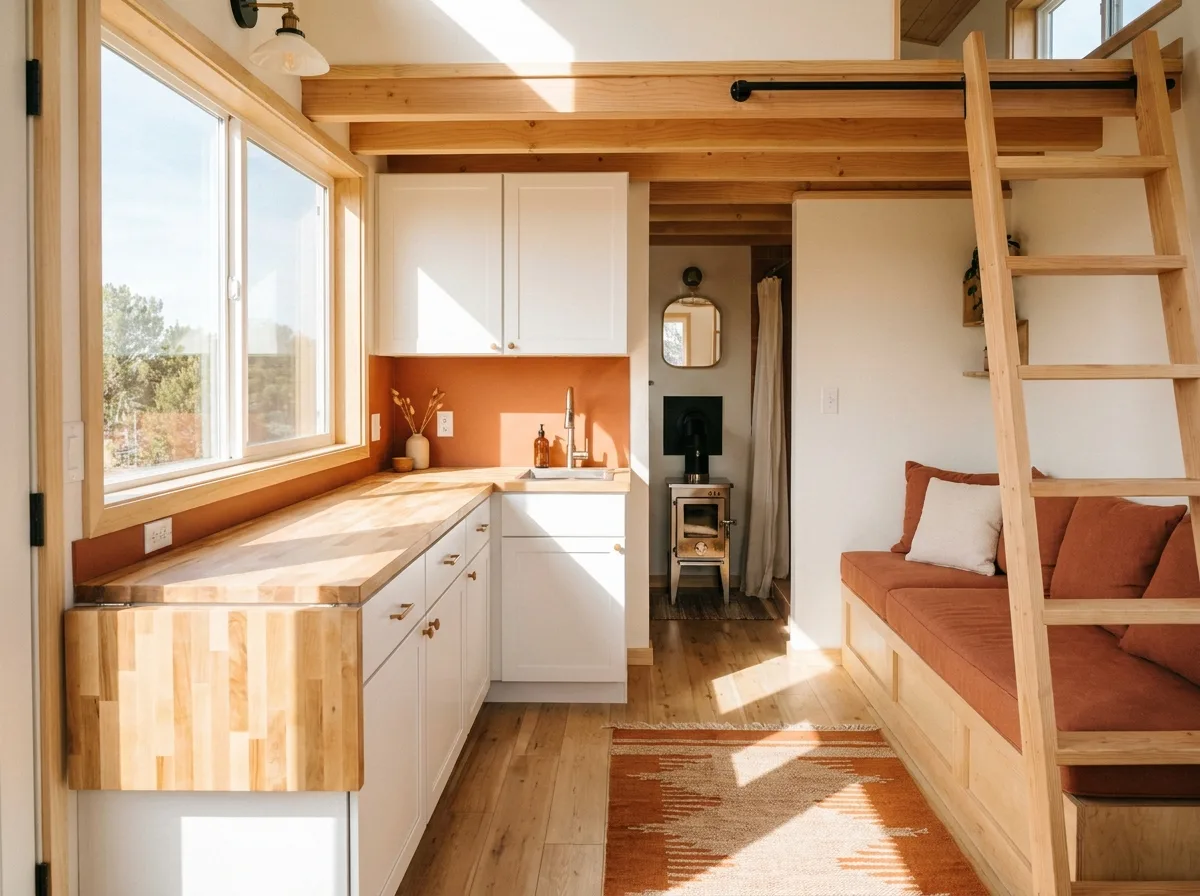
A Texas buyer on Reddit asked why the same search shows $35,000 and $250,000 homes. The pattern in the answers: the low end is usually a basic 8.5 by 20 foot trailer build, and the high end adds better materials, bigger footprints and luxury finishes.
| Type | Typical range in listings | Main price driver |
|---|---|---|
| Kit or shell | Low five figures and below | How much you finish yourself |
| Small cabin or basic THOW | Illustrative: low to mid five figures | Size and finish level |
| Mid-range turnkey | Illustrative: mid five figures to about $100,000 | Insulation, appliances, builder |
| Premium or large model | $100,000 and up, to about $235,000 | Custom design, off-grid systems |
One more opinion: a tiny house priced per square foot is rarely cheap. Smaller floor area still holds a full kitchen and bath, which are the expensive parts. And a $100,000 tiny home is a legitimate choice, not a status flex.
What is the real cost beyond the sticker price?
The landed cost is the sticker price plus delivery, installation, land or lot rent, utility hookups, permits and insurance. Those add-ons can turn a bargain into an average purchase. Ask every seller whether delivery and setup are included, because the answer is often no.
Take a hypothetical buyer who finds one of the tiny houses for sale at $65,000. Delivery, a gravel pad, water and power hookups, a septic or hauling plan, a permit and insurance can add a meaningful slice on top, depending on distance, soil and local fees.
Land is the biggest swing. Buying a lot, leasing space in a tiny house village, or parking in an RV park are three very different budgets. Cheap western land often means hauling water or drilling a well.
What do RVIA, IRC Appendix Q and HUD labels mean for buyers?
The label tells lenders, insurers and inspectors what your home is. RVIA certification (and similar industry standards) means a trailer-mounted unit is built as an RV. IRC Appendix Q covers permanent dwellings of 400 square feet or less. A HUD code home is a manufactured house. Unlabeled homes can be hard to finance and insure.
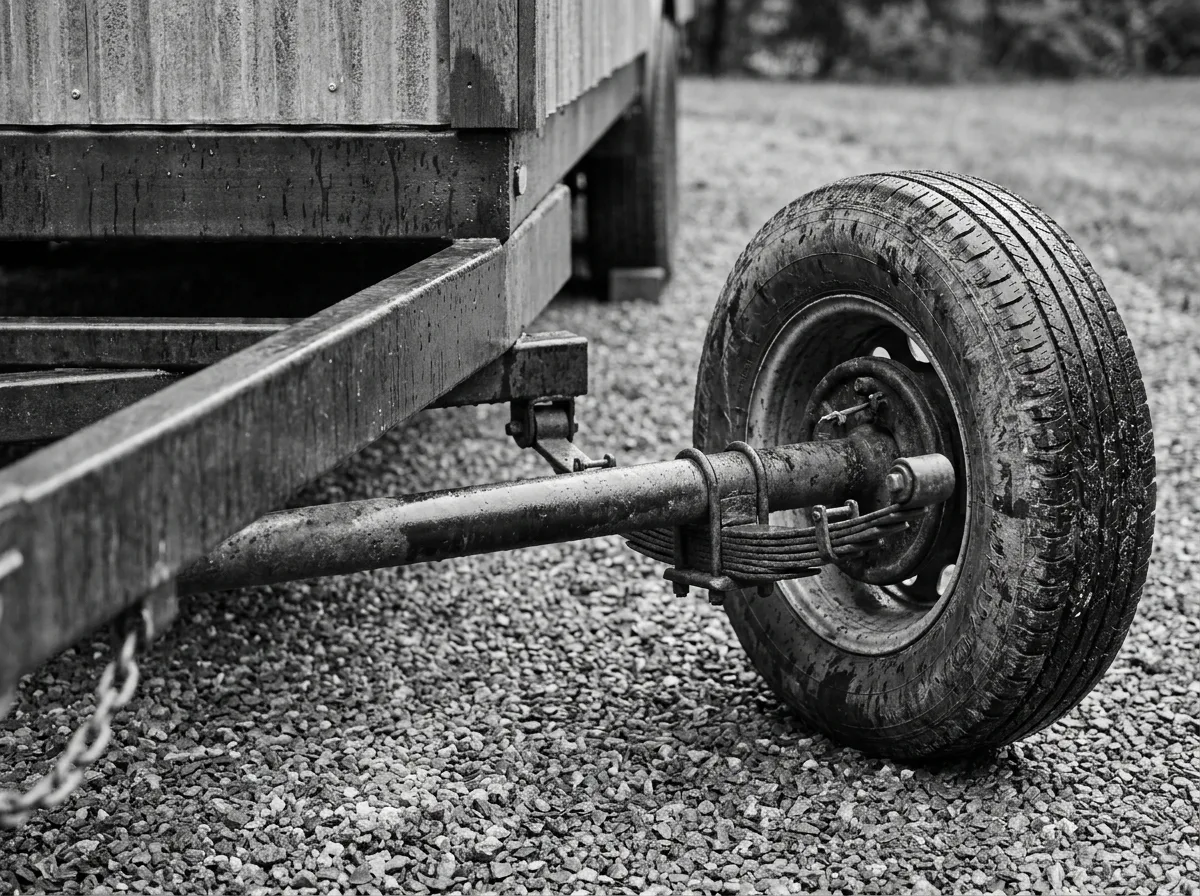
According to the ICC Building Safety Journal, Appendix Q applies to dwellings of 400 square feet or less and does not cover trailer-mounted units. It also only counts where a local government has adopted it, which is why the same house can be fine in one county and illegal in the next.
Tumbleweed, a builder, says RVIA certification widens access to lenders, insurers and RV parks. Verify that with your own lender. Zoning still applies.
Where is it legal to place and live in a tiny house?
Legality is decided at the county, city and HOA level, not by the state. Zoning, minimum square footage and permit rules vary block by block. Before you buy, call the local planning office, ask in writing whether you can live in this exact type of unit on this exact parcel, and keep the reply.
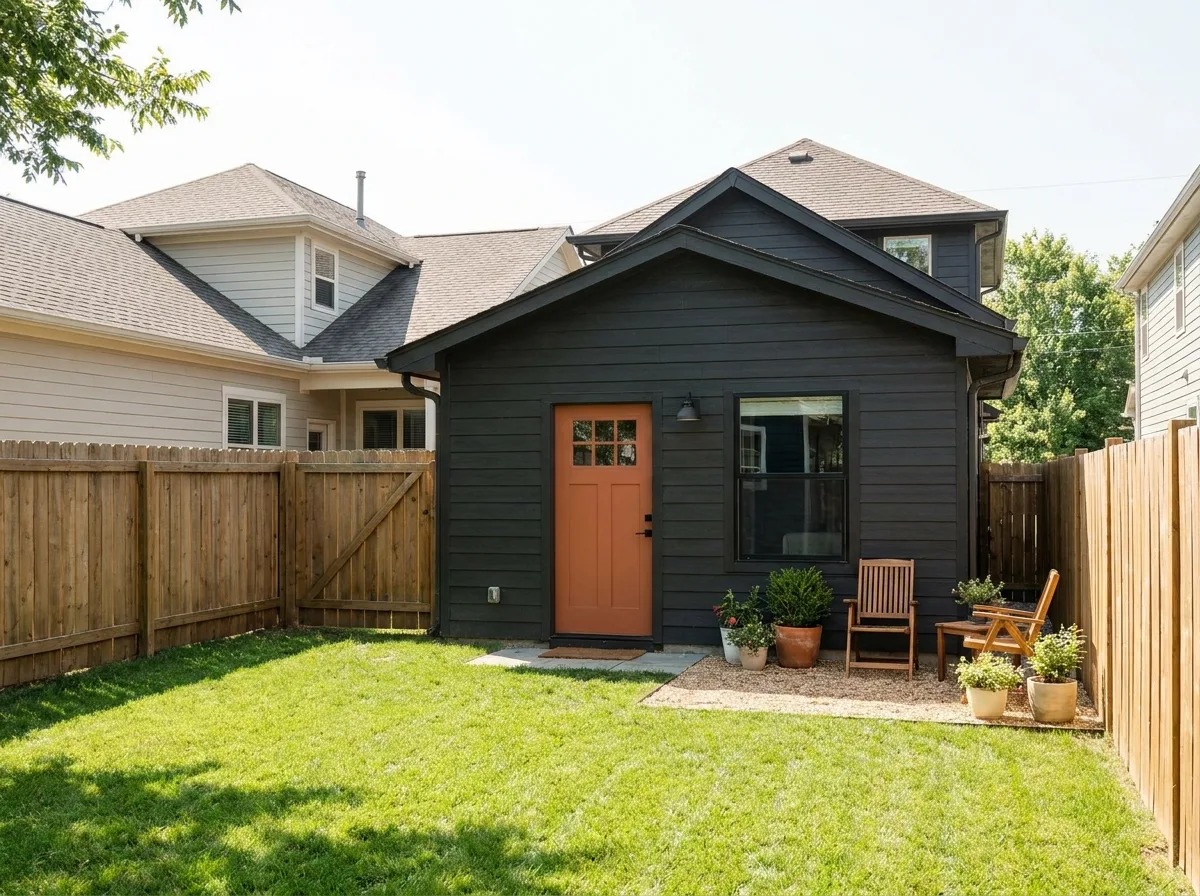
"It’s a headache" was the top theme in one popular Reddit thread, and it’s accurate. Commenters called Tennessee and Arizona relaxed, but the real advice was to check the county. Some places set a minimum dwelling size that rules out tiny homes.
Ask four questions: is a trailer-mounted home allowed as a primary residence, what is the minimum size, do I need a permit or foundation, and does an HOA override it? A backyard unit may qualify as an ADU (accessory dwelling unit) where the town allows it. Codes vary, so confirm locally. Water, septic, gas and electrical hookups and structural work need a licensed pro and permits.
Where do you find tiny houses for sale, new or used?
Start with builder websites, tiny house listing marketplaces, Facebook Marketplace and regional dealers. New builds come straight from builders, while used homes appear on marketplaces and community groups. Whichever route you pick, inspect the home in person, or hire a local inspector to do it, before you pay anything.
Marketplaces like Tiny House Listings filter by state and price. Builders such as Tumbleweed show models with sizes and certification status. Kaldees sells kits and cabins at the lowest price points. Round-ups like Homedit’s and Trulia’s help with ideas but go stale quickly.
Used tiny houses for sale deserve a real look. A used unit can save money, since owners often report that tiny homes lose value more like an RV than like land. Check for water damage, trailer axle ratings, tongue weight and original certification paperwork.
How do you finance a tiny house?
Financing depends on the label. A certified RV-style unit may qualify for an RV loan, a foundation home may qualify for a conventional mortgage, and many buyers use a personal loan or builder financing. Lenders vary widely, so get quotes from several before choosing, and never assume a mortgage is available.
Rates and terms shift with credit and the lender, so I won’t quote numbers here. Certified units are the easiest to finance because lenders can see a standard. Unlabeled or DIY units often push you toward personal loans, which usually cost more per month. Ask the lender which documents it needs, such as certification paperwork and proof of a legal parking spot.
How do you spot red flags and scams?
Watch for requests for large deposits with no written contract, builders who can’t show finished homes or certification paperwork, prices that look too good to be true, and overseas kits sold without a local distributor. If you can’t verify both the seller and the paperwork, walk away from the deal.
Remember the "$18,000 Tesla tiny house"? It’s not real, and our look at the Tesla tiny house idea explains what the viral claims get wrong. Overseas panel homes like Heshi House draw similar caution. One industry commenter called them "a crapshoot" and advised buying only through a reputable local distributor. Import tax and shipping shrink the bargain.
Builders are the other risk, and a recurring regret in homeowner threads was the builder, not the home. Ask for references, visit a finished unit and read the deposit clause.
What do owners regret, and what would they change?
Common regrets are skipping climate control, picking a loft bedroom, underestimating clutter and choosing the wrong builder. Many owners say they wish they had planned heating, cooling and storage first, and chosen a main-floor bedroom they can still reach comfortably as they age. Plan for the long term, not only the first year.
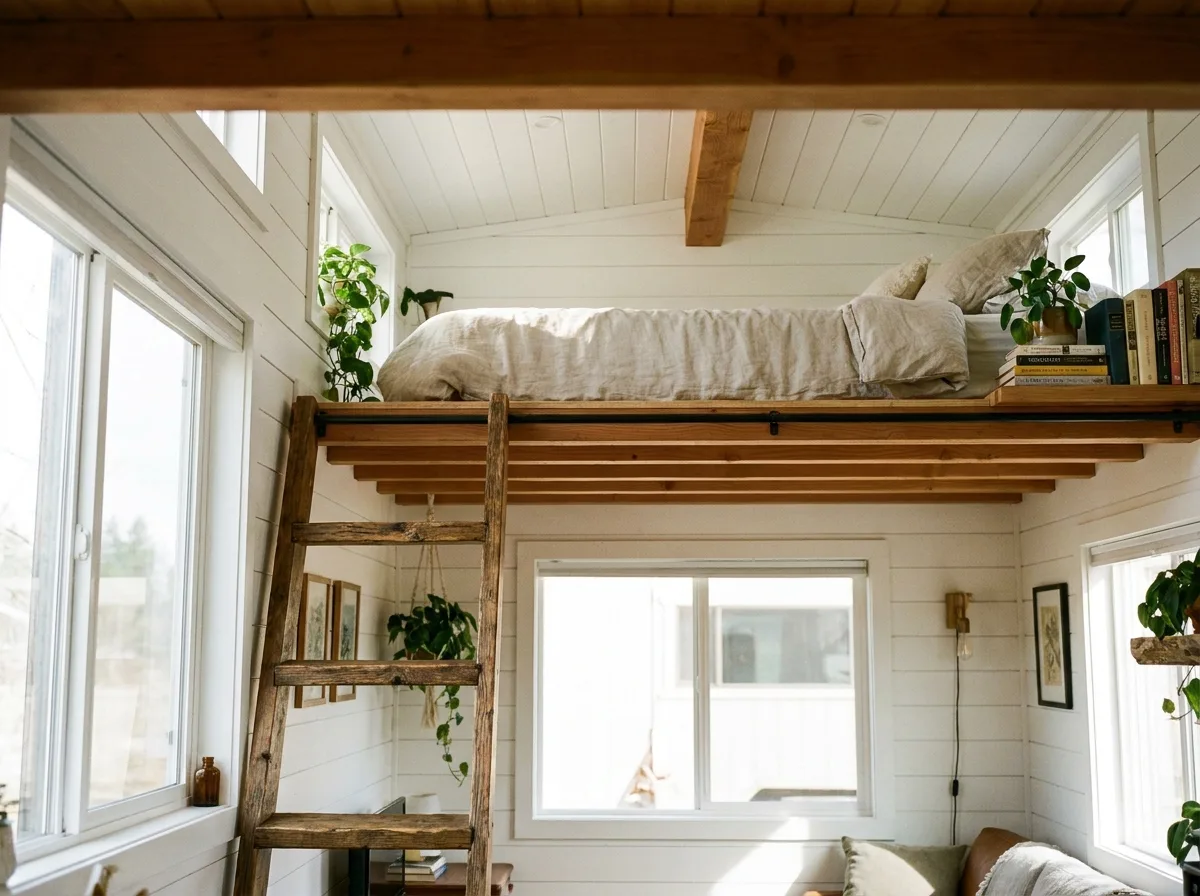
Take a solar-only home of about 76 square feet with no climate control. Summer and winter become the main events. A mini-split heat pump or good insulation, such as spray foam in cold climates, would have solved most of it. Then there is the loft bedroom: great at 30, a narrow ladder at 60.
Clutter hurts too, since one stray bag is visible from everywhere.
Your checklist before paying a deposit on tiny houses for sale
Before you pay for any of the tiny houses for sale on your shortlist, confirm six things in writing: the legal spot, the certification label, the full landed cost, the financing path, the builder’s track record and the delivery timeline. If any one of the six is still unclear, pause the purchase and keep asking.
- Call the local planning office about your parcel and unit type.
- Ask for the certification (RVIA, Appendix Q or HUD) on paper.
- Add delivery, setup, hookups, permits and insurance to the price.
- Get two or three financing quotes.
- Visit a finished home from the same builder.
- Read the deposit and timeline clauses before signing.
Frequently Asked Questions
Are tiny houses cheaper than regular homes?
Usually yes in total price, but not always per square foot. A tiny home has a full kitchen and bath packed into a small footprint, so cost per foot can exceed a standard house. Add land, delivery and hookups to compare fairly. Our guide to the suburban house shows what a conventional home involves.
Can I get a mortgage for a tiny house?
Sometimes. A home on a permanent foundation that meets local building rules has the best chance at a mortgage. Trailer-mounted units are often financed with RV or personal loans instead. Talk to several lenders and ask which paperwork they need before you commit to a unit.
Can I park a tiny house on a friend’s land?
Maybe, depending on the county and city. Many places treat a trailer unit as a camper, which can’t be lived in full time on private land. Others allow it as an ADU or with a permit. Call the planning office and get the answer in writing before moving anything.
Do tiny houses need a foundation?
It depends on the type. A trailer-mounted RV-style unit rides on its wheels, but a house meant to be permanent often needs a foundation to satisfy code and lenders. Claims that a unit "needs no foundation" appear in marketing, so check local rules and the certification label before relying on them.
Is the Tesla tiny house real?
No, the "$18,000 Tesla tiny house" is a myth that spread online, and no such product is sold at that price. If you’re curious how the idea spread and what real alternatives exist, our piece on the Tesla tiny house breaks it down. Real builds cost far more, so be wary of any ad with a price that low.
How long does a tiny house build take?
It varies by builder and queue. Some builders keep stock units for quick delivery, while custom builds can take many months. Ask for a written timeline and ask what happens if it slips. Don’t end a lease or list your current home until the delivery date is firm in writing.
Do tiny houses hold their value?
Often less than land or a conventional house. Owners often report that a trailer-mounted unit depreciates more like an RV, while a well-built home on owned land may hold value better, though results vary. Condition, certification, climate and location all matter. Treat resale as a bonus, not a plan.
What sizes are typical?
Tiny houses for sale commonly span about 140 square feet up to more than 800. A trailer-based home is usually limited to a road-legal width of 8.5 feet, which is why many are narrow and long. Park models and cabins can go wider. Pick the size for how you actually live, not for the photos.
Can I live in one full time in an RV park?
Sometimes. Many RV parks accept certified units, which is why RVIA matters, but stay limits and rules vary. Some parks cap long-term stays or require the unit to be a certain age. Read the park’s written policy and ask whether year-round occupancy is allowed before you move anything onto the lot.
Which states are friendliest to tiny houses?
Reddit commenters often cite Tennessee and Arizona as relaxed, and the ICC journal names Maine, New Mexico, Oregon, Georgia and Idaho among places that adopted Appendix Q. But the county decides, so a friendly state doesn’t guarantee a friendly parcel. Check locally before you buy.
Conclusion
Shopping for tiny houses for sale feels like chasing a dream, but the smart move is to treat it like buying a vehicle and a lot at once. Pick the legal spot and the label first, add up the landed cost, then choose the model that fits those limits. Do that and the opening story, where a lovely home became a parking problem, never happens to you.
Your next step: call your county planning office this week and ask what they allow.
Which will you check first, the land or the label?