Tesla Tiny House: What Is Real and What You Can Buy
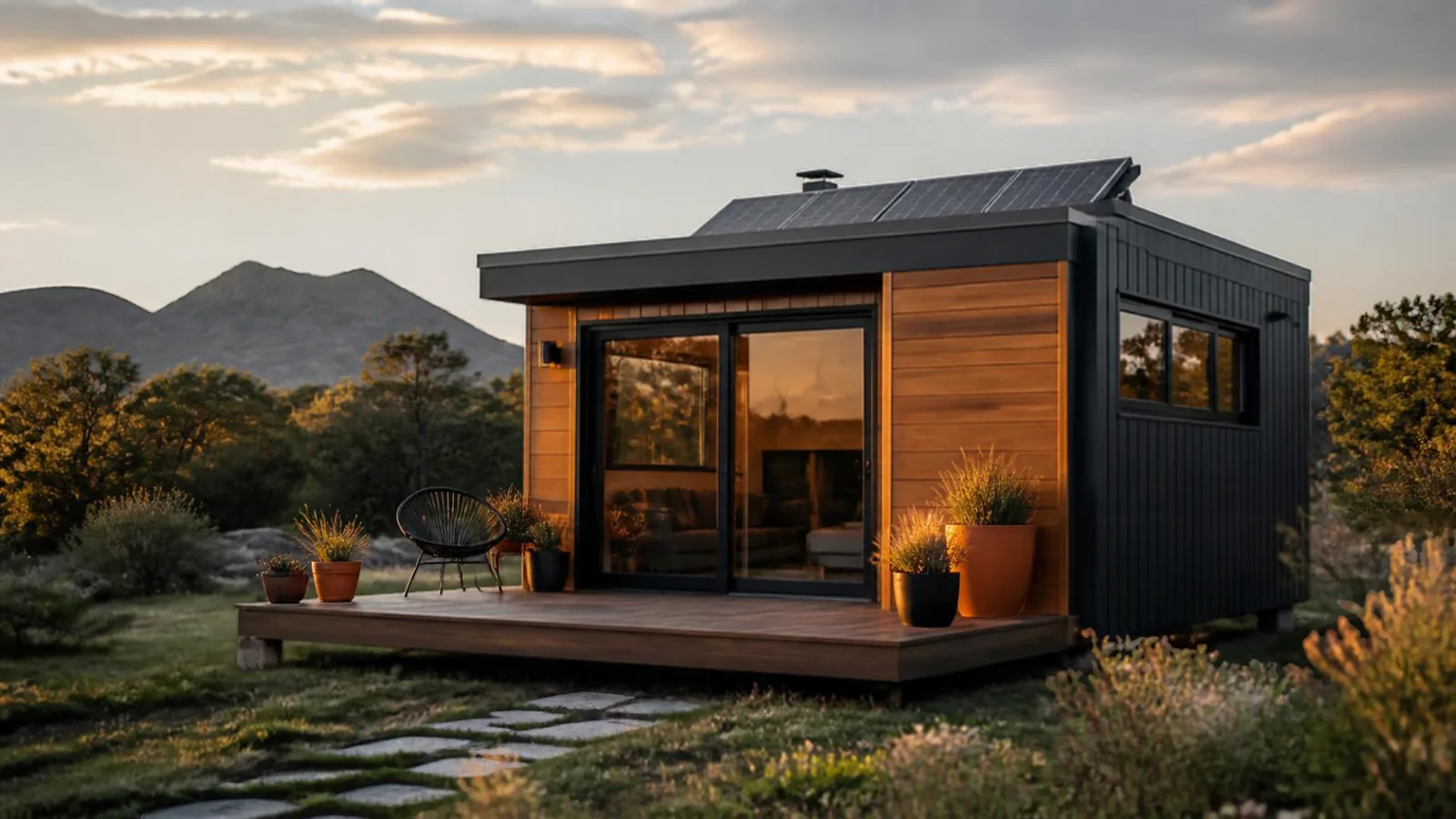
Tesla sells no homes, so a Tesla tiny house for $7,999 does not exist. The real near-match, a Boxabl Casita, is listed at $60,000 for the bare unit. The viral posts pushing the low price are built to collect clicks and sometimes money.
That does not mean your interest is wasted. People want small, efficient, solar-powered homes, and several real companies sell versions of that. This guide separates fact from fiction, shows what the real near-matches cost, and explains how to buy a small home without getting burned.
The short version
- Tesla does not sell homes or tiny houses. The viral prices of $7,999, $12,000 and $18,000 trace back to AI-made videos and ads.
- The only "Tesla Tiny House" was a 2017 promotional model that was never offered for sale.
- Real options exist, from the Boxabl Casita to tiny houses on wheels, ADUs and shed conversions. Land, permits and utilities add real cost to all of them.
Is there really a Tesla tiny house?
No. Tesla Inc. does not make or sell a tiny house, a prefab home or a housing kit. PolitiFact rated the claim of a low-cost Elon Musk house as False in November 2024 and noted that Tesla’s own website lists only solar panels, the Solar Roof and home battery products, not homes.
If you saw an ad with a countdown timer, a "limited batch" or a link to a form asking for a deposit, treat it as a scam until proven otherwise. Real home manufacturers publish specs, floor plans, addresses and terms. These ads publish a price and a feeling.
Tesla tiny house real or fake: a quick test
When you want to know whether a Tesla tiny house real or fake claim holds up, run three checks. First, look for the product on tesla.com. Second, look for a news report from an established outlet, not a repost of the same video. Third, ask where the factory is, who holds the permits and who is the legal seller. Most hoaxes fail at least two of the three.
Where did the $7,999 Tesla tiny house come from?
It came from social media, mostly Facebook and YouTube, in waves that keep returning with new prices. The numbers you may have seen, such as $7,999, $12,000 or $18,000, change from post to post. A fixed, real product would not have a price that moves every few weeks.
Reddit threads show how the confusion plays out. In r/FirstTimeHomeBuyer, a user asked where to buy the $18,000 version, and the top reply said Tesla does not make housing and that scammers post fake ads of Musk with a Tesla house. In r/tinyhomes, a reply to a request for details said there is no such thing on the market and called the videos AI clickbait. Another poster hoped to order one for their own land. That is exactly the person these ads target.
The pattern is simple. A bold price grabs attention, a famous name lends trust, and a "free land" line removes the biggest obstacle for most buyers. Each piece is there to get you to click or pay.
What was the 2017 Tesla Tiny House?
It was a one-off promotional model. According to PolitiFact, the 2017 "Tesla Tiny House" was a showcase built to promote Tesla solar and battery products. A Tesla vehicle towed it around as a marketing exhibit, and it was never put up for sale.
That kernel of truth is why the rumor will not die. A real tiny house with the Tesla name existed once, so a fake ad has something to point to. But a demo unit that shows off solar panels is a long way from a $7,999 home you can order. Think of it as a trade show booth on wheels.
How can you tell the videos and ads are AI-generated?
Look for the signs of mass production. Researcher analysis of the spam, published by Conspirador Norteno in August 2025, described AI-generated images and voiceovers, and content-farm pages that repeat the same claim with no actual product behind it.
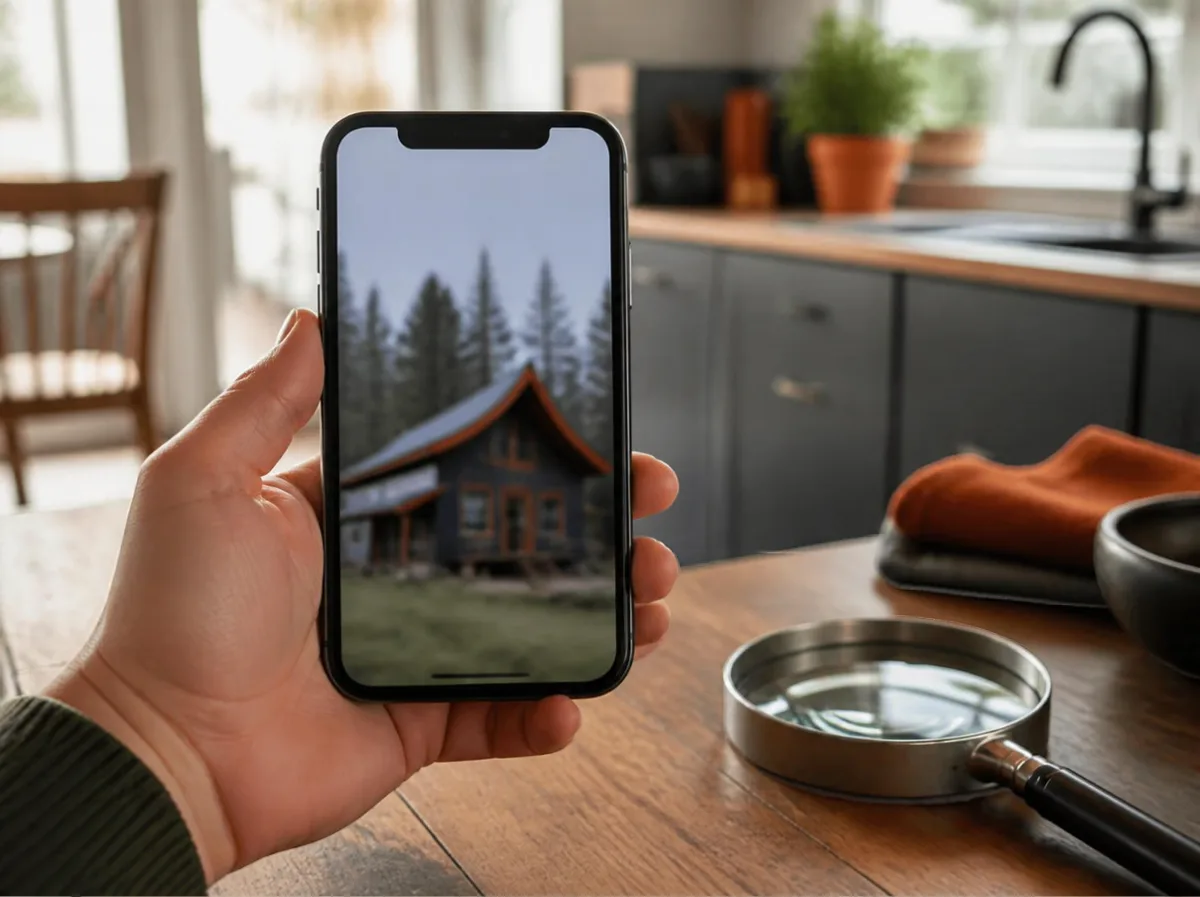
Here are the usual tells:
- Glossy images that change between frames. Windows, doors and rooflines shift when the camera moves.
- Narration with no names. The voice says "they" but never names an address, a founder or a legal entity.
- No order page on a known domain. The link leads to a form or a payment request instead of a product listing.
- A flat, generic voiceover. Researchers describe AI-generated voices reading the same script over stock-looking footage.
News sites sometimes repeat the rumor too. One small outlet in late 2025 reported mass production as fact, sourcing it to a YouTube channel. That claim is contradicted by Tesla’s own website. A repeated claim is not a verified one.
Does Elon Musk really live in a tiny house?
Musk has been reported to use a small prefab unit as a guest house on his property in Texas, but it is not a Tesla product. Business Insider reported that the unit is a Boxabl Casita and that rumors of a Tesla tiny home "don’t have much merit."
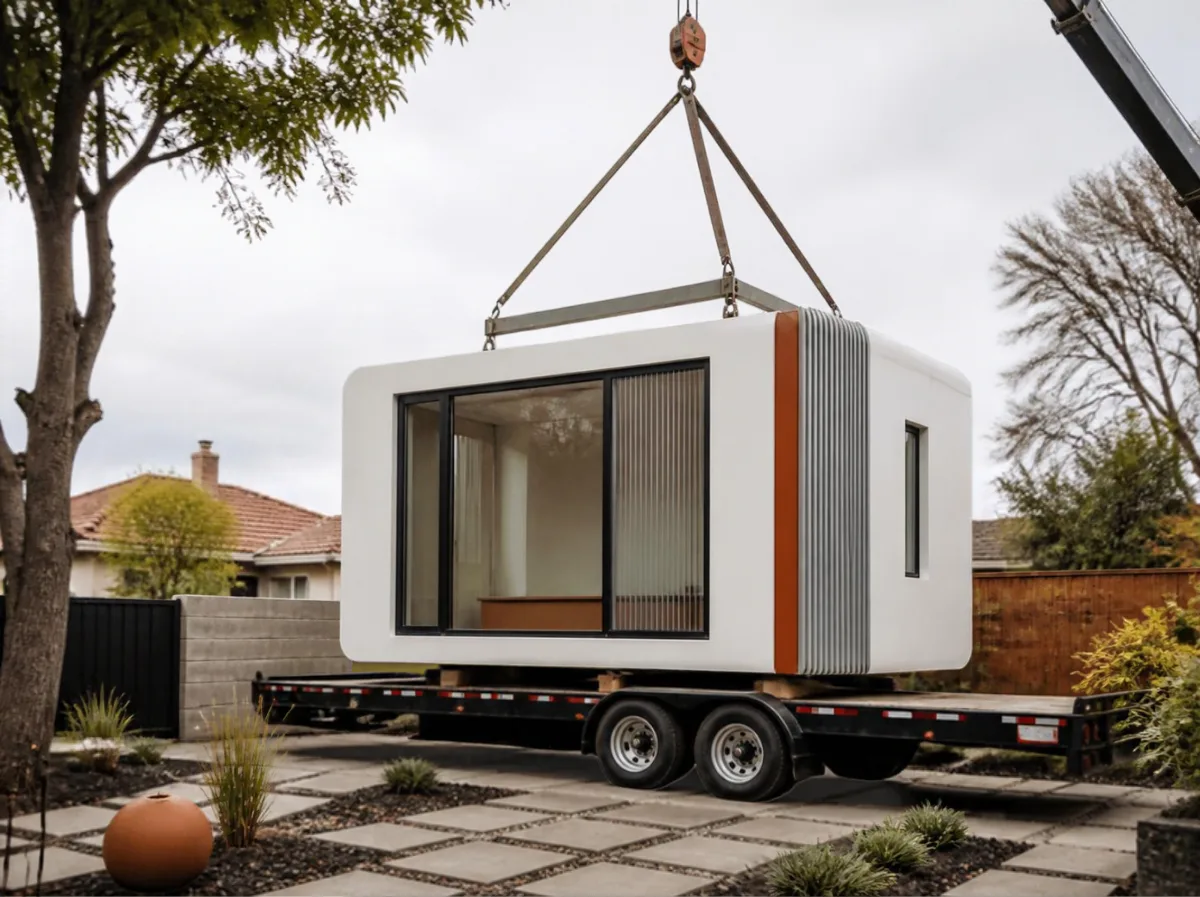
So the real story behind the rumor is a different company’s product. Boxabl makes a folding studio that ships on a trailer. The Casita folds from about 20 feet down to about 8.5 feet wide for transport, then unfolds on site. That is a clever design, and it may explain why photos of it get recycled in fake Tesla ads.
What does the Boxabl Casita really cost?
The Boxabl Casita Studio is the closest real product to what the hoax videos describe. As listed on the company’s own Casita Studio page on October 7, 2026, it is a 361 square foot unit measuring 19 feet by 19 feet, with a 9 foot 6 inch ceiling and one bathroom.
Boxabl Casita cost: unit price versus turnkey
The Boxabl Casita cost depends on what you count. The company page listed the unit alone at $60,000 and a turnkey package from $150,000. According to Boxabl, turnkey includes permits, site work, shipping and installation. Those prices change, so check the current page before you plan around them. The gap between the two is the real lesson. The box is not the house. On the unit-only price, delivery, a foundation, utility hookups, permits and finishing work are extra.
Here is how the two numbers compare:
| Item | What it covers | Listed price (Oct 7, 2026) |
|---|---|---|
| Casita unit only | The folding unit itself. Extras apply on top | $60,000 |
| Casita turnkey | Per Boxabl, includes permits, site work, shipping and installation | From $150,000 |
Both are far from $7,999. If a post claims a home of this kind for the price of a used car, the math fails on its face. I’d also treat any lead time promised by a reseller with caution. Ask for a written contract and confirm directly with the manufacturer.
What does a tiny home cost once land, foundation and utilities are added?
Plan for the unit to be only one slice of the total. A typical small-home budget has several layers, and the price in the ad usually covers just the first.
- The home itself. A unit, a shell or a finished tiny house on wheels.
- Delivery and set-up. Hauling, a crane or a pad for placement, and a licensed installer where required.
- Land. Buying it, leasing it or placing the home in a backyard you already own.
- Foundation or pad. Gravel, piers or a slab, depending on the home and local rules.
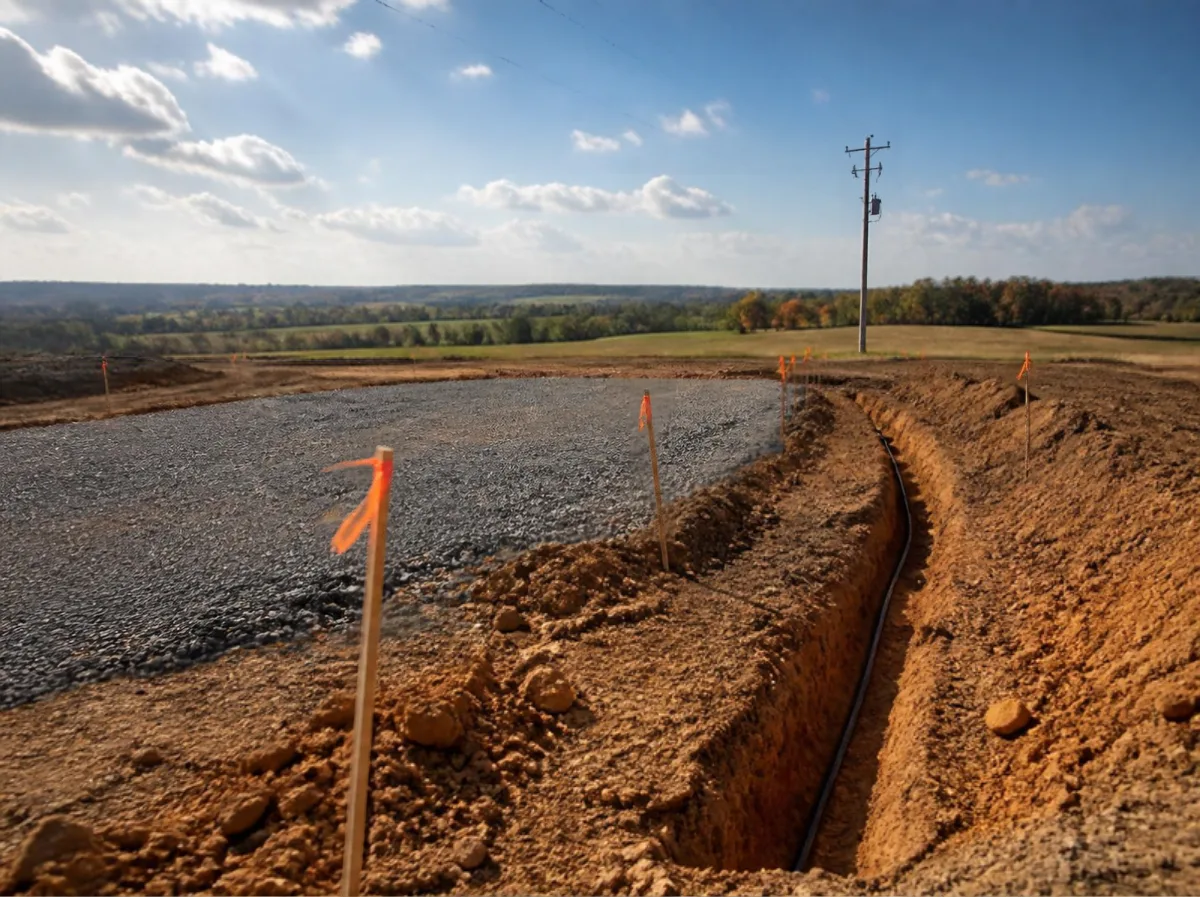
- Utilities. Water, sewer or septic, and electrical service. Running these to a rural lot can add a large share of the total, depending on distance from existing lines.
- Permits and inspections. Fees and required plans vary by jurisdiction.
- Finishing. Steps, skirting, decks, appliances and anything the package leaves out.
Costs in layers 2 to 5 vary widely by region, soil, distance from existing lines and local labor rates. I won’t hand you one number, because any single figure would mislead. Instead, ask each seller to put every layer in writing, and get two local quotes for site work before you commit.
Picture a unit that lands on an empty lot with no water or power. The buyer then needs a well or a connection, septic or a sewer tie-in, electrical service and a foundation. The "cheap" home becomes a full construction project.
Which real tiny house and prefab styles are worth considering?
If the Tesla look appeals to you, which is modern, minimal and power-smart, there are real styles that deliver it. The table below compares the main ones. The costs are described by what drives them, since prices vary by builder, region and finish level.
| Style | Typical size | What drives cost | Best for | Main limit |
|---|---|---|---|---|
| Tiny house on wheels | Small, built to be towed | Build quality, insulation, appliances, whether you buy new or used | Flexibility, short-term moves | Zoning often treats it like an RV |
| Prefab studio (such as the Boxabl Casita) | A few hundred square feet | Unit vs. turnkey, delivery, site work | A guest house or backyard unit | Needs a permanent site and approvals |
| ADU (accessory dwelling unit) | Varies by local rules | Site work, utilities, design, permits | Housing for family or rental income | Rules differ sharply by city and state |
| Shed or kit conversion | Small to mid-sized | Shell price plus the cost of insulation, wiring and plumbing | DIY builders with time | Permit and code upgrades can be heavy |
| Manufactured (HUD-code) home | Larger than tiny houses | Size, features, transport, set-up | A full-time home | Must be placed where zoning allows it |
A shed conversion is cheap to start and expensive to finish, so price the electrical, insulation and plumbing before you buy the shell. Pick the style by where you’ll put it, not by how it looks in photos. A unit you can’t legally place is a very expensive lawn ornament.
Can a tiny house really run on solar and a Powerwall?
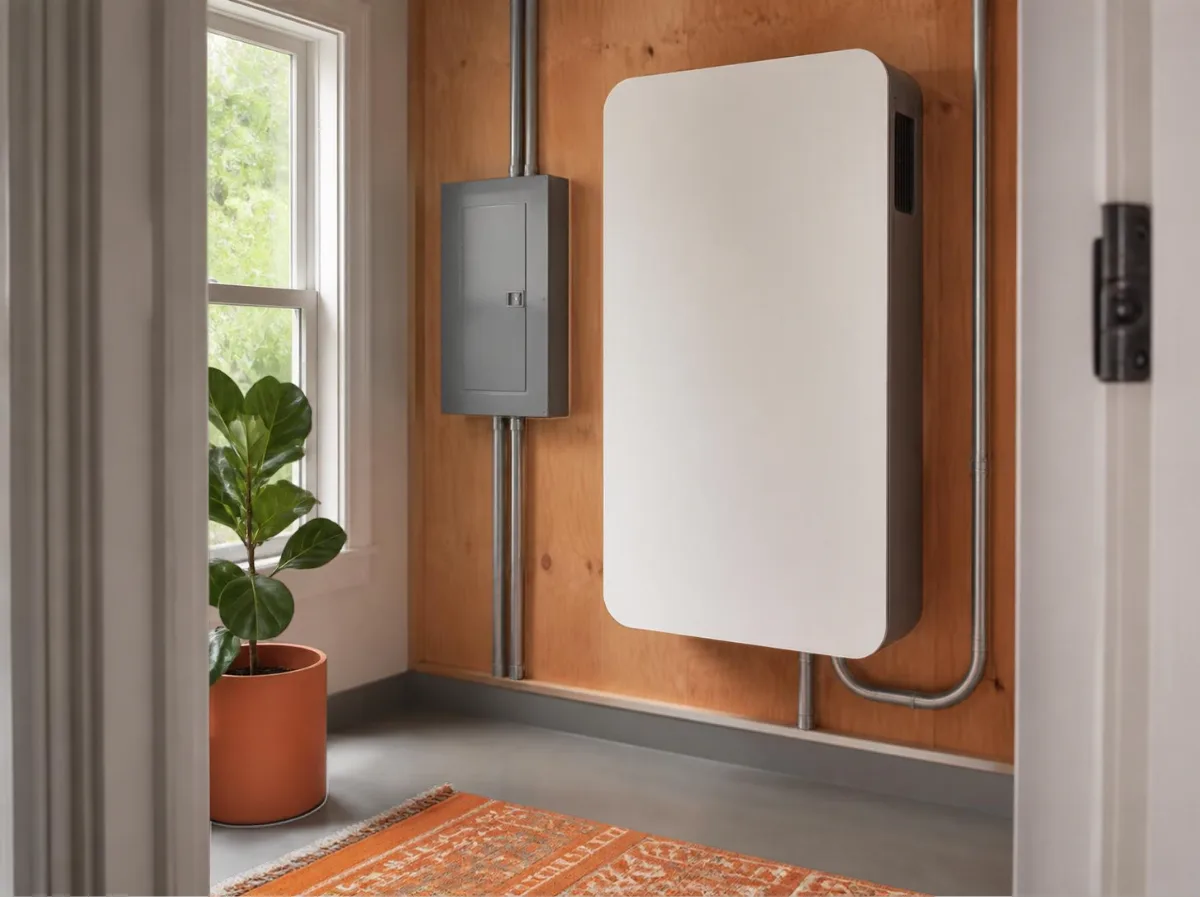
Yes, in many cases, and this is the one piece of the Tesla story that holds up. Tesla does sell solar products and the Powerwall battery. Here the tiny house with solar and Powerwall idea is real, as long as you size it to the home.
Tiny house with solar and Powerwall: what the specs say
According to Tesla’s Powerwall page, the Powerwall 3 stores 13.5 kWh and delivers 11.5 kW of continuous power, with a 10-year warranty. It weighs 287 pounds and measures 43.5 by 24 by 7.6 inches, so it needs a solid wall and clear space.
For a very small, efficient home, a battery that size can carry essential loads for a good stretch. But a heat pump, an electric water heater and a cooktop running at once can use a lot. Battery life depends on your climate, insulation and habits.
To size a system, list every appliance and its running watts, estimate daily use in kilowatt-hours, then match that to the panels your roof can hold. A very small roof may not fit enough panels, which is a common trap in tiny homes.
Hire a licensed electrician and a qualified solar installer for the real design. Tying a battery and solar into a home is not a DIY job, codes and utility rules vary, and most places require permits and an inspection.
Are tiny houses legal where you live?
It depends on your city, county and state, so check before you buy. Zoning decides whether you can put a tiny home on a lot. Building codes decide how it must be built. And the two don’t always agree.
One reference point is Appendix Q of the 2018 International Residential Code, which covers tiny houses. It sets a minimum ceiling height of 6 feet 8 inches in habitable space and allows lower ceilings in lofts. But Appendix Q applies only where a jurisdiction has adopted it. Many places haven’t.
A tiny house on wheels is often classed as a recreational vehicle, which can limit where you may live in it. An ADU follows local ADU rules, which differ a lot. A foundation-built tiny house is usually reviewed as a regular dwelling and may face minimum size rules.
So before you pay anyone, call the local building and planning department. Ask four things:
- Is a dwelling this size allowed on my lot?
- Which code applies, and is Appendix Q adopted?
- What are the utility, septic or sewer rules?
- Do I need a licensed contractor or engineer?
Rules change, and staff can tell you what’s current. Their answer beats any video.
What should you do if you already paid a Tesla tiny house seller?
Act fast and keep records. The FTC’s guidance on what to do if you were scammed says that if you paid by credit card, you should report the fraud to your card issuer right away and ask to reverse the charge. The same page covers other payment methods, so check which one you used.
Here’s a short plan:
- Contact your card issuer or bank and report the charge as fraud.
- Save everything. Screenshots of the ad, the receipt, messages and the seller’s page.
- Report it to the FTC at ReportFraud.ftc.gov and to the platform that showed the ad.
- Be wary of "recovery" offers. Anyone who promises to get your money back for a fee may be running a second scam.
Payments sent by wire, gift card or cryptocurrency can be much harder to reverse, which is one reason scammers ask for them.
How do you vet any prefab or tiny house builder before paying a deposit?
Treat a deposit like a loan to a stranger. Before you send money, make sure the company can answer every item on this checklist:
- A real business address and a registered legal name you can look up with your state.
- A written contract that states the price, what’s included, the delivery window and the refund terms.
- Proof of the right licenses, and insurance if they do site work.
- Floor plans and specs that match what the ad shows.
- References you can contact, and reviews on sites the seller doesn’t control.
- A way to pay that gives you protection, such as a credit card.
- A step-by-step payment schedule tied to real milestones, not one large upfront payment.
A common mistake is paying a large deposit to lock in a "limited run" price. If the product is real, it will still be real next week. Take time to call the local building department, too, since a builder who skips permit talk is a red flag.
Bottom line: what should you do next?
The appeal underneath the hoax is real. Small, efficient, solar-ready homes are available from legitimate sellers, as long as you budget for land, utilities and permits.
Your next step is simple. Call your local planning department to learn what’s allowed on your lot, then request written, itemized quotes from two or three real builders. If solar is a priority, bring in a licensed electrician early. Which matters more to you, mobility or a permanent foundation?
Tesla Tiny House FAQ
Does Tesla sell a tiny house?
No. Tesla’s website lists solar and battery products, not homes. See Is there really a Tesla tiny house? for the details.
Is the $7,999 Tesla tiny house real?
No. The figure comes from viral videos and ads, and no factory, order page or legal seller backs it. See Where did the $7,999 Tesla tiny house come from? If you see an offer with a deposit button, don’t pay it.
Where can I buy the $18,000 Tesla tiny house?
You can’t, because it doesn’t exist. Reddit users who asked this same question got the same answer. If you want a small home in a similar spirit, look at real options like a tiny house on wheels, an ADU kit or a prefab studio, and price in land and utilities.
Is Elon Musk’s tiny house a Tesla?
No. Boxabl is a separate company, and the full story is in Does Elon Musk really live in a tiny house?
How much does a Boxabl Casita cost?
The unit alone was listed at $60,000 and turnkey from $150,000 on the company’s Casita Studio page on October 7, 2026. Confirm both on the manufacturer’s site, since prices change. The gap is what turnkey adds: permits, site work, shipping and installation.
Can a tiny house run entirely on Tesla solar and Powerwall?
Often it can, if the home is efficient and the system is sized correctly. Powerwall 3 stores 13.5 kWh and supplies 11.5 kW continuous power, according to Tesla. Heavy loads like electric heating or a cooktop can drain it quickly. A licensed electrician and solar installer should design and permit the system, since codes and utility rules vary.
Is tesla.properties or a Tesla house kit connected to Tesla?
Nothing shows that either one is. Tesla.properties appears to be an unrelated developer, and a retreat-style house kit using the Tesla name has no confirmed link to Tesla Inc. A shared name is not proof of a shared company. Check who the legal seller is before you trust any listing, and look for confirmation on tesla.com.
Are tiny houses legal in every state?
No. Legality depends on local zoning and building codes. Appendix Q of the 2018 IRC sets tiny house standards, including a minimum ceiling height of 6 feet 8 inches in habitable space, but it only applies where a jurisdiction adopts it. Call your local building department before buying anything, because rules differ by city and county.
How do I report a fake Tesla house ad?
Report it to the platform where you saw it, using its ad or scam reporting tool. You can also file a report with the FTC at ReportFraud.ftc.gov. If you already paid, contact your card issuer or bank first and keep screenshots, receipts and messages as evidence.
What can I really buy for under $50,000?
That depends on what you mean by "buy." A used tiny house on wheels, a shed shell you finish yourself, or a small kit may fit in some markets. A finished prefab studio, such as the Boxabl Casita, is listed well above that. Remember that land, utilities and permits come on top, and local rules decide whether you can live in it at all.