
Best Laundry Detergent (Picks by Water, Washer and Skin)
In Consumer Reports testing, the lowest-scoring liquid cost 38 cents a load, while its Best Value pick, Kirkland Signature, cost 14 cents and ranked among the top five. That gap is why the best laundry detergent is rarely the one with the loudest label. It is the one that fits your water, your washer, your skin and your soil level.
I don’t run a lab, so I won’t pretend to crown a winner from my own swatches. What I can do is lay out what independent testers found, add the decision rules they skip, and show you how to pick in about a minute. Cost and safety limits come first, since those decide whether a bottle is worth buying.
Quick answer: For most households, a mainstream liquid with enzymes is the safest bet. Kirkland Signature won Best Value in Consumer Reports testing. Choose powder if you have very hard water or heavy dirt. Choose a free and clear liquid for sensitive skin. Skip pods if small children live in or visit your home.
What is the best laundry detergent for most households?
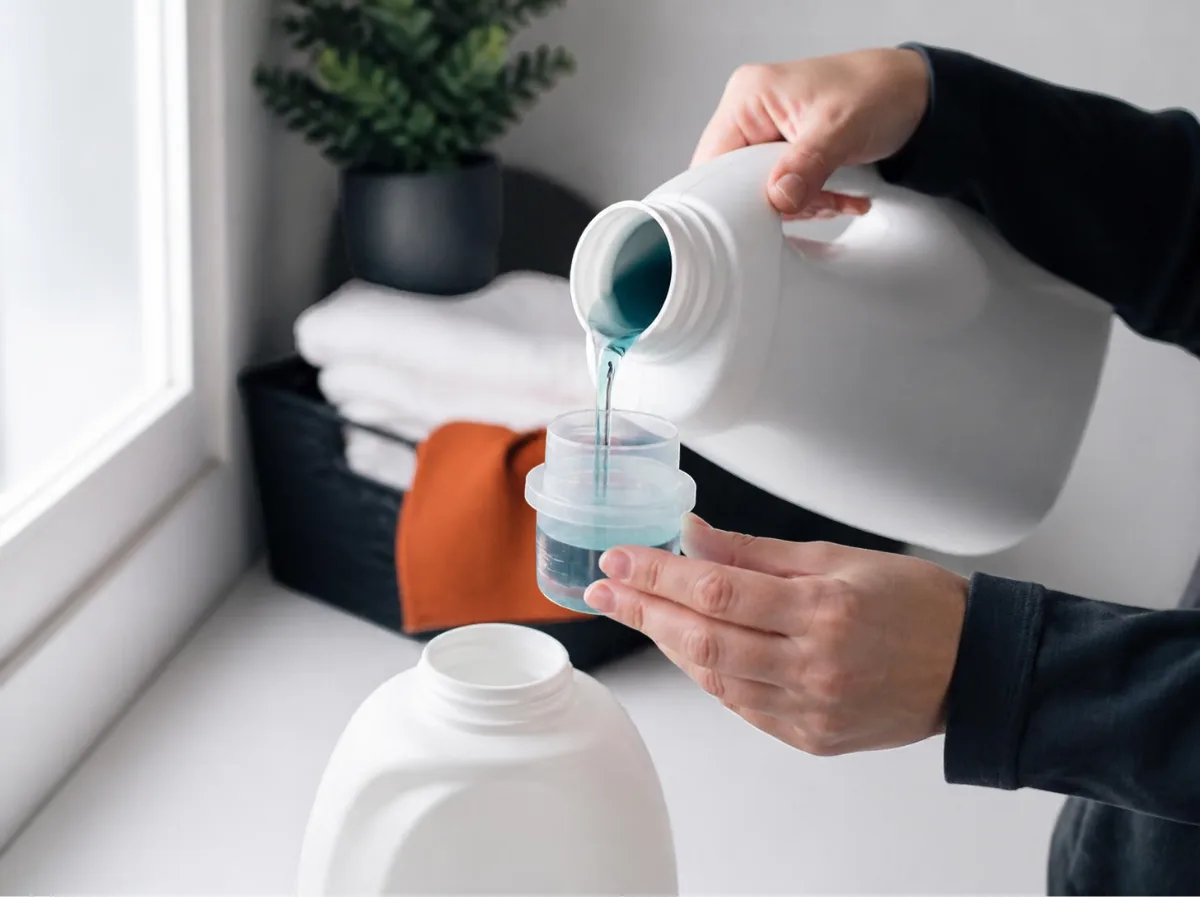
A well-rounded liquid with enzymes, used at the dose on the label, handles everyday loads for most people. In Consumer Reports testing, liquids generally outperformed pods, powders and sheets. Its Best Value pick was Kirkland Signature Ultra Clean Liquid.
That is a starting point, not a verdict. A detergent that wins on a lab swatch can still disappoint in your machine if your water is hard or your washer uses very little water. The rest of this guide is about those variables. If you want a one-screen version, jump to the decision table near the end.
There is also a trade-off hiding in "best." Testers score stain removal, but you live with scent, skin comfort, price and the jug under your sink. Weigh those too. A slightly lower score at half the price per load is often the better buy for plain family laundry.
How do the top-tested detergents compare?
Consumer Reports puts liquids first, then pods and powders, and it names specific winners in each form. The table below pulls the picks and numbers I could confirm from its published 2026 results. Prices move often, so treat cost per load as a snapshot from testing and check the shelf tag before you buy.
| Pick | Form | Best for | Cost per load (as tested) |
|---|---|---|---|
| Tide Plus Ultra Stain Release | Liquid | Best for most tough stains | n/a |
| Kirkland Signature Ultra Clean | Liquid | Best value | About 14 cents |
| Kirkland Signature Free and Clear | Liquid | Fragrance-free | n/a |
| Tide Hygienic Clean Heavy Duty 10X Power Pods | Pod | Top pod | n/a |
| Tide Original | Powder | Strong powder option | About 21 cents |
| Tide Plus Ultra Oxi | Powder | Stain-focused powder | About 32 cents |
Source: Consumer Reports laundry detergent ratings, updated in 2026. The same test ranked Dirty Labs Bio Free and Clear as its worst liquid, at about 38 cents a load. "n/a" means I did not confirm a per-load figure.
The winners are boring, widely sold products. That is good news if you want something easy to find.
How did Consumer Reports test? It washed stained swatches in two identical washers, in cool water and in hard water, then air-dried them and measured the result with a colorimeter. The stains included blood, body oil, chocolate, coffee, dirt, grass and salad dressing. That is a stronger method than most blog tests, though it still cannot copy your exact machine.
A separate commercial tester, Jeeves NY, reports ranking about 78 detergents against 18 stains, with scores indexed to Tide Hygienic Pods. Treat that as one tester’s data, since the site earns affiliate income. It points the same direction: mainstream products do well, and fancy marketing doesn’t predict results.
Liquid, powder, pods or sheets: which form is best?
Liquid is the best all-around form because it dissolves in any water temperature and pre-treats stains. Powder is strong on dirt but can leave residue in cold water. Pods are convenient and fixed in dose. Sheets are light and easy to ship, but Consumer Reports found their cleaning power fell short.
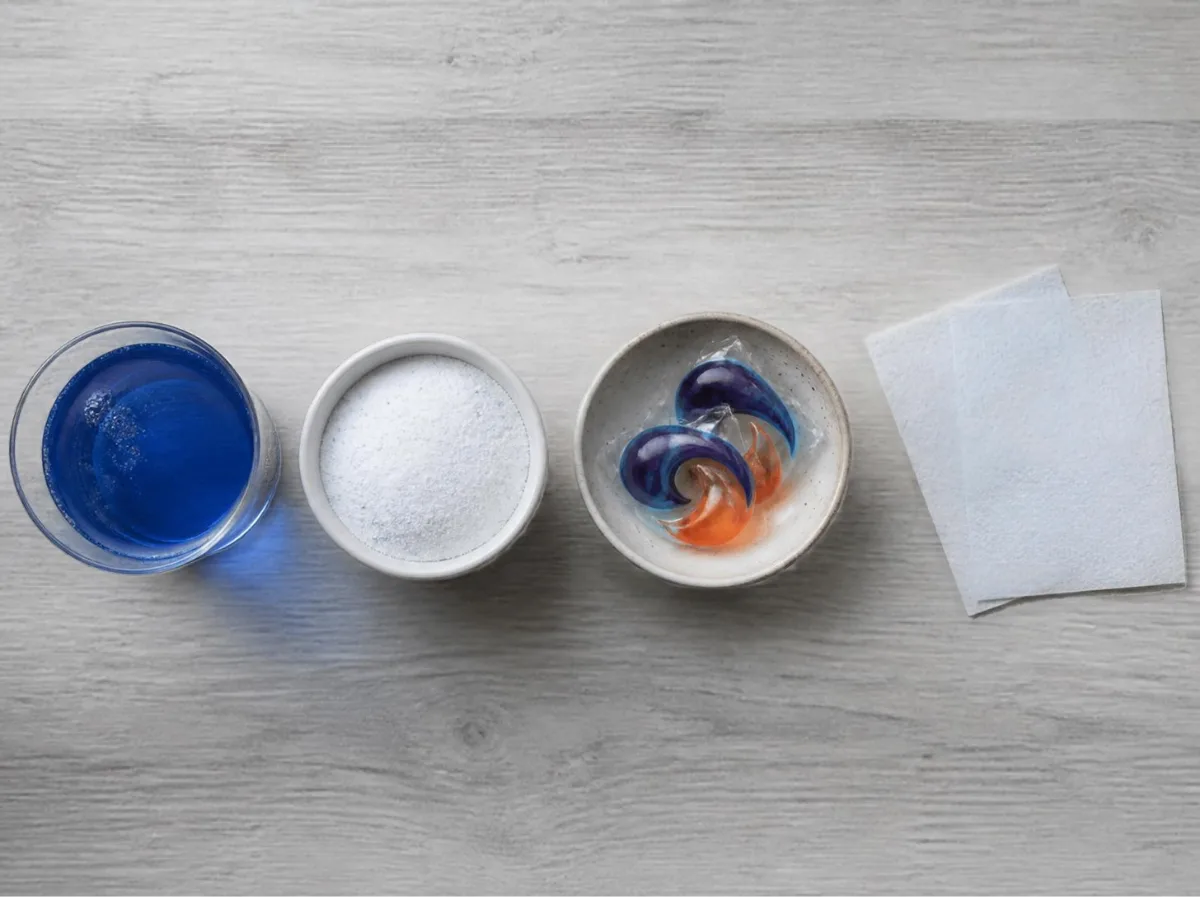
Here is how I’d weigh them.
- Liquid: Easiest to dose for small or large loads. Can go on a stain directly.
- Powder: The powders Consumer Reports tested ran about 21 to 32 cents a load. Some formulas include water softening ingredients, so check the label. Needs enough water movement to dissolve.
- Pods: No measuring and no spills. You can’t adjust for a half load, and they carry a real child-safety risk, covered below.
- Sheets: Great for travel and tiny apartments. Consumer Reports scored them below the other forms.
What is the best powder laundry detergent, and when does powder beat liquid?
The best powder laundry detergent in Consumer Reports testing was Tide Original, with Tide Plus Ultra Oxi close behind for stain work. Powder is often suggested for hard water because some formulas include softening agents, so check the label. It also suits muddy work clothes and kids’ sports gear.
Be honest about the limits. Online claims like "powder always cleans mud better" are common but I couldn’t back them with a test, so I’m treating them as a tip rather than a rule. The failure that matters is real, though. Powder that doesn’t dissolve leaves chalky streaks on dark clothes.
Three habits prevent that:
- Add the powder to the drum first, then the clothes.
- Avoid very cold fill water, or pre-dissolve the powder in a cup of warm water.
- Don’t overload the drum, because clothes packed tight stop the water from moving.
Powder in a high-efficiency washer works fine if you dose carefully, but it needs more attention than liquid. If you find white residue after washes, switch to liquid or run a hot maintenance cycle.
What is the best laundry detergent for hard water?
Hard water needs either a detergent with strong builders or a powder with softening ingredients. Hard water carries dissolved calcium and magnesium that bind to soap and cut how well detergent cleans. Check your hardness first. The U.S. Geological Survey sorts water into soft, moderately hard, hard and very hard bands.
| Water type | Hardness (mg/L as calcium carbonate) |
|---|---|
| Soft | 0 to 60 |
| Moderately hard | 61 to 120 |
| Hard | 121 to 180 |
| Very hard | Over 180 |
Source: USGS, Hardness of Water.
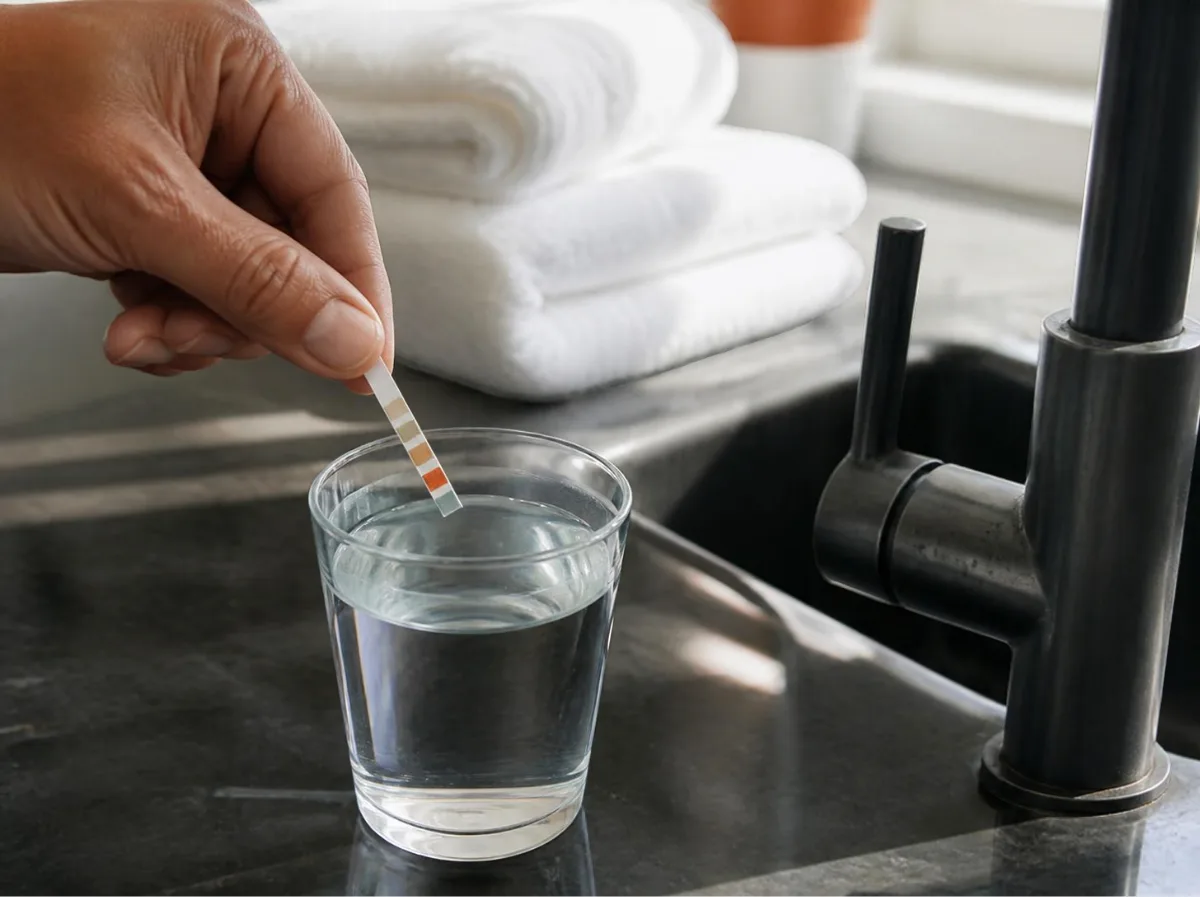
Your city’s annual water quality report usually lists hardness, or a home test strip will give you a rough number. Here is a simple rule of thumb I’d follow:
- Soft to moderately hard: Any good liquid at the label dose.
- Hard: A quality liquid, or a powder with built-in softeners. A laundry booster can help, but check that the booster is meant for washing machines.
- Very hard: A powder with softening agents, or a whole-house softener. Costs vary, so ask a plumber or water treatment pro before installing one. Dosing more detergent rarely fixes it and often leaves residue.
Hard water also leaves towels stiff and whites gray over time. If that sounds familiar, the fix is usually water treatment or a different formula, not more soap.
Do you need a special detergent for an HE washer?
Yes, use detergent marked HE or "high-efficiency" in a front-loader or high-efficiency top-loader. These washers use less water, so regular detergent can make too many suds. Excess suds trap dirt, slow rinsing and can leave residue and odor. Most modern liquids and powders on shelves already carry the HE mark.
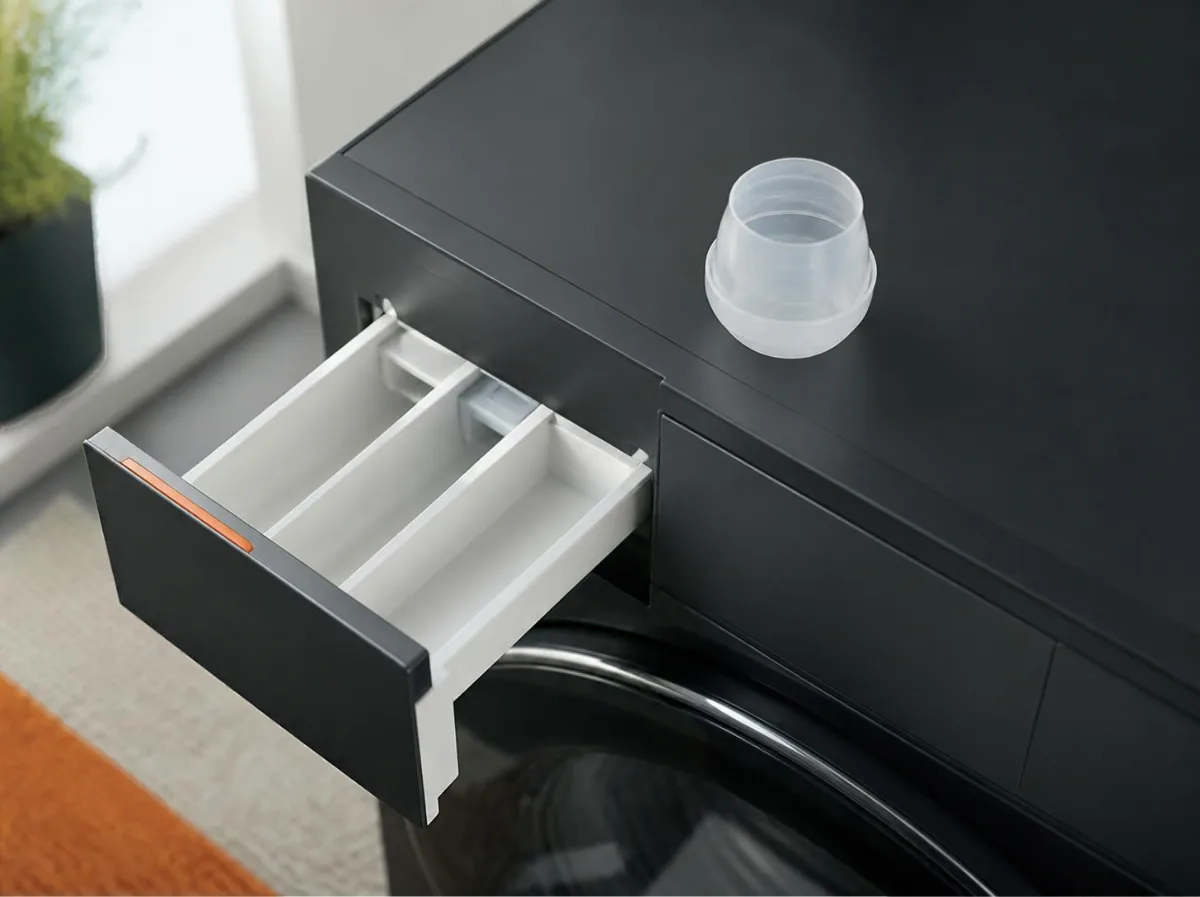
The HE label matters most for two reasons. First, the dose is lower, so the bottle’s cap line is calibrated for small water volumes. Second, low-suds formulas rinse out of tightly packed drums more reliably.
A common mistake is assuming more suds mean more cleaning. They don’t. If your washer shows a "suds detected" code or runs extra rinse cycles, you probably used too much. Cut the dose next time and see what changes.
What is the best detergent for sensitive skin?
Choose a fragrance-free, dye-free "free and clear" liquid, rinse thoroughly and test it on a few loads. Consumer Reports named Kirkland Signature Free and Clear its Best Fragrance-Free pick. "Free and clear" means no added perfume or dye. It does not mean hypoallergenic or guaranteed safe for eczema.
Skin reactions come from several sources, including fragrance, enzymes, preservatives and leftover residue. If you break out, try an extra rinse cycle before switching brands. Overloading the washer or using too much detergent leaves more behind on fabric, and that is often the real culprit.
For persistent rashes, a dermatologist or other healthcare professional can help sort out triggers. A detergent can’t diagnose or treat a skin condition, and I’d be wary of any label that suggests it can.
Is eco friendly laundry detergent worth it?
Eco friendly laundry detergent is worth it if you value lower environmental impact and your laundry is average. For heavy grease, deep stains or very hard water, some natural formulas underperform. Not every eco label tells you how well a product cleans, so check independent test results, not packaging.
Consumer Reports’ worst-rated liquid, Dirty Labs Bio Free and Clear, is a gentle, fragrance-free formula, which shows the risk of buying on a soft-sounding label alone. That doesn’t mean green products can’t clean. It means "natural" and "plant-based" are marketing terms with no single standard behind them.
If you want to go greener without gambling on stain removal, here is a practical order of moves:
- Wash in cool or cold water when the load allows it.
- Run full loads and use the right dose.
- Choose a concentrated formula to cut packaging.
- Look for a certification you can verify, covered next.
Users in zero-waste forums often say cold-water performance is the hardest thing to find in natural brands. That’s anecdotal, but it matches what you would expect from formulas with fewer cleaning agents.
How do you read eco labels like Safer Choice?
Look for the EPA Safer Choice mark first, since it’s a government-run certification for products whose ingredients meet a safer-chemistry standard and that still perform. Terms like "plant-based," "natural," "non-toxic" and "biodegradable" are not tightly regulated on laundry products, so treat them as claims to check, not proof.
A few quick label checks:
- Safer Choice logo: Verifiable through the EPA’s program at epa.gov/saferchoice.
- Full ingredient list: Better than a vague "free of harsh chemicals" line.
- Concentrated formula: Means less water and plastic per load.
- Specific claims: "Free of dyes and perfumes" is checkable, "gentle on the planet" is not.
Even a certified product still needs to clean. Pair the label with a test result from a source you trust.
What is the cheapest detergent per load, and how do you calculate it?
The cheapest detergent per load is the one with the lowest price divided by the number of loads on the label, but check the dose for your water. In Consumer Reports testing, the Kirkland Signature liquid ran about 14 cents a load and powders ran about 21 to 32 cents. A warehouse-store house brand won Best Value, so start there.
The math is simple: price divided by loads per container. Say a hypothetical jug costs $18 and the label claims 64 loads. That works out to about 28 cents a load. A hypothetical powder box at $12 for 80 loads comes to 15 cents.
Two cautions. First, label loads assume a standard dose, and many people overdose, so your real cost is higher. Second, a cheap detergent that needs a second wash isn’t cheap. Compare cost per load only between products that perform similarly.
Concentrates and bulk sizes tend to lower the number. Pods can cost more per load than a big jug, though prices vary by store and week.
How much detergent should you actually use?
Use the amount on the label for your load size and soil level, and go lower in soft water or small loads. More detergent does not clean better. Extra soap leaves residue that traps dirt and odor, can irritate skin, and makes the washer work harder to rinse.
Most caps have fill lines for a reason. Use them. A light, slightly dirty load in soft water usually needs less than the heavy line. If a load smells fine and looks clean, you probably can drop to the lower mark.
A quick dosing guide:
- Small load, light soil, soft water: Use the low line.
- Full load, normal soil: Use the middle line.
- Heavy soil or very hard water: Use the high line, and consider a powder or a booster.
Concentrated detergents need smaller doses than older formulas, so don’t pour by habit from the old jug.
Are laundry pods safe to keep at home?
Pods are safe only when stored locked away, out of sight and out of reach of children. The Consumer Product Safety Commission warns that liquid laundry packets can cause serious poisoning, and most reported cases involve children age 5 or younger. Consumer Reports advises against pods in homes with children under 6 or cognitively impaired adults.

Follow the CPSC’s storage advice from its laundry packet warning:
- Keep packets in their original container and lock them away.
- Handle them with dry hands, since the film dissolves on contact with moisture.
- Close the container fully after every use.
- If someone swallows or gets one in the eyes, call Poison Help at 1-800-222-1222.
If you have toddlers, liquid or powder is a lower-risk choice for the same results. Convenience is nice, but it isn’t worth a trip to the emergency room.
What mistakes make even the best detergent underperform?
The most common mistakes are overdosing, overloading the drum, skipping washer maintenance and using the wrong temperature. Each one cuts cleaning power no matter which brand you buy. Fixing them often helps more than switching to a pricier product.
- Too much detergent: Leaves residue, causes odor and can dull colors.
- Packed drum: Clothes need room to move so water can flush out soil.
- Dirty washer: Detergent residue and moisture build up in the gasket and drawer. A monthly cleaning cycle and an open door after washing help.
- Wrong temperature: Cold water works for most everyday loads with a cold-friendly formula, but greasy items may do better warm.
- Leaving wet clothes sitting: Even clean laundry smells musty after a few hours in a closed drum.
- Ignoring pre-treatment: A dab of detergent on a collar or stain before the wash beats a second cycle.
A hypothetical example. Say a family’s towels smell sour even with a premium liquid. Before swapping brands, they cut the dose, cleaned the gasket and left the door open. The smell is gone, and the original detergent was never the problem.
How do you choose a laundry detergent in 60 seconds?
Start with your water hardness, then your washer, then your skin and budget. If you have very hard water, lean powder. If someone has sensitive skin, go free and clear liquid. If you have small kids, skip pods. If you want one safe default, buy a mainstream liquid with enzymes.
| Your situation | Best form | What to look for |
|---|---|---|
| Typical family, soft to moderate water | Liquid | Mainstream HE liquid, value brand is fine |
| Hard or very hard water | Powder or strong liquid | Built-in softeners, correct dose |
| Sensitive skin | Free and clear liquid | No dye or perfume, extra rinse |
| Muddy or sports laundry | Powder or heavy-duty liquid | Enzymes, pre-treat stains |
| Tight budget | House-brand liquid or powder | Lowest cost per load that still performs |
| Eco priority | Concentrated, certified formula | Safer Choice mark, cold-water claim |
| Toddlers at home | Liquid or powder | Avoid pods, store locked |
| Small apartment, travel | Sheets | Accept weaker stain removal |
Once you land on a pick, give it five or six washes before judging it. Most detergent complaints come from a dose or water mismatch that shows up in the first few loads.
Frequently Asked Questions (FAQ)
Is liquid or powder detergent better?
Liquid is better for most people because it dissolves in any water temperature and works as a stain pre-treater. Powder is worth a look if your water is hard or your laundry is very dirty. Neither form wins every time, so match the form to your water and washer.
What is the best laundry detergent for stains?
Look for a formula with enzymes and use a small dab as a pre-treatment on the stain. Consumer Reports tested blood, body oil, coffee, grass and more, and named Tide Plus Ultra Stain Release best for tough stains. Stain type matters, and the care label on the garment and the detergent bottle usually say which water temperature to use.
Are pods worth it?
Pods are worth it only if convenience matters more to you than cost and flexibility, and no young children are around. They cost more per load in many cases and cannot be adjusted for small loads. Consumer Reports rates liquids ahead of pods overall and advises against pods in homes with kids under 6.
Is eco friendly laundry detergent as good as Tide?
Some are close, but results vary widely, so you can’t assume it. In Consumer Reports testing, a fragrance-free, gentle-sounding liquid ranked last, so check independent results before you buy. For everyday loads, a certified eco formula can be enough. For grease, stubborn dirt or very hard water, a conventional product often cleans better.
Is free and clear detergent the same as hypoallergenic?
No. Free and clear means the product has no added fragrance or dye. Hypoallergenic isn’t a guarantee of safety for allergy or eczema. Even unscented detergent can contain enzymes or preservatives that bother some skin, so test it on a few loads and rinse well.
Can I use regular detergent in an HE washer?
You can, but you shouldn’t. Regular detergent makes more suds than an HE machine can rinse away, which can leave residue, odors and extra rinse cycles. Most detergents sold today are HE compatible, so look for the HE mark on the label and use the lower dose it recommends.
Does cold water clean as well as warm?
For everyday loads, a cold-friendly detergent cleans well in cool or cold water, and it saves energy. Greasy or oily items and heavily soiled loads may clean better in warm water. Powders can also dissolve poorly in very cold water, so liquid is the safer pick for cold cycles.
Why do my clothes still smell after washing?
Usually the cause is residue, not the detergent brand. Too much soap, a packed drum, a dirty gasket or leaving wet laundry in the washer all create odor. Cut the dose, clean the machine monthly, wipe the gasket and leave the door ajar between loads before you change products.
Do I need a laundry booster?
Not for most loads. A booster can help in hard water or with heavy soil, and some home-laundry forums swear by it. It adds cost and another product to dose, so try the correct amount of a good detergent first. Use a booster only if hard water or stains still win. Check that it is meant for washing machines. If you are weighing a whole-house softener, costs vary, so ask a plumber or water pro first.
How long does a bottle of detergent last?
It depends on the load count on the label and how closely you follow the dose. Many people use more than recommended, so a bottle lasts fewer loads than printed. Store it capped, in a cool and dry spot, and check the label for a date.
The bottom line on the best laundry detergent
The best laundry detergent is the one that fits your life, not the one with the biggest price tag. A warehouse-store liquid won Consumer Reports’ Best Value, and a free and clear liquid is the calm choice for skin that reacts.
Start with your water hardness, because it changes the answer more than any brand does. Then match the form to your washer, dose by the label and clean the machine monthly. Keep pods locked up or skip them if kids are around, and treat eco claims as a prompt to check, not a promise.
Your next step is simple. Look up your water report, pick one detergent from the table above and give it a fair run of six loads.