Spring Flowers That Bloom in Sequence, Not All at Once
A bed that blooms for two weeks and then sits bare for two months is a planning problem, not bad luck. Say a homeowner plants 50 tulips in one weekend. They open together in late April, look great for ten days, and by mid-May the bed is a patch of floppy green leaves. The neighbor’s yard, planted with a mix of early, middle and late bloomers, still has color.
That gap is what this guide fixes. Most lists of spring flowers hand you 20 pretty pictures and stop. You get a bloom order, a keep-or-replace rule for each plant, planting depth, and a rescue plan if fall already slipped past you. Think of it as one part of building a front-yard planting plan.
Executive Summary
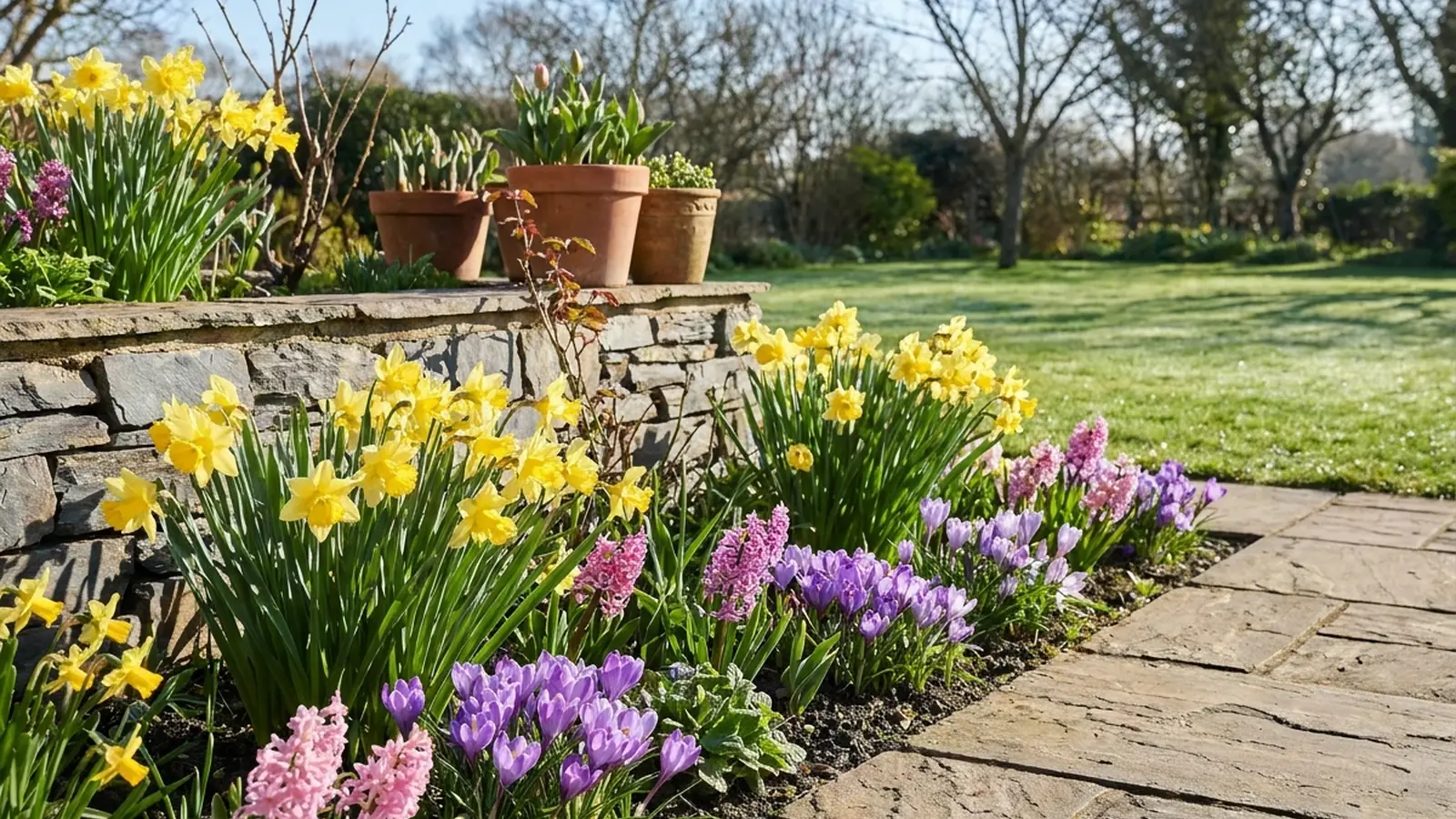
You can aim for a long run of color from a small bed if you stack plants by bloom time. Early crocus, snowdrop and Siberian squill open first. Daffodils and hyacinth take the middle. Tulips, allium and iris finish the show, with lilac and peony right behind.
Three insights carry most of the weight. First, hybrid tulips often fade after a year or two, while daffodils, species tulips and allium tend to return. Second, spreaders like grape hyacinth and lily of the valley look cheap and easy but can take years to dig out. Third, bulbs planted in spring will not bloom that spring, so a late planter needs a different plan.
The biggest objection is "I missed fall." You have options: plant in early winter if the soil is workable, or use tender bulbs and cool-season annuals in spring. Zones and local frost dates vary, so check your USDA hardiness zone first.
What counts as spring flowers, and which type should you start with?
Spring flowers fall into four groups: bulbs (tulips, daffodils, crocus), perennials (peony, bleeding heart, hellebore), flowering shrubs (lilac, forsythia, azalea) and cool-season annuals (pansy, sweet alyssum). Start with bulbs if you like fall planting, and with shrubs or perennials if you want to plant once and walk away.
Bulbs are the cheapest spring flowers per bloom but need fall work every few years. Shrubs cost more up front and then ask for almost nothing. Perennials sit in the middle.
My opinion: if you hate digging in October, skip tulips and buy one lilac and a few hellebores. That’s the lowest-effort route to a yard that looks planned. Shrubs and perennials are the plant-once end of the spectrum, and a few hellebores or bleeding hearts even tolerate shade, which most bulbs do not enjoy. If you want native spring plants, your local extension office can name the ones that suit your region.
Which spring flowers bloom first, and which come last?
Spring flowers bloom in three waves. Early spring brings snowdrop, crocus, Siberian squill and hellebore. Mid spring brings daffodil, hyacinth, forsythia and pansy. Late spring brings tulip, allium, iris, lilac, peony and bleeding heart. Exact dates shift with your zone, so use the order, not the calendar.
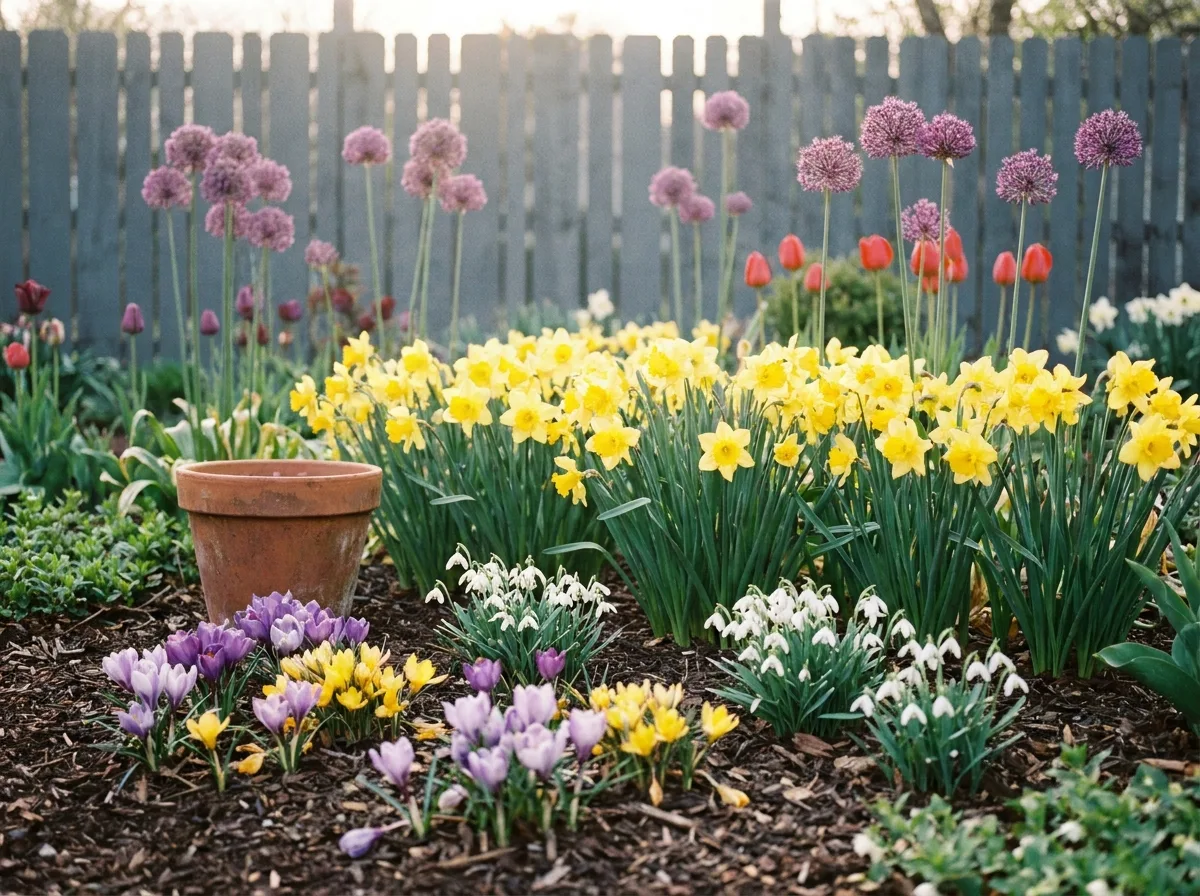
The order stays the same everywhere. A warm Georgia yard and a cold Minnesota yard run the same sequence of spring flowers, just weeks apart.
| Wave | Plants | Typical effort | Skip it if |
|---|---|---|---|
| Early | Snowdrop, crocus, Siberian squill, Lenten rose | Low | You want big flowers |
| Middle | Daffodil, hyacinth, forsythia, pansy | Low to medium | Squirrels dig up your bulbs (crocus and tulip are favorites) |
| Late | Tulip, allium, bearded iris, lilac, peony | Medium | You dislike replanting |
The table ranks plants on bloom order, upkeep and the most common regret. Layering one plant from each wave in a single bed, say crocus, daffodil and allium, beats any single "best" flower.
Which bulbs come back every year, and are tulips worth it?
Among spring flowers, daffodils, crocus, snowdrop, allium and species tulips usually return and multiply. Fancy hybrid tulips often fade after one or two seasons, especially in warm summers or wet soil. Tulips are worth it as a short-term splash. They are poor value if you want a plant-once, forget-it bed.
Gardeners in Reddit threads repeat the same pattern. Old-standard and species tulips come back, but showy hybrids shrink. Daffodils, meanwhile, spread and rodents leave them alone.
A common version of this mistake: a homeowner buys a deal-priced bag of mixed tulips, plants them in rows, and finds deer ate nearly every bloom. Fix it by planting daffodils around the tulips, or by treating tulips as annuals you replace each fall. That’s a fair trade-off, as long as you budget for it.
When and how deep should you plant spring flowers?
Plant spring-blooming bulbs in fall, before the first hard frost. In western Pennsylvania that means September to October, according to Penn State Extension. Set each bulb pointed end up at 2.5 to 3 times its height, in full sun with excellent drainage, and cover with 2 to 3 inches of mulch.
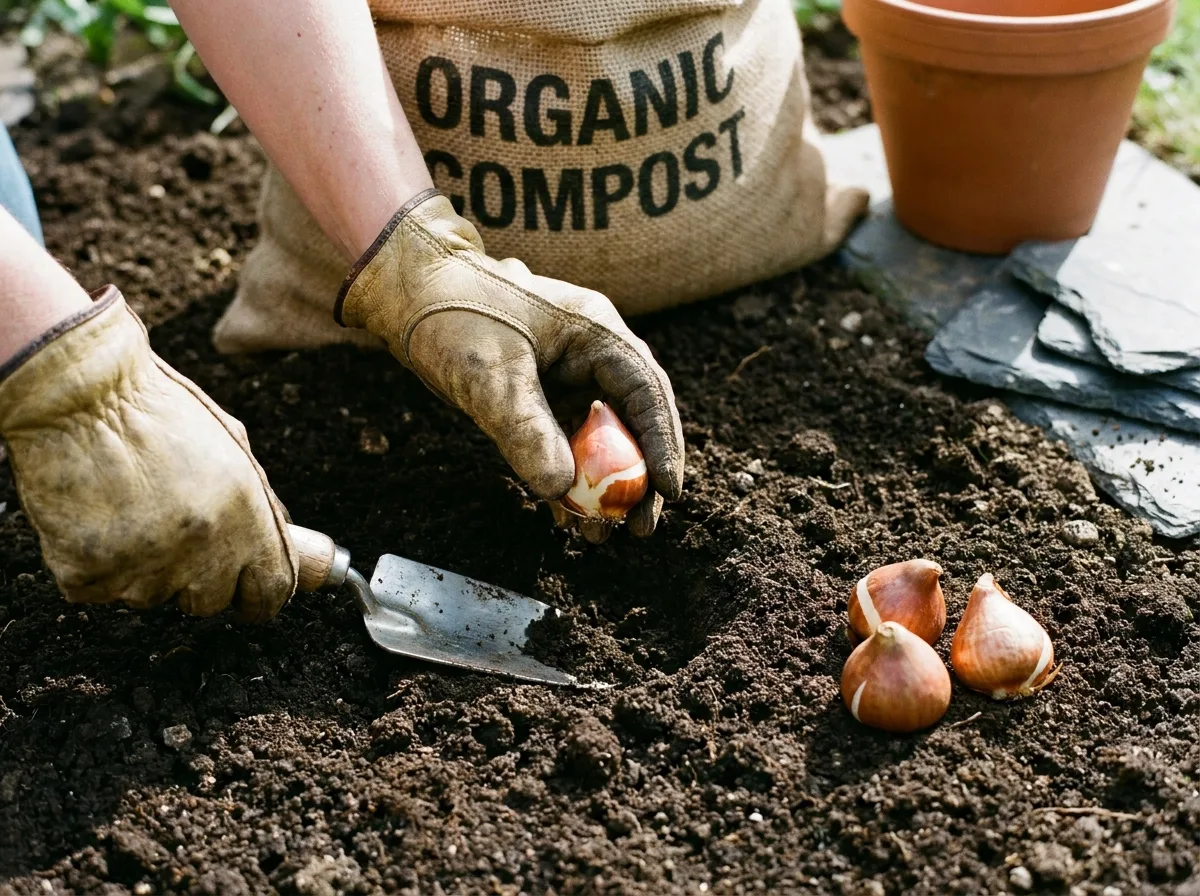
A 2-inch bulb goes about 5 to 6 inches deep. Wet, heavy soil is the real killer here, because bulbs rot when water sits around them. Penn State also recommends a soil pH of roughly 6 to 7.
Planting steps, about 30 minutes for a small bed:
- Loosen the soil and mix in compost if it drains slowly.
- Dig to the right depth. A bulb auger on a drill makes this fast.
- Place bulbs in clusters of five or more, not in rows.
- Backfill, water once, then mulch.
Zone matters for spring flowers more than any label admits. Southern gardeners often plant later than northern ones, and some bulbs need cold winters to bloom. Check the USDA Plant Hardiness Zone Map before you buy.
What if you missed fall planting?
If it’s November or December and the ground isn’t frozen solid, plant your bulbs anyway. A bulb in the ground beats a bulb in a bag. If it’s already spring, buy potted perennials, pansies and tender bulbs like dahlia and gladiolus. Spring-planted hardy bulbs won’t bloom until next year.
Gardeners in zones 5 and 6 report planting through a thin frozen crust with a drill and auger and still getting blooms. No promises, but it beats composting a whole bag.
For instant color from spring flowers this year, pansies, violas and sweet alyssum handle cool weather well. Dutch iris, anemone and ranunculus are often named as bulbs that don’t need a long chill, though checking the seller’s notes for your zone is smart. Tender bulbs go in after frost danger passes.
Here’s the myth to drop: buying bulbs in March and planting them won’t give you tulips in April. It gives you next year’s tulips, if you’re lucky.
Which plants are risky: spreaders, deer snacks and pet hazards?
Grape hyacinth and lily of the valley spread aggressively and are hard to remove. Deer and squirrels target tulips and crocus, while daffodils are usually left alone. Many spring bulbs, including daffodil, tulip, hyacinth and lily of the valley, can be toxic to pets, so check before planting.
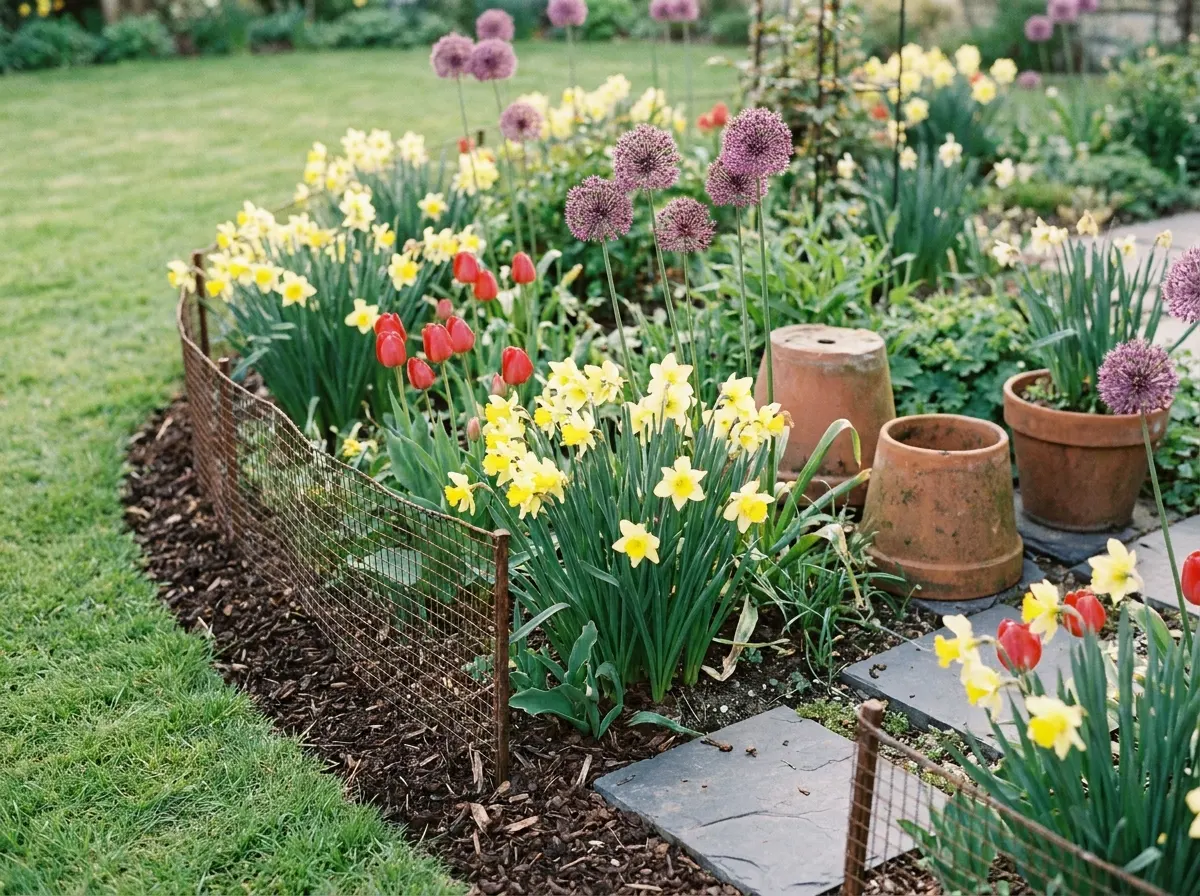
Take grape hyacinth. It looks harmless in a catalog, then shows up across the lawn for a decade. Plant it only where it can run, such as a contained corner, or pick a better-behaved bulb.
For deer, daffodil and allium are the standard picks. For squirrels, gardeners often try physical barriers over the planting spot. For pets, ask your vet about any plant your dog or cat chews. Our rule: if a pet digs, assume the bulb is a hazard.
Can you grow spring flowers in pots, and where should you buy bulbs?
Yes, most spring bulbs grow well in containers if the pot drains and the bulbs are hardy to a zone colder than yours, since pots freeze harder than ground. Buy from specialty bulb sellers when you can, and treat cheap mixed bags at big-box stores with caution.
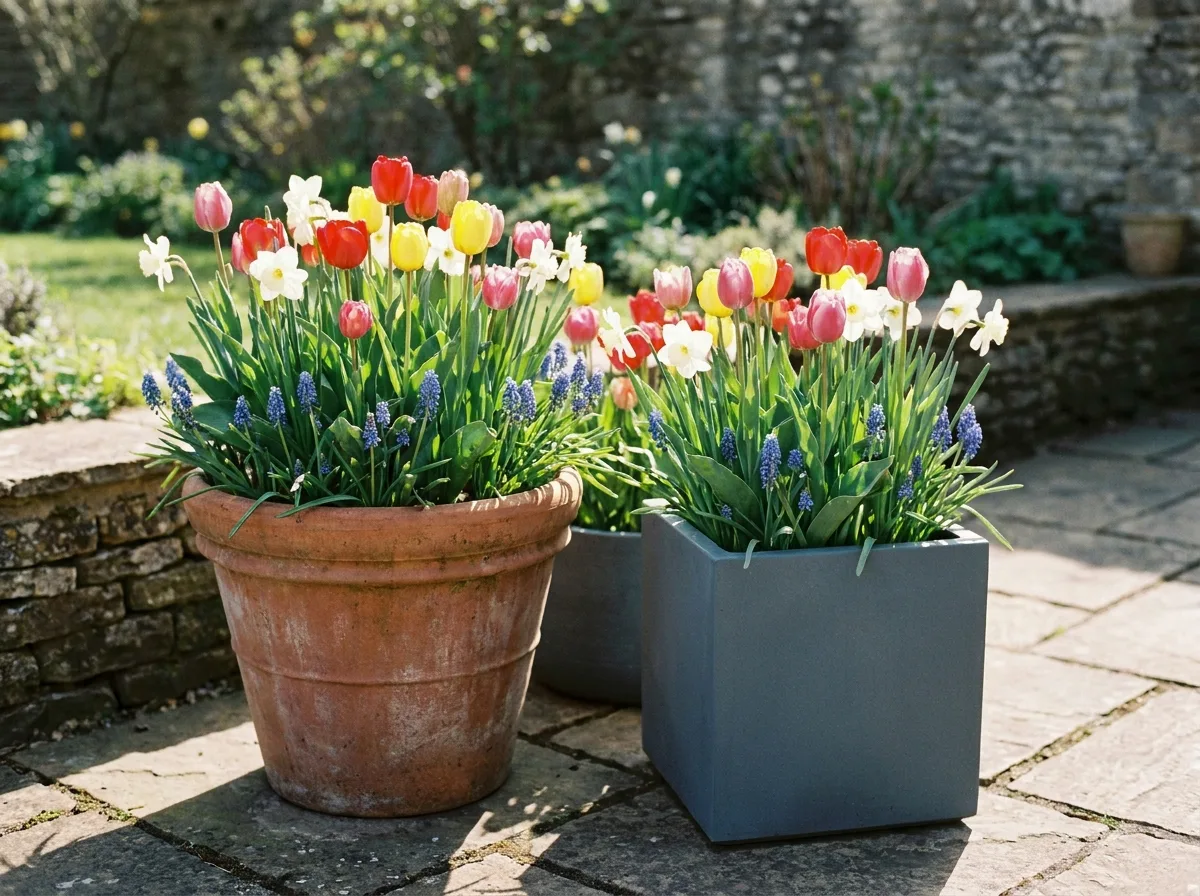
The "one zone colder" rule comes from gardener threads, not a lab, so treat it as a guideline. In zone 7b, people report pots surviving fine so far.
Quality is the real lottery with spring flowers sold as bulbs. One poster said only 4 of 50-plus bulbs from a cheap seller grew. Another got yellow daffodils sold as pink (many "pink" daffodils start yellow and turn salmon in cooler weather). Sellers that gardeners name include Brent and Becky’s, Colorblends, ADR Bulbs, Van Engelen and Jung, with mixed views on Costco and Lowe’s.
Pick fewer, better bulbs, because good spring flowers start with good stock. Order early, inspect on arrival, and toss anything soft or moldy. If you also grow a potted olive tree on the patio or a lemon tree in a container, the same drainage habits apply.
Frequently Asked Questions
Can I plant bulbs in November?
Yes, if the soil is workable. Roots keep growing as long as the ground isn’t frozen solid, so a late bulb in the ground beats one left in its bag. Expect smaller or later blooms in the first year. Mulch lightly after planting to protect the bulbs from freeze-thaw swings.
Do tulips come back every year?
Species and old-standard tulips often do. Big hybrid tulips commonly fade after one or two seasons, particularly in warm, wet or deer-heavy yards. If you want reliable repeats, choose species types, plant in well-drained sun, and let the leaves die back naturally. Otherwise, treat hybrids as a yearly purchase.
When do daffodils bloom?
Most daffodils open in early to mid spring, after crocus and before tulips. The exact weeks depend on your zone and the variety, so check the seller’s notes. Planting early, mid and late varieties stretches the show over several weeks instead of one burst, which is the whole point of a sequenced bed. Note the dates in a phone calendar this year, and next fall you will know exactly where a gap needs filling.
Do spring bulbs need fertilizer?
Usually not much, as general guidance. Good drainage and sun matter more than feeding. If your soil is poor, mix compost in at planting. After bloom, leave the foliage in place so the bulb can recharge. A local extension office can advise on your soil.
Can bulbs stay in pots over winter?
Often yes, if the pot drains and the bulbs are hardy to a zone colder than yours. Pots freeze harder than soil, so move them to a sheltered spot or sink them in the ground in colder zones. Soggy potting mix is the bigger threat than the cold itself.
Why are my daffodils not blooming?
Common causes are too much shade, foliage cut back too early, overcrowded clumps and planting too shallow. Let the leaves yellow naturally for several weeks after bloom. If clumps are crowded, dig and divide them after the foliage dies back, then replant at the proper depth.
Are daffodils deer proof?
Mostly. Deer usually leave daffodils alone, which is why gardeners plant them around tulips as a buffer. No plant is guaranteed, because hungry deer try anything. Daffodil and allium are the standard first picks. Treat that as a strong tendency, not a promise, and test a small patch before you commit a whole bed. If deer pressure is heavy where you live, a local nursery can name what survives there.
What are the earliest spring flowers?
Snowdrop, crocus, Siberian squill and hellebore (Lenten rose) usually lead, sometimes pushing through leftover snow. Iris reticulata is another early starter. Pair iris reticulata with crocus for a tight, colorful early patch that rewards you right when the yard looks its worst. Plant them near a path or window so you actually see them on a cold morning.
Are lily of the valley safe for pets?
No. Lily of the valley is considered toxic to dogs and cats, and it also spreads aggressively. Skip it if pets roam your yard. Call a vet or an animal poison hotline if a pet eats any part of it. Safer-looking groundcovers exist, so ask a local nursery.
How many bulbs per square foot?
There’s no single rule, because it depends on bulb size and the look you want. Small bulbs like crocus pack tightly, while large tulips and daffodils need more room. Plant in clusters of five or more. For exact spacing, read the seller’s label. The look improves when groups overlap.
Conclusion
The best spring flowers plan isn’t the prettiest list. It’s the one that gives you color from the first crocus to the last peony, with a clear answer on what returns and what you replace. Pick one of the spring flowers from each wave, plant in fall at 2.5 to 3 times the bulb height, and watch for spreaders and pets.
Back to our homeowner with 50 tulips: the fix is to keep a few, add daffodils and allium, and plant a lilac that never needs replanting. If you already missed fall, start with pansies and a few potted perennials.
Once the bulbs are in, a container citrus guide is a sensible next read for keeping the patio green after the blooms fade.
So what will your bed look like on May 1: a short burst or a slow, steady build?