Vinyl Windows: How to Spec, Price and Choose Them Without Overpaying
Say you open a quote for eleven replacement windows and the total reads $20,000. The salesperson calls it a "today only" discount. Your old frames are tired, the drafts are real. Do you sign?
Hold that thought. The brand on the sash matters far less than most sales pitches suggest. What decides whether vinyl windows last and perform is the spec: corner welds, glass package, spacer, balance system and the person who installs them. This is one part of the bigger exterior picture, and our double hung window guide covers the most common style in more depth.
Below you get a plain-English spec checklist, honest price ranges with their drivers, a method for comparing quotes, and the downsides that brochures skip. Ten minutes of reading here can save you from signing a number you can’t defend.
Executive Summary
This guide shows you how to buy vinyl windows by specification instead of by brand name. You will learn what sits inside a vinyl frame, which features separate a bargain window from a good one, and how to read the energy label so you can compare quotes fairly.
The biggest objection first: "Isn’t vinyl just cheap plastic?" Not exactly. Good vinyl is a solid, low-maintenance choice for most houses, though it has real limits with dark colors, historic homes and repairability. Fiberglass can justify its extra cost in some cases, and we give you a decision rule.
Prices below come from homeowner-reported figures, not a national average, so treat them as ranges with drivers. The federal window tax credit (which only covered ENERGY STAR Most Efficient windows) has also ended, and we say exactly when. Get three quotes, ask for the spec in writing, and you are already ahead of most buyers.
What are vinyl windows and what is inside the frame?
Vinyl windows use frames made from PVC, a rigid plastic extruded into hollow shapes and welded into a rectangle. The hollow chambers inside the frame trap air, and vinyl conducts heat poorly, so the frame itself resists heat flow. Glass, sash hardware and weatherstripping are bolted into that frame to make a finished window.
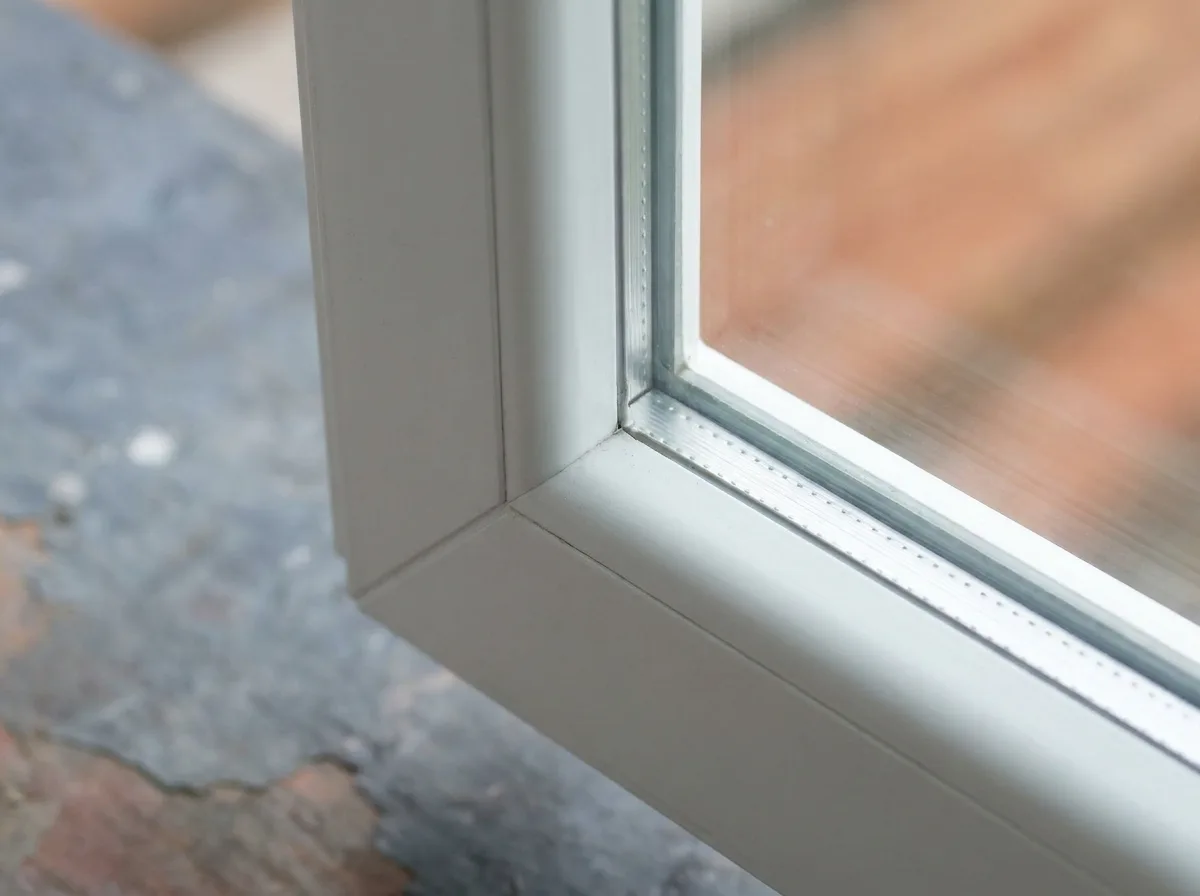
Think of the frame as a multi-room box, not a solid block. More chambers usually means better insulation and a stiffer frame, and some makers add foam. UV stabilizers keep sunlight from chalking the surface, and better lines add a capstock, a thin acrylic outer layer that protects color. No painting is the whole pitch.
Are vinyl windows good, or just cheap?
Vinyl windows are good value when the spec is right, and they are the most common replacement choice in the US. They cost less than fiberglass or wood, need almost no upkeep and insulate well. The catch is quality range: a budget builder-grade unit and a well-built one are very different products under the same name.
MI Windows claims vinyl makes up roughly 70 percent of US residential window sales, a manufacturer figure worth treating cautiously. My opinion: vinyl is the right default if you plan to stay 10 to 20 years. A 40-year window is wasted on a 12-year stay, so spend the difference on glass and installation.
What do vinyl windows really cost installed?
Installed cost for vinyl windows depends on tier, size, style, labor and whether you do an insert or full-frame job. Homeowners report anything from a few hundred dollars per opening for basic units to well over $1,500 for top-tier ones in expensive metros. No reliable national average exists, so budget with ranges and get written quotes.
These are reader-reported anecdotes, not facts. One person cited $6,300 for nine windows in Florida, another just under $8,000 for ten double pane windows plus a slider, and a high cost area saw $1,600 per double hung.
| Scenario (illustrative) | Rough per-window feel | Main cost drivers |
|---|---|---|
| Basic builder-grade insert | Low | Small sizes, white only, standard glass |
| Mid-tier insert, low-E glass | Middle | Better spacer, welded corners, warranty |
| Full-frame with trim work | High | Siding repair, interior trim, permits |
| Top-tier series, big or custom sizes | Highest | Large glass, colors, laminated options |
Here is a labelled-hypothetical 10-window example built from those reader figures. Using a baseline of about $1,000 per window installed, ten windows land near $10,000. A basic job reported at about $8,000 for ten sits below that line, and a high cost metro at $1,600 per double hung would push the same ten toward $16,000. These are illustrations of spread, not quotes.
Ask each bidder to separate window price, labor, trim and disposal. Price shock usually hides in the extras.
What makes one vinyl window better than another?
Better vinyl windows have fully welded corners, reinforced sashes and meeting rails, low-E double pane glass, a non-metal warm-edge spacer, solid weatherstripping and a constant-force balance system on double hungs. Those features are commonly reported as missing on budget lines. Ask for each one in writing before you compare prices.
This checklist comes from what experienced homeowners recommend in threads. Super Spacer and Duralite are spacer brands you may see named. Several major makers, including Milgard, Pella, Simonton and Alside, sell vinyl lines, and each has tiers. A cheap line from a famous brand can lose to a mid line from a lesser-known maker.
- Fusion-welded corners, not screwed or glued
- Reinforced meeting rail, where sashes flex
- Low-E coating with argon fill
- Warm-edge spacer instead of aluminum
Here’s the part most people miss. One homeowner reported only about $35 extra for custom sizing over standard, so ask your bidder before forcing a stock window into an odd opening.
How do double hung vinyl windows compare with casements and other styles?
Double hung vinyl windows slide up and down, clean easily with tilt-in sashes and suit most traditional houses. Casements crank outward and seal tighter against air. Sliders suit wide, low openings, awnings handle rain ventilation, and picture windows trade ventilation for price and view. Pick style by the room, not the catalog.
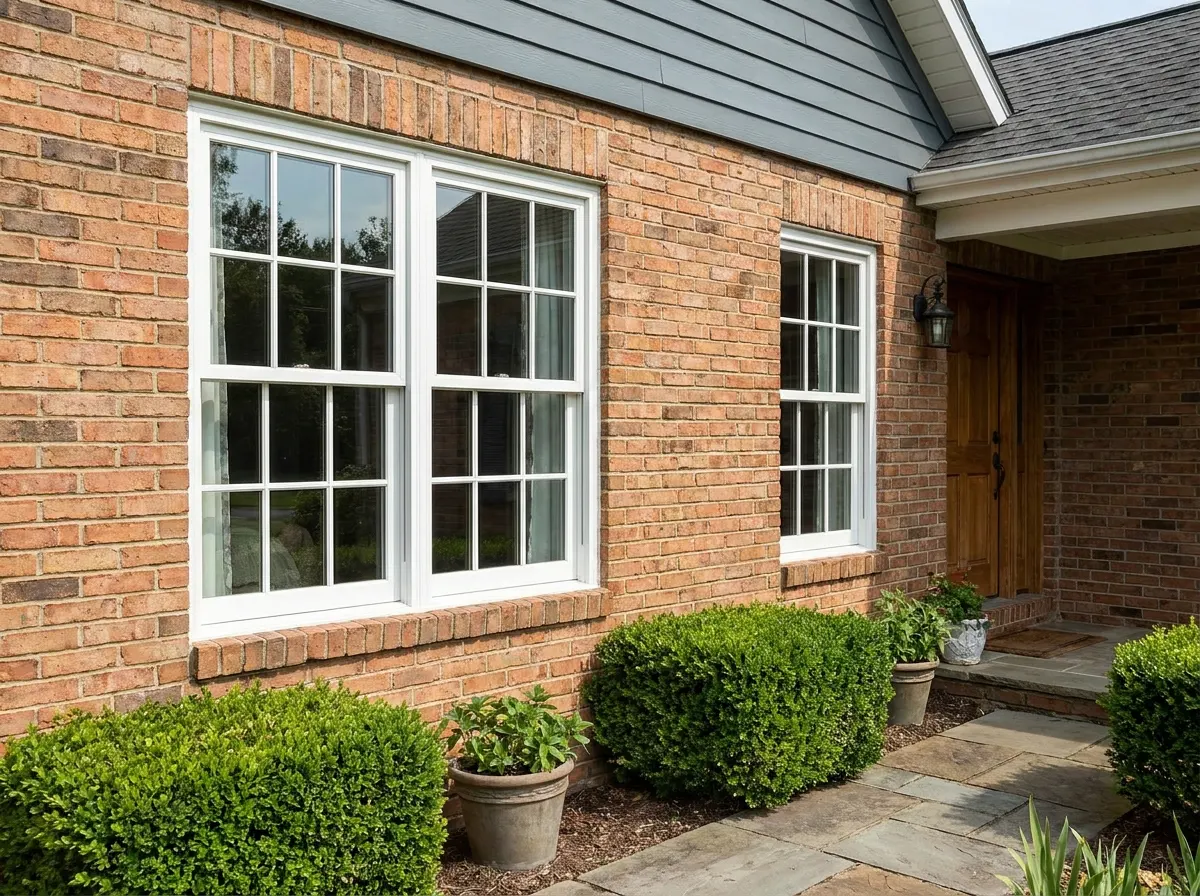
Room by room: sliders fit wide, low openings, awnings suit spots where you want air during rain, and picture windows fit big views where you never need to open the sash. Bow windows are the statement option and cost more. Double hungs are the most common choice, but sliding sashes rely on weatherstripping, so they tend to leak more air than a casement that presses shut like a refrigerator door. Our casement window guide explains the crank and the trade-offs. Single hung windows cost less and have fewer moving parts, a fair saving in a bedroom you rarely open. For statement openings, see these bay window ideas.
Bedrooms also need egress. Model code language cites 5.7 square feet of clear opening, 20 inches wide, 24 inches high, sill no higher than 44 inches. Check your local code, since rules vary.
Vinyl vs fiberglass vs wood vs aluminum: which is worth the money?
Choose vinyl for the best price and low upkeep, fiberglass for stiffer frames, darker colors and paintability, wood for traditional looks if you accept maintenance, and aluminum mainly for slim modern frames in mild climates. For most budgets, vinyl wins unless you are staying decades or matching a historic house.
| Material | Strength | Weak spot | Suits |
|---|---|---|---|
| Vinyl | Price, no painting | Limited dark colors, hard to repair | Most homes |
| Fiberglass | Stiff, paintable | Higher cost | Long stays, dark colors |
| Wood or clad | Looks, repairable | Upkeep | Historic homes |
| Aluminum | Slim, strong | Conducts heat | Mild climates |
| Composite | Mixed benefits | Price | Premium jobs |
One installer in Minnesota reportedly priced Marvin Essential fiberglass at $1,600 to $2,000 per window. Pella Impervia and Andersen 100 are other fiberglass lines. My decision rule: pick fiberglass if you want a dark color, plan to stay 20 years or more, or hate the look of vinyl. Otherwise put the savings into better glass.
How do you read the NFRC label, and is there still a tax credit?
The NFRC label lists U-factor, which measures heat loss (lower is better), and SHGC, which measures how much solar heat gets through. ENERGY STAR sets targets for four climate zones. The federal 25C window tax credit covered products placed in service from 2023 through 2025, so it has ended.
Quaker lists vinyl lines from roughly 0.22 to 0.36 U-factor and 0.12 to 0.55 SHGC, so numbers vary a lot. Cold climates want a low U-factor. Hot, sunny ones want a low SHGC.
The credit gave 30 percent of cost, capped at $600 per year (a ceiling, not a guaranteed amount), and only for ENERGY STAR Most Efficient windows, so not every window qualified. It expired December 31, 2025, so don’t let a salesperson say it still applies. Ask about state or utility rebates instead.
Can vinyl fade, warp or fog, and which colors are safe?
Vinyl can fade, chalk or warp when poor material meets heat, and the glass seal can fail, causing fog between panes. White and light colors are the safest. Dark colors absorb heat, so only buy them with heat-rated capstock and a manufacturer warranty that explicitly covers dark finishes.
Thermal expansion is the mechanism: vinyl grows and shrinks with temperature, and dark frames in direct sun swing the most. A common version of this mistake: a buyer orders black vinyl for a west-facing wall without asking about heat tolerance, and a few summers later the sashes bind. White and tan are the low-risk colors. Fogging usually means a failed glass seal, not a failed frame.
Insert replacement or full-frame: which does your house need?
Insert (pocket) replacement slides a new window into the existing frame, which is cheaper and keeps interior trim and siding intact. Full-frame replacement removes everything down to the rough opening, so you can fix rot and flashing. Choose full-frame when the old frame is damaged or wet.
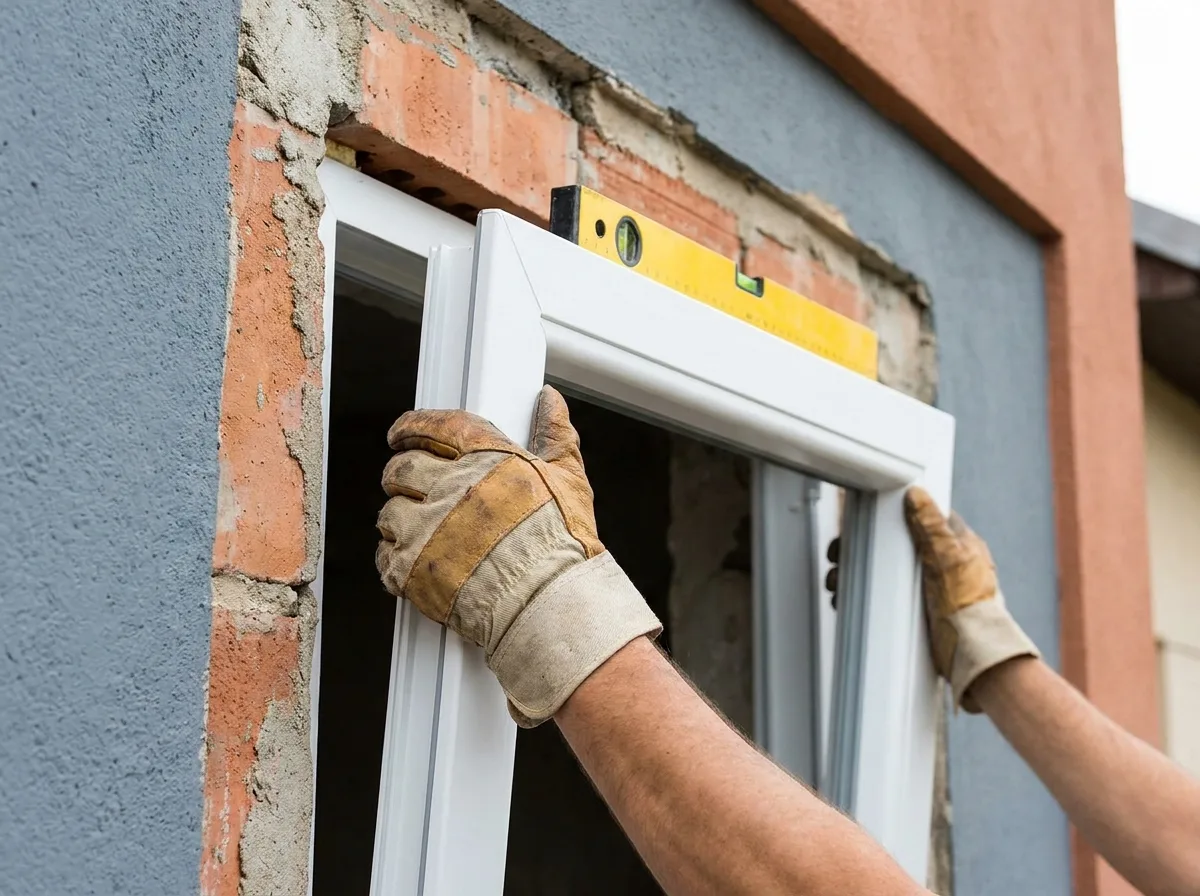
Insert jobs shrink the glass area a little, because the new frame sits inside the old one. Full-frame keeps full glass but costs more and may disturb siding or trim. Check the sill too, since rot hides under paint. This window sill guide shows how to spot damage.
Where should you buy, and how do you compare quotes?
Buy from a local installer or a manufacturer-certified dealer, and compare at least three itemized quotes. Big box stores like Home Depot and Lowe’s can work for standard sizes but often subcontract installation. Sales-only window companies may price high, so ask who actually does the install.

One thread described three bids of $48,000, $65,000 and $98,000 for nineteen windows, negotiated down to about $37,000. The lesson is that the first number is flexible. Read the lump-sum quote and sales-company markup as reader reports, not as how every company works. Beware of "discount" language that anchors a high base price.
Make each bidder fill the same spec sheet:
- Series name and frame material
- Glass package, spacer and gas fill
- Insert or full-frame, trim and capping
- Labor, disposal and permit lines
- Warranty terms, including transfer and labor coverage
When does vinyl hurt, such as historic homes and resale?
Vinyl can hurt in historic districts, on houses with thin original trim, or where buyers expect wood. Its sightlines are thicker than wood, so openings look heavier. Resale effects vary widely by market, and no reliable national figure exists. Check local historic rules before ordering anything.
I’d skip vinyl on a true 1920s house with original wood sashes in good shape, since repairing them often beats replacing them. Vinyl is hard to repair: a cracked frame usually means a new window, while wood can be patched. For ordinary suburban houses, buyers care more about clean, working windows than the material.
Frequently Asked Questions
How long do vinyl windows last?
Quality vinyl windows often outlast the warranty, but no reliable universal lifespan exists. Some owners report 30 years for warranty-backed lines, and sash seals often fail before frames do. Sun exposure, glass quality and installation shape the outcome more than the label. Read the warranty for seal coverage. Our double hung window guide shows what to check on moving parts.
Are vinyl windows energy efficient?
Yes, when paired with low-E glass and a warm-edge spacer. Multi-chamber frames and gas fill help, but the NFRC label tells the truth for each product. Compare U-factor and SHGC for your climate zone rather than trusting a brochure. A cheap vinyl unit with clear glass can lose to a well-specified one.
Can vinyl windows be painted?
Painting is generally discouraged. Standard vinyl expands with heat, and dark paint can cause warping and may void the warranty. If you want another color, order one factory-finished, or look at fiberglass, which accepts paint. Always check the manufacturer’s rules first, since a few vinyl lines allow specific light-reflective paints.
Do vinyl windows come in black?
Yes, several makers offer black or dark bronze vinyl, often with heat-resistant capstock. Dark frames absorb more sun and expand more, so warranty terms matter. Ask whether the dark color is covered against warping and fading. In hot, sunny climates, fiberglass may be the safer choice for dark frames.
How much does it cost to replace 10 windows?
It depends on tier, style, size and install type. Homeowners report anything from roughly $8,000 for ten basic double panes to $10,000 or more for ten double hung mid-tier windows, and far higher in expensive markets. Get three itemized quotes that split window price, labor, trim and disposal, because a single lump sum hides the extras that move the total most.
Are vinyl windows worth it?
For most homeowners, yes. They cost less than fiberglass or wood and need almost no maintenance. They are less worth it for historic houses, very dark colors or owners staying 25 years or more. Buy by spec, not by logo, and the value usually follows.
Do vinyl windows increase home value?
Possibly, but not by a precise percentage you can count on. New windows help curb appeal, energy bills and buyer confidence, yet resale return varies by market. Think of them as protecting the house and cutting hassle, not as a guaranteed profit. Skip any salesperson who quotes a fixed ROI.
Should I choose single hung or double hung?
Single hung costs less and has fewer parts that can fail, while double hung lets both sashes open and tilt in for cleaning. For hard-to-reach windows, double hung is handy. For rarely opened bedroom windows, single hung is fine. Our casement window guide covers the crank-out alternative.
Can you install vinyl windows yourself?
Many handy owners install inserts themselves, and one thread mentions eight Alside Mezzo windows for about $2,500. The risk is flashing and squaring, since poor sealing causes leaks months later and may void the warranty, so check it first. If the opening is rotted or the house is tall, hire a pro.
What is the difference between replacement and new construction windows?
Replacement (insert) windows fit inside an existing frame with no nail fin. New construction windows have a nail fin that attaches to bare framing before siding goes on. Buying the wrong type is a classic costly mistake, so state which one you need in every quote.
Conclusion
The big takeaway is simple: spec the window, not the brand. The $20,000 quote from the opening isn’t automatically a scam or a bargain. It becomes a good deal only when the welds, glass, spacer, balance and installer check out on paper.
With the 25C credit gone, savings now come from rebates, smart spec choices and quote competition. Vinyl windows stay the budget-friendly default for most houses.
Your next step: write the five-line spec sheet, send it to three installers, and compare line by line. If you are still choosing a style, our bay window ideas are a good next read.
So what will your three quotes look like when they all have to answer the same questions?