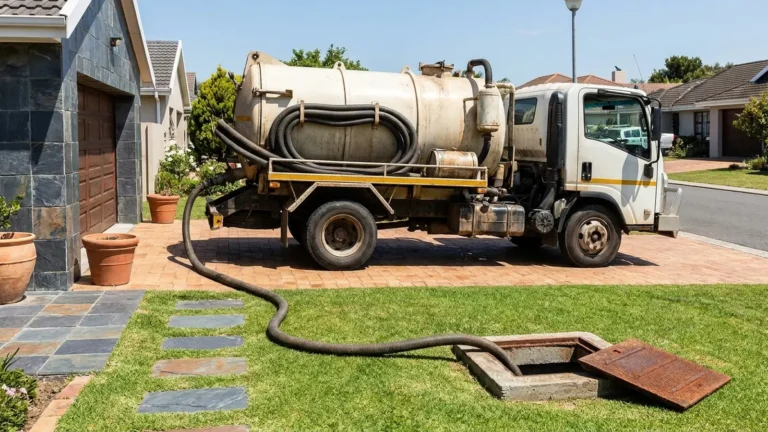
Septic Replacement: Read the Quote Before You Sign It
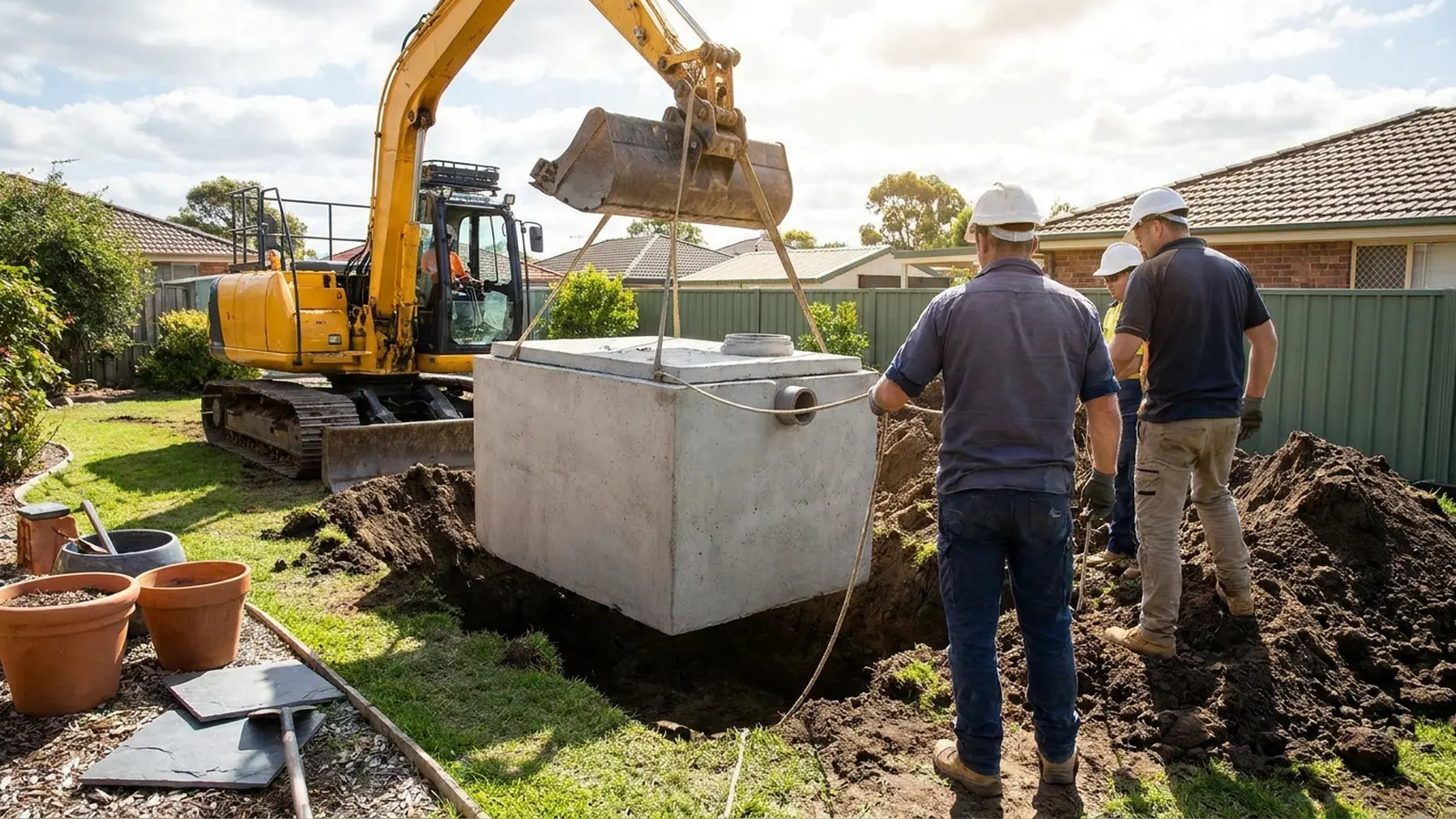
Say a homeowner gets a $6,000 quote to swap a tank. Then the crew lifts the lid, sees crumbling walls, and the number jumps to $16,000. One homeowner thread describes almost exactly that, and the first reaction is the one you would have: is this real, or am I being swindled?
Septic replacement is the one home repair where the price can swing by tens of thousands of dollars, and most of that swing has little to do with the tank. It comes from soil, permit rules and the drain field buried under your lawn. The field is usually the expensive part.
This guide treats the job as a decision path. You will see typical cost ranges and what drives them, how to tell a tank swap from a full system, how to compare three bids line by line, and what the calendar looks like from first call to final inspection. It is one piece of owning the systems behind your house, right next to replacing a hot water heater and dealing with a failing sewer line. The number is scary. It is rarely a mystery.
Executive Summary
You will finish this guide knowing what a fair septic replacement quote contains, which of the three jobs you actually need, and how to pay for it. The short version: the tank alone is often the cheapest part, the drain field is the cost multiplier, and your soil decides which system type the county will allow, not your installer’s mood.
Here is what you get below. A cost table built from contractor and lender sources, with the factors that move each line. A quote checklist with red flags. A realistic timeline, where design and permits take weeks and the install itself often takes one to two days. A plain answer on what happens to the old tank. And a decision rule for when the problem surfaces during a home sale.
The biggest objection is usually "I can’t afford this." Fair. Federal and state loan programs exist. Still, no article can price your lot. Treat every figure as a range and get three written bids.
What does septic replacement actually include?
Septic replacement can mean three different jobs: a new tank, a new drain field (also called a leach field), or a full system with both plus new piping and design work. Every version needs a local permit, a licensed installer and a final inspection. The label on your quote tells you which job you are paying for.
A septic system has two working parts. The tank holds wastewater long enough for solids to settle and grease to float. The drain field then spreads the liquid into soil, where bacteria finish the cleanup. When people say "my septic failed," the damage is usually in the field, because soil clogs with a biological mat over time. Tanks fail too, through cracked walls, broken baffles or a collapsed lid.
How do you know which one you have? Warning signs include sewage backing up into drains, gurgling pipes, odors, standing water over the field, and unusually lush grass there. None of these names the culprit by itself. A licensed inspector or pumper has to look inside the tank and probe the field. A regular septic tank pump out is often the moment problems get spotted, since the tank is empty and the walls are visible. The EPA recommends an inspection at least every three years and pumping every three to five years.
How much does septic replacement cost?
Contractor and lender sources put a tank replacement at roughly $3,000 to $7,000, a drain field at around $7,000 and up, and a full system at $10,000 to $25,000 or more. Prices run about 20 to 40 percent higher in the Northeast, on the West Coast and in dense suburbs. Treat these as ranges, not quotes.
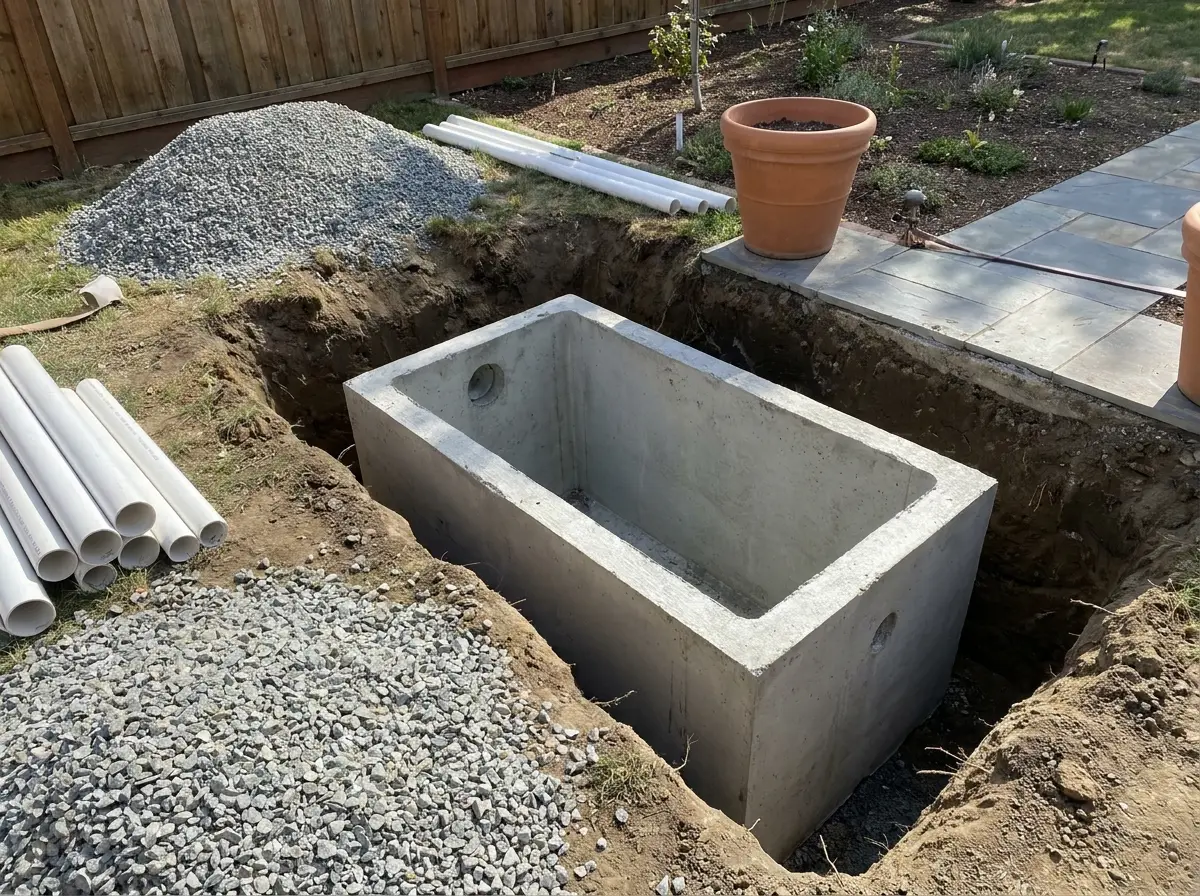
Those numbers come from commercial cost pages, so read them as a starting frame. Homeowner anecdotes stretch much wider, from about $8,000 total in one thread to $23,000 in Massachusetts. Anecdotes are not data, but the spread is real.
| Job | Typical range | What moves the price |
|---|---|---|
| Tank only | $3,000 to $7,000 | Tank size, material, access, risers |
| Drain field only | About $7,000 and up | Soil, field size, trees, slope |
| Full conventional system | $10,000 to $25,000+ | Design, permits, hauling, local labor |
| Mound, aerobic or drip system | Often above the conventional range | Pumps, controls, engineered design |
Here’s the part most people miss: the tank rarely drives the total. Bedroom count sets the required size, and soil tests set the field design. According to the EPA’s guide to system types, a high water table or shallow bedrock can force a mound system. That is site conditions, not an upsell.
Tank only, drain field or full system: which do you need?
Replace only the tank when the walls are cracked but the drain field still drains. Replace the field when the tank is sound but liquid pools or backs up. Go full system when both have failed, the old design no longer meets code, or the lot cannot support a like-for-like rebuild.
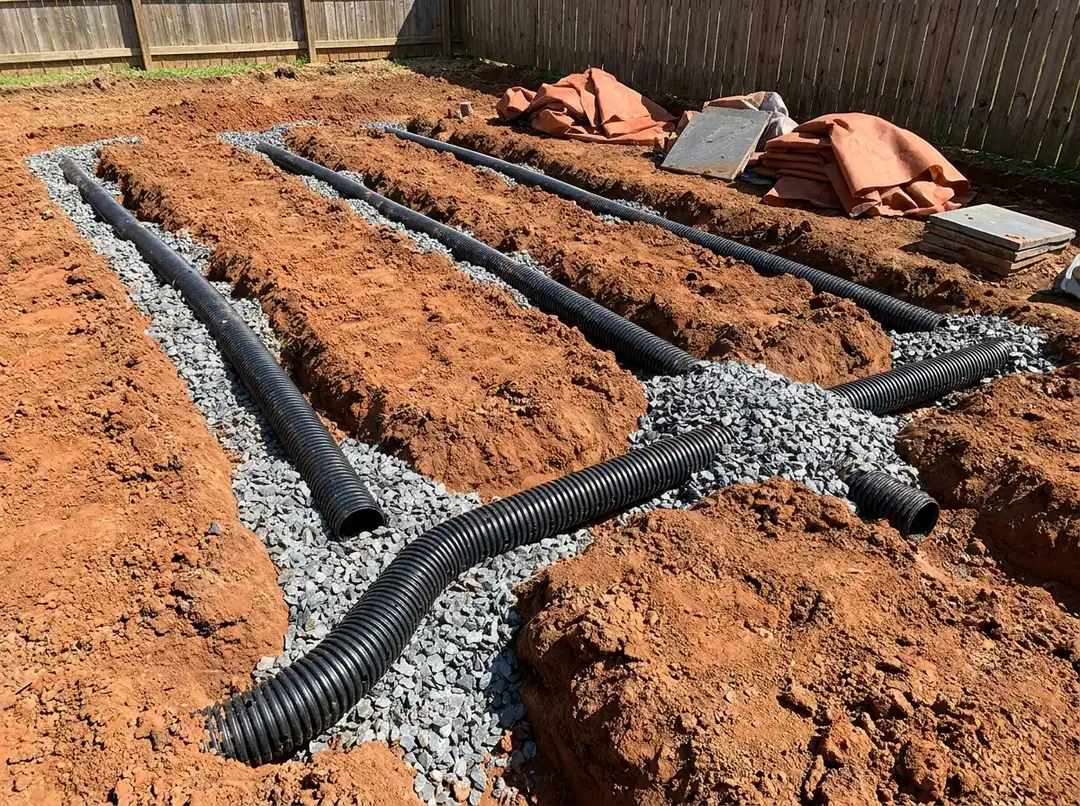
If the field is healthy, a tank-only swap is the cheapest honest fix, and a pro can often crush the old tank, set the new one nearby and reroute the lines. If the field is dead, a new tank will just feed a failed field. That is the classic mistake: paying for a shiny tank, then watching the yard flood again within a year.
Ask for a written finding on both parts. A "crumbling" tank finding is not automatically a scam, but a second inspector is cheap insurance against a five-figure regret.
How do you read and compare a septic replacement quote?
A good septic replacement quote itemizes design, soil testing, permits, tank, field or treatment unit, excavation, hauling, backfill and restoration. Collect three written bids, compare them line by line, and treat any lump-sum price with no tank size, system type or permit line as a red flag.

Most homeowners compare the bottom number, like comparing cars without checking for an engine. Hold every bid to this checklist:
- Tank size and material (concrete, plastic or fiberglass), with the gallon capacity matched to your bedroom count.
- System type, and the reason for it, such as soil or groundwater.
- Who pulls the permit and who pays the fees.
- Whether the engineer’s design and percolation test are included.
- What happens to the old tank, and who hauls waste.
- Yard restoration, including grading and seeding.
- Warranty terms in writing.
Say you get three hypothetical bids of $11,000, $14,500 and $19,000. The low one omits the permit and restoration, and the high one includes a mound you may not need. Ask the cheap bidder to price the missing lines before you judge.
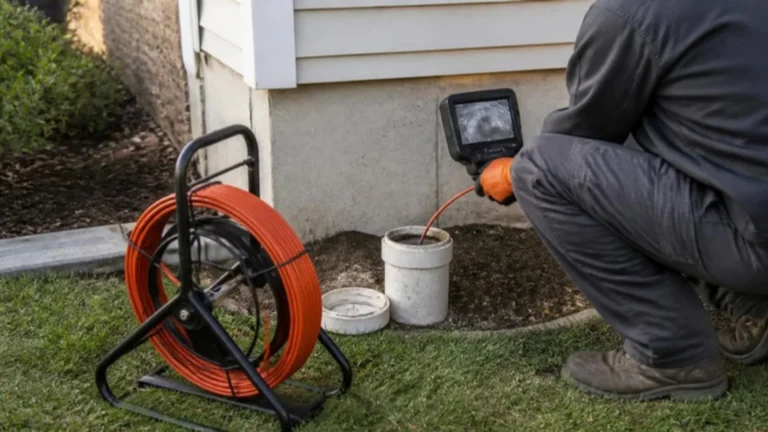
Red flags: pressure to sign today, cash-only discounts, no license number, or an installer who offers to skip the permit. An unpermitted system can block a future sale. A camera sewer inspection of the lateral line can also rule out a cheaper cause.
How long does septic replacement take from quote to final inspection?
Expect several weeks of paperwork before digging and about one to two days of installation for a typical replacement. Soil tests, system design and permit approval take most of the calendar. After the install, the health department inspects the work before the trench is backfilled and the system goes live.
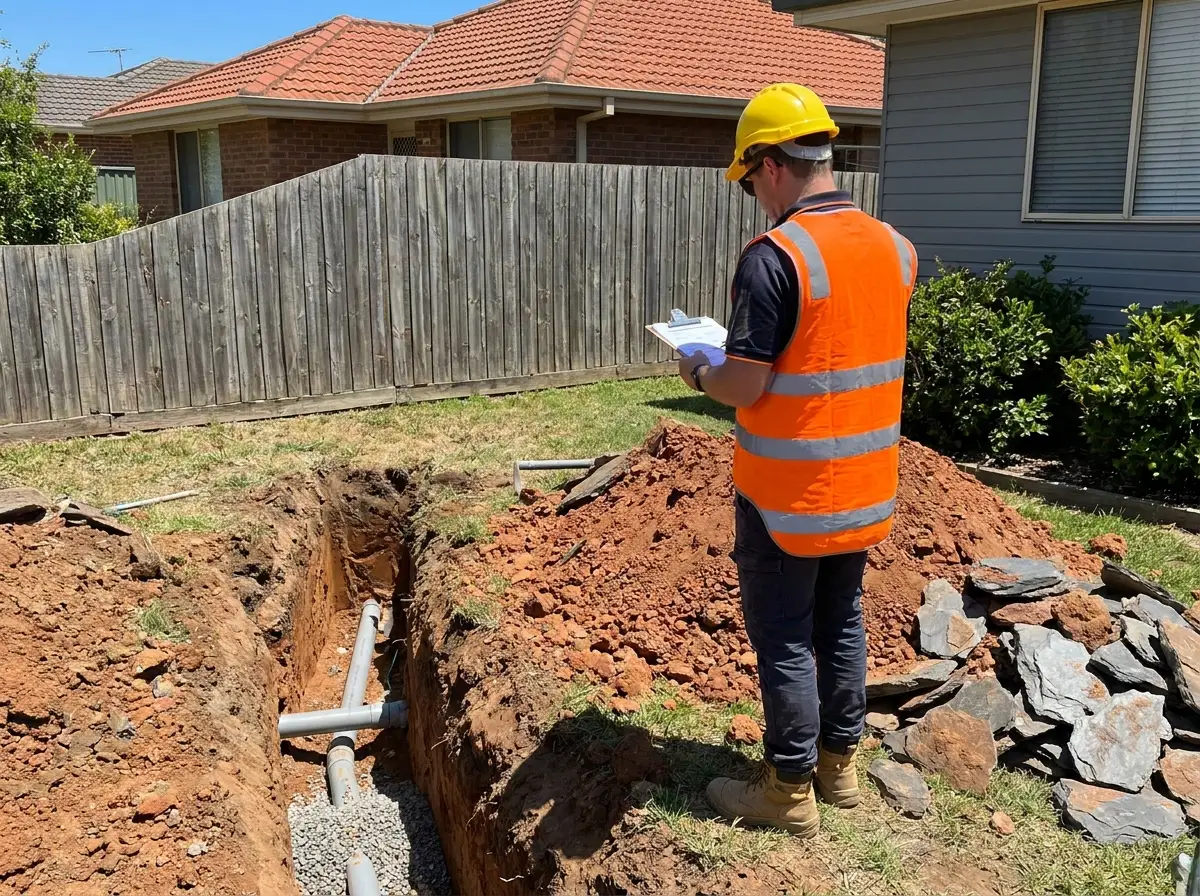
Homeowner threads describe the install itself as quick, one to two days, with permits and paperwork finished a few weeks earlier. Wet seasons or a busy county office stretch that.
A realistic order of events:
- Inspection finds the failure and a pro recommends a scope.
- Soil evaluation and percolation test.
- Design, then permit submission to the local health department.
- Utility locate. Call 811 before anyone digs.
- Excavation, tank and field installation.
- Health department inspection, then backfill and restoration.
Can you stay home during the work? Usually yes, with limited water use.
What happens to the old tank and your yard?
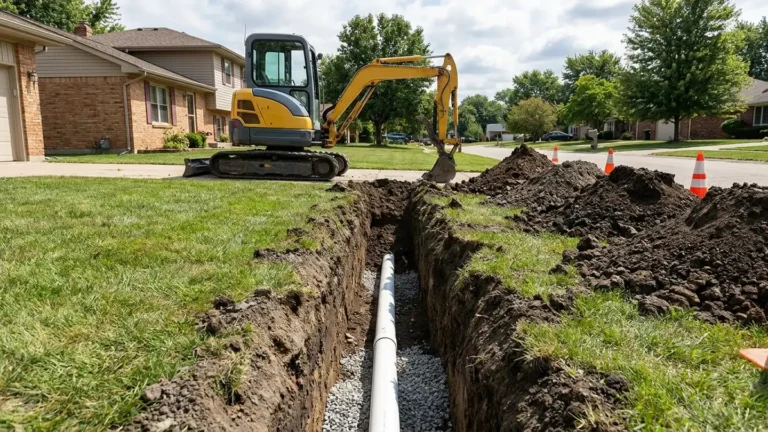
The old tank is typically pumped out, then crushed or filled and buried in place, or hauled away, depending on local rules. Expect torn-up lawn, a staging area for equipment and possibly some trees to move. If the soil around the old tank is contaminated, that can add cost and may need removal.
Surprises hide here. In one thread, an installer crushed the old tank, set the new one nearby and relocated the lateral lines because trees had grown over the original field.
Budget for the yard. Heavy machinery typically compacts soil, so the lawn may take a season or more to look normal. Ask who handles any contaminated soil, since cleanup can be a separate cost.
How do you pay for a new septic system, and does insurance help?
Standard homeowners insurance usually excludes septic failure from wear and tear, so most owners pay out of pocket or borrow. Options include USDA repair loans up to $20,000 and grants up to $7,500, Michigan’s Septic Replacement Loan Program, 1 percent SERCAP loans up to $15,000 in rural areas, and home equity borrowing.
Those figures come from the EPA’s funding page, and eligibility varies. A $15,000 loan at 1 percent over 20 years works out to roughly $69 a month according to one financial-assistance guide, which beats most credit cards by a wide margin.
Insurance is the harsh reality check. In one New York homeowner thread, the insurer refused a crumbling tank and also would not cover contaminated soil. Check each program’s rules before you sign a contract, because some require approval before work starts.
What if the failure shows up during a home sale?
Some states and counties require a septic inspection at sale, and a failed result must be fixed or negotiated with the buyer. Your choices are to replace before closing, give the buyer a credit or escrow, sell as-is to an investor, or connect to public sewer if it is available. Local rules vary.
A first-time buyer in Massachusetts described a failed Title 5 inspection and a $23,000 bid, with few licensed contractors in the county. A poster in North Carolina reported about $7,000. Local competition matters as much as soil for septic replacement prices.
Sewer hookup deserves a quote when mains run nearby. One estimate in the threads puts septic ownership at about $1,000 a year over its life, which makes a connection fee look better on paper. But trenching to the main may cost more than a new tank, so price both. Our guide to replacing a sewer line covers that side.
Frequently Asked Questions
How often does a septic system need replacing?
There is no fixed number. Lifespan depends on soil, usage, tank material and maintenance, and most sources give wide ranges, so be wary of a flat figure. Inspect at least every three years and pump every three to five, per the EPA. A well-kept system often outlasts a neglected one by years. See the pump-out timing guide.
Can I replace only the tank?
Yes, if the drain field is still working. A tank-only swap is often the cheapest fix, with one New Mexico homeowner reporting $4,600. The catch is that someone has to confirm the field is healthy first. Skipping that check is how people pay twice. Ask for a written inspection of both parts before ordering a tank.
Can I do septic replacement myself?
Rarely, and in many places not legally. Most counties require a licensed installer, a design and a permit, and the health department inspects before backfill. Some homeowners report doing tank swaps with borrowed equipment for far less money. If you try, check local rules first, because an unpermitted system can block a sale or insurance claim.
How long does septic replacement take?
Installation often takes one to two days, but the calendar runs longer. Soil testing, design and permit approval usually take a few weeks before any digging begins. Wet weather or a backed-up county office adds more time. Ask your installer for a written schedule, including the final inspection date.
Is a $16,000 quote a scam?
Not automatically. A quote that doubles after the lid comes off may reflect real tank damage, but a second opinion is cheap insurance. Ask for photos of the damage and an itemized scope. Compare it with two other bids before signing. Our sewer inspection guide shows how camera checks can verify what a crew claims.
Does homeowners insurance cover septic replacement?
Usually not. Policies commonly exclude wear and tear, and in one New York thread the insurer also refused contaminated soil. Coverage might apply if a covered event damages the system, but that depends on the policy. Read your policy and ask the agent directly before any septic replacement work starts. Photograph everything.
Are there grants for septic replacement?
Yes, for qualifying owners. The EPA lists USDA repair loans up to $20,000 and grants up to $7,500, plus Michigan’s Septic Replacement Loan Program and SERCAP loans in rural areas. Income and location limits apply. Check each program’s rules before signing a contract, because some require approval before work starts.
Do I need a permit?
Yes, almost everywhere. Septic work is regulated locally, usually by the county or state health department, and rules vary widely. The permit also triggers the design review and inspections that protect you at resale. Any installer who offers to skip it is giving you a reason to walk away, since an unpermitted system can block a sale.
Can I live in the house during replacement?
Usually yes, but plan for limited water use while the system is offline. The install often takes one or two days. Ask your installer when toilets, showers and laundry can run again. For a longer job, a short stay elsewhere may be easier on the household.
Do septic additives fix a failed drain field?
No, that is a myth. Additives cannot unclog soil that has been saturated for years or rebuild a collapsed tank. The EPA’s care advice focuses on pumping, inspection and keeping wipes and grease out. A clogged indoor line is different, and our shower drain guide handles that.
Conclusion
The quote is not the whole story. Septic replacement is a chain of decisions: which part failed, which system your soil allows, who gets the permit and how you will pay. The tank is the cheap, visible piece. The field, the design and the paperwork are where the money goes, and they are where smart comparison saves thousands.
Your next step is simple. Book a licensed inspection of both tank and field, collect three itemized bids and run each through the checklist above. Apply for any loan or grant before signing.
Maintenance is the best defense, so keep a pump-out schedule.
So, when did you last lift that lid and look?