Septic Tank Pump Out: What It Costs and What to Check First
Six inches. Twelve inches. Twenty-five percent. Those three measurements decide whether your septic tank pump out is due, and almost no homeowner has heard them. Instead, most of us get a vague "every few years" from a neighbor and a quote that lands somewhere between $300 and $2,000.
Say a homeowner buys a rural house and the seller shrugs when asked about the lids. Two winters later the toilets gurgle. A truck arrives, a bill follows, and the real fault is a clogged baffle, not a full tank. That story shows up in homeowner threads again and again.
This is one part of keeping your home’s wastewater systems healthy, alongside a sewer inspection. Below you’ll get the cost drivers, a pre-visit checklist, and a way to check before you pay.
Executive Summary
A septic tank pump out removes the solids that build up in your tank so they don’t escape into the drain field. For most households it’s needed every 3 to 5 years, but the calendar is only a starting point. The EPA gives you a measurable test instead, and it takes just a short check with the lid open.
Cost is where people get burned. The nonprofit RCAP puts a routine maintenance pump out at roughly $250 to $500, yet homeowners report bills many times higher once buried lids, long hauls, weekend rates or bundled "service contracts" enter the picture. You’ll learn what builds the price, how to dig out your lids and save, and what a good crew checks while the tank is open.
The biggest objection is "can’t I just wait until something goes wrong?" You can. It’s a gamble with lopsided odds, and the math is below.
What actually happens during a septic tank pump out?
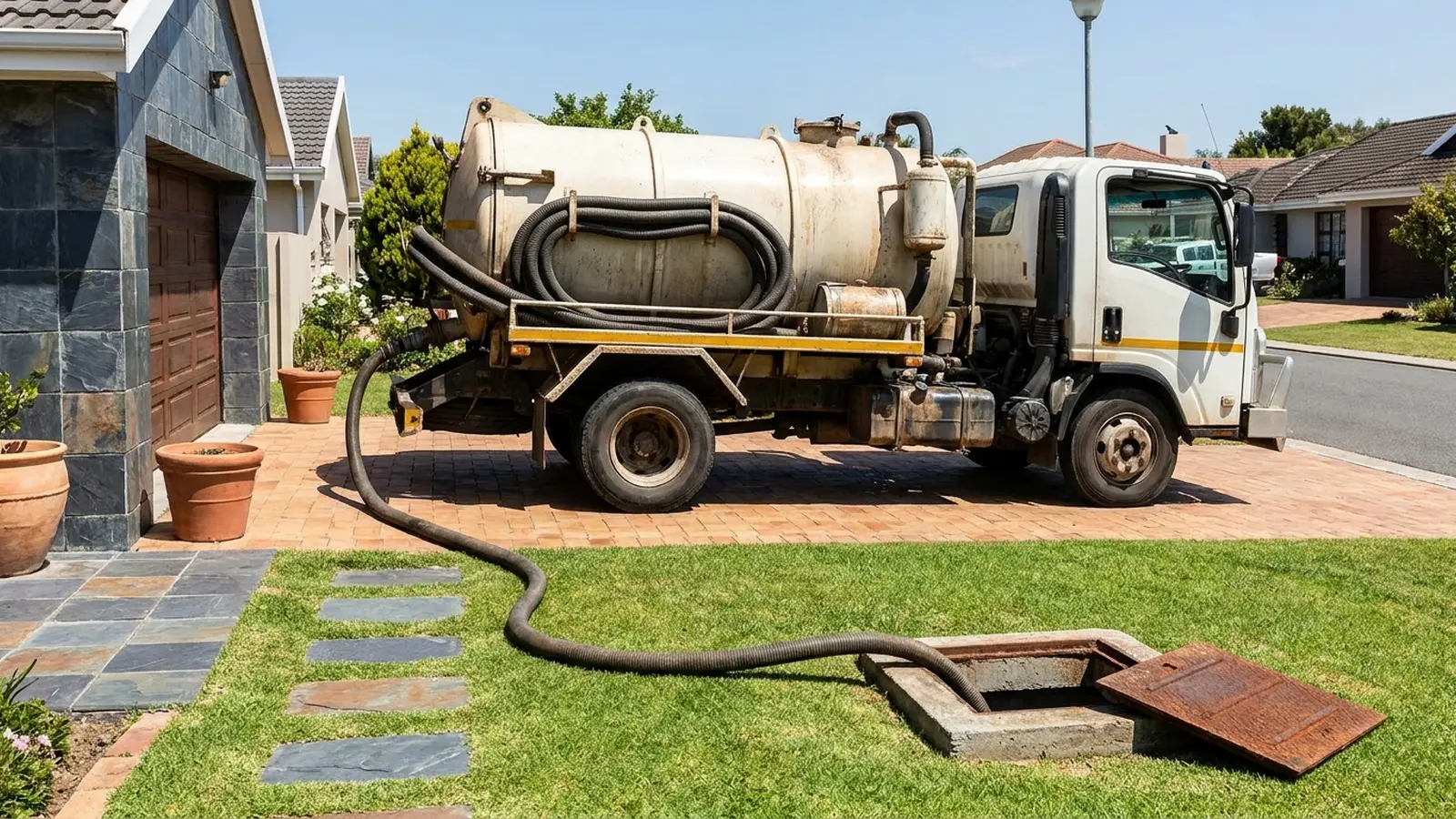
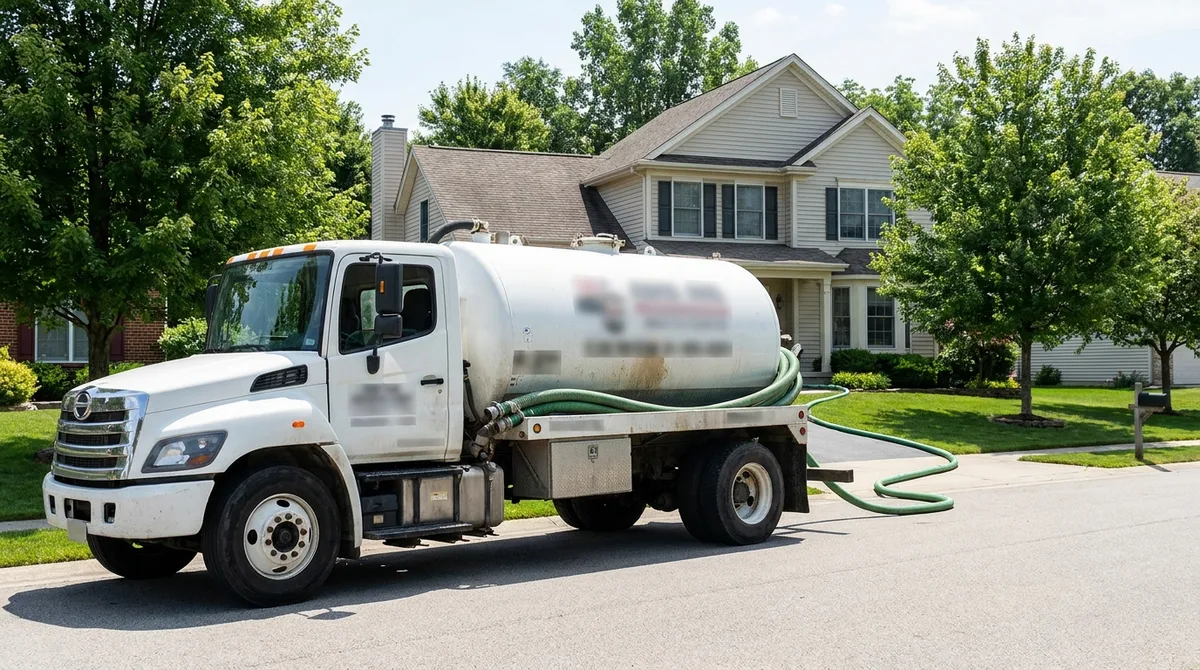
A licensed hauler opens the tank lids, breaks up the crust with a hose or pump, and vacuums out liquid, sludge and scum into a sealed truck. The crew then checks the baffles and the liquid level, closes the lids and hauls the waste to an approved disposal site. How long it takes depends on access and tank size.
The hose is the part people forget. Trucks usually carry about 150 feet of it, so tell the company where the tank sits when you book. Virginia Tech Extension notes that time depends on access and tank size. Buried lids add digging, and digging adds hours. That’s the first hint of where the money goes.
What gets pumped out, and what should stay in the tank?
Your tank holds three layers. Sludge settles on the bottom, scum floats on top, and a middle layer of liquid effluent flows out to the drain field. The pump out removes the sludge and scum along with most of the liquid. A good crew leaves a thin heel of material behind so helpful bacteria keep working.
Bacteria break down part of the solids, which is why a healthy tank only needs service every few years. A tank pumped bone dry isn’t better. Treat the tank like a small living system and not a bin.
How often should you schedule a septic tank pump out?
Plan a septic tank pump out every 3 to 5 years for a typical household, according to the EPA and Virginia Tech. The EPA also says to have the system inspected at least every 3 years. Households with a garbage disposal, many people or heavy water use should lean toward the short end.
Some states advise more frequent pumping when a garbage disposal is in use, so check your local guidance. Alternative systems with pumps, floats or other mechanical parts should be inspected about yearly.
Forums split here. One septic company says every 2 years, the crowd says 3 to 5, and old-timers brag about 10 to 20. Some tanks survive that long. I wouldn’t bet a drain field on it.
How can you measure sludge instead of guessing?
Ask the pro to measure. The EPA says a tank needs pumping when the bottom of the scum layer sits within 6 inches of the bottom of the outlet, when the top of the sludge sits within 12 inches of the outlet, or when sludge and scum together exceed 25 percent of the liquid depth.
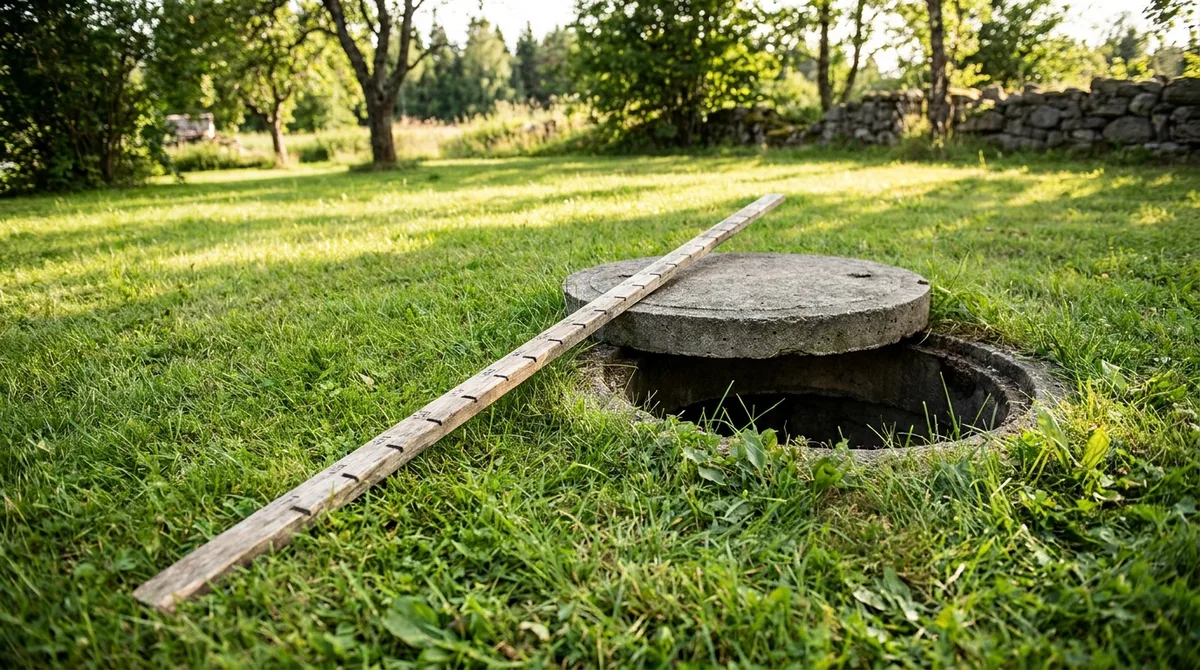
Those numbers turn an argument into a measurement. A small household in a big tank might pass at year six, while a crowded house may fail at year three.
Decision rule: if the last service is older than 3 years, pay for an inspection with sludge measurement first. If the numbers pass, wait and re-check. If they fail, book the pump out.
What are the signs your tank is due, and when is it something else?
Common warning signs are slow drains, gurgling pipes, sewage odor, pooling water over the field, and unusually lush green grass above it. Sewage backing into the house is the final alarm. But a full tank is not the only cause, so confirm the cause before you pay for a septic tank pump out.
A common version of this mistake goes like this. Drains back up on a Saturday, the emergency crew pumps the tank, and the problem returns because the clog sits in the pipe between the house and the tank. One Reddit thread describes a baffle packed with waste that needed clearing along with the pump out, and another homeowner reports paying about $1,000 for weekend clog work.
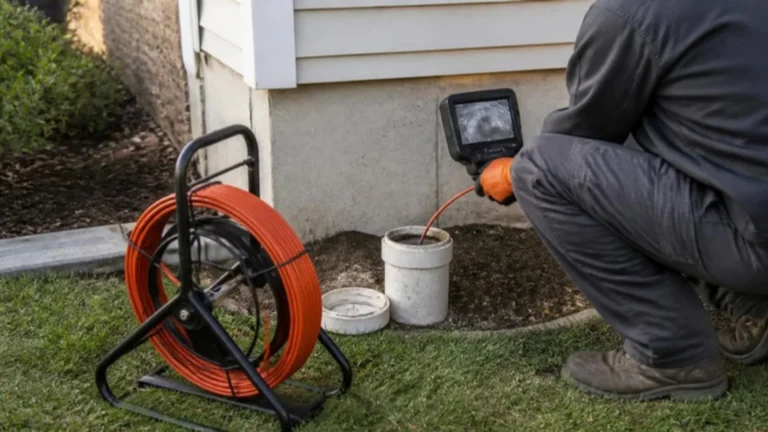
Quick triage: one slow fixture points to a local clog, every drain slow plus gurgling points to the tank or the pipe leading to it, and wet, smelly soil over the field means drain field stress. A camera run of the line can show whether the pipe is the real culprit.
How much does a septic tank pump out cost?
A routine septic tank pump out typically runs about $250 to $500, according to the nonprofit RCAP. Homeowner reports stretch wider, from roughly $300 to $2,100 once weekend work, buried lids, long hauls or bundled contracts are included. Treat those higher figures as examples of what can go wrong, not as guarantees.
Here are the figures this article leans on, with where each comes from:
| Item | Typical figure | Source or basis |
|---|---|---|
| Routine maintenance pump out | $250 to $500 | RCAP |
| Reported 1,500-gallon tank | around $375 | Homeowner thread, anecdote |
| Weekend or clog work | $900 to $1,000 reported | Homeowner threads, anecdote |
| Bundled aerobic service contract | $2,100 reported | One thread, red flag |
| Full system replacement | $5,000 to $20,000+ | RCAP |
Only the RCAP lines are firm. The rest are single bills.
Why do quotes range from $300 to $2,100?
Five things move the price: tank size, how easy the lids are to reach, how far the truck hauls to the dump, whether you call on a weekend or in an emergency, and what add-on work gets bundled in. Knowing these lets you compare quotes fairly instead of guessing which one is padded.
Bigger tanks cost more because trucks charge by volume. Buried lids need digging. Some companies reportedly drive far to reach a legal dump, and that cost lands in the quote.
Is a high quote always a scam? No, neglected tanks take more work. The red flag is a big "service contract" or repair bundle sold on the spot. Get three written quotes that list tank size, lid work and disposal fees line by line.
Before signing anything, check the contract. The written scope should name the tank size, the work included and the total price. Be wary of bundles pitched on the spot, such as a service plan or repair package you didn’t ask for. A fair company will let you take the paper home and compare.
What should you do before the truck arrives?
Find and uncover the lids, gather your septic records, and note the tank size and compartments. Digging them up yourself can cut the visit time. Install risers if the lids are buried deep, because they bring the access point up to ground level and spare you from digging every cycle.
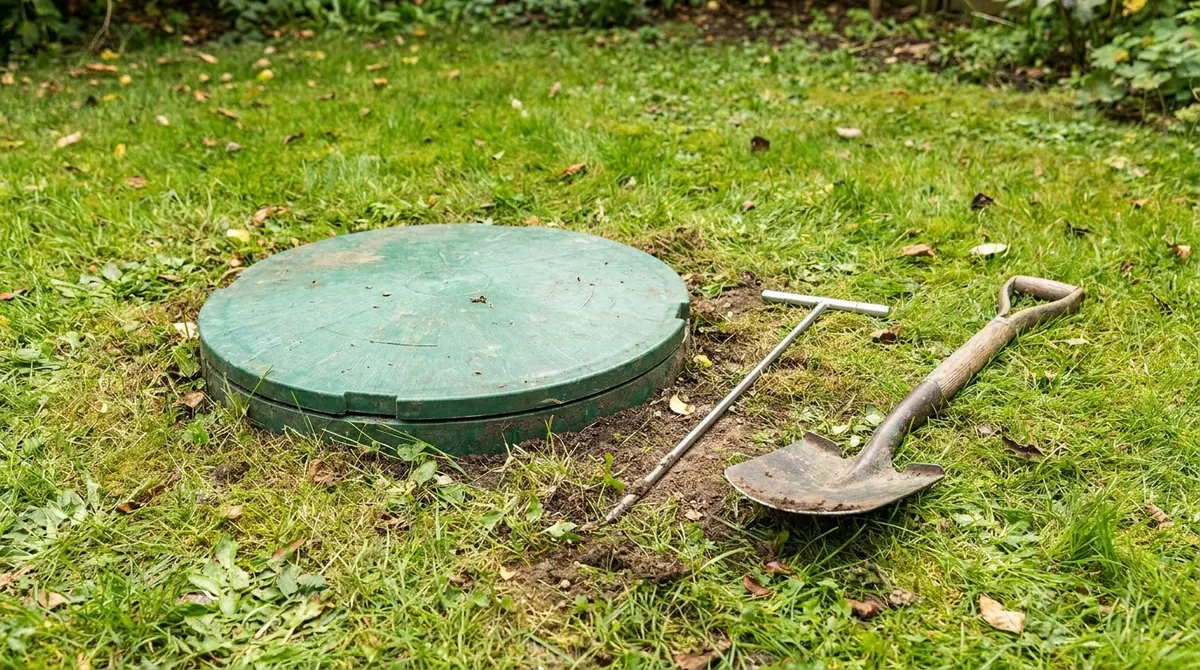
A probe rod, a county as-built drawing or old closing papers usually points to them. Never stand on a rotted lid or lean over an open tank.
Also pull your records (size, last service, repairs), move cars out of the hose path, and ask what the final cost includes.
What should a good crew check while the lid is open?
A good crew inspects the inlet and outlet baffles, cleans or checks the effluent filter, notes the liquid level before and after pumping, and looks for cracks or leaks in the tank. Ask for a written receipt listing gallons removed and anything they found, since a pump out doubles as a look inside.
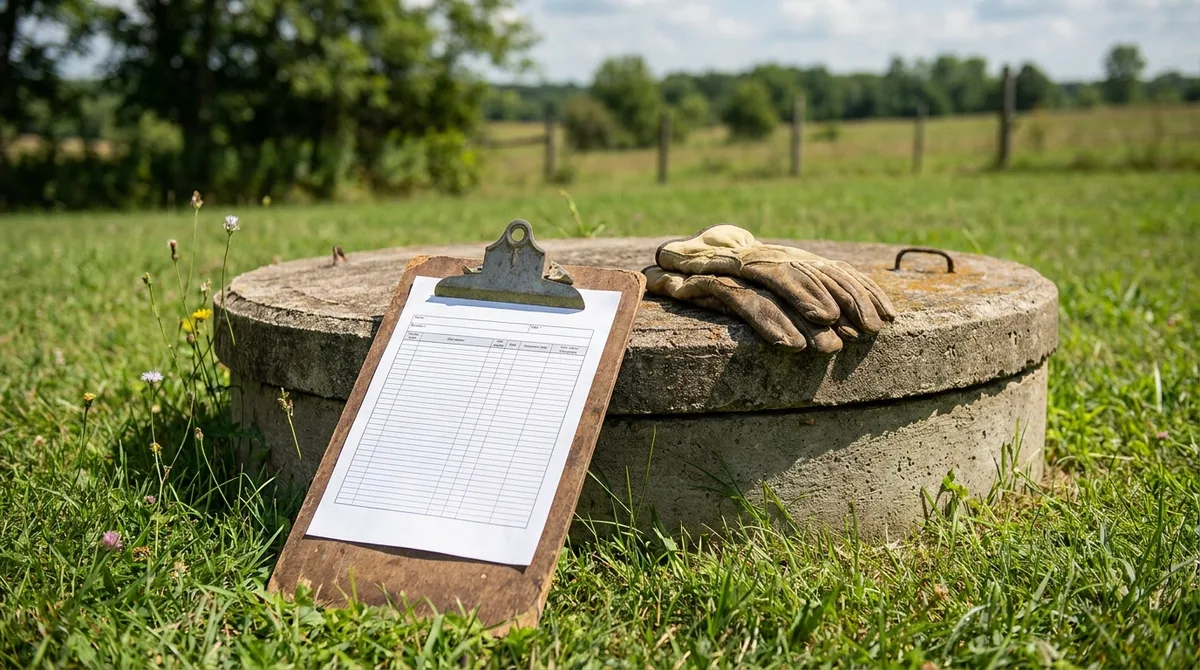
The baffles keep solids from drifting toward the drain field. If one is broken or clogged, a pump out alone won’t fix it. Liquid level is a clue too. A level well above the outlet may mean a blocked line toward the field, and a level that drops back fast may mean a leaking tank. Both belong on that receipt.
Can you pump your own septic tank?
No. Septic tanks produce hydrogen sulfide and methane, which can be deadly in a confined space, and a tank is exactly that. Pumped waste also needs legal disposal, which only licensed haulers can provide. Do the safe prep yourself, like uncovering lids, and leave the opening and pumping to a pro.
Never climb in or lean over an open tank. Rules for haulers, disposal and who may open a tank vary by state and county, so check local requirements and ask whether your hauler is licensed.
Do additives let you skip pumping?
No. Additives like RID-X or yeast do not replace pumping, and RCAP is skeptical that they help at all. Solids that bacteria can’t break down still pile up. Spending money on a monthly additive often costs more than the pump out it was meant to delay.
Tidy-bowl style in-tank cleaners can even kill the bacteria you rely on. I’d put that money toward a riser instead.
What should buyers and new owners do about pumping?
Ask for the pumping and inspection records before closing, and consider scheduling a pump out right after you move in. It resets the clock and shows whether the previous owners flushed wipes or grease. Some states have seller rules, so check the local requirements.
One Reddit commenter suggests pumping on move-in to find out. A home inspection may include a dye test or camera check, and it’s worth asking.
What does skipping a pump out really cost?
A pump out every 4 years at $250 to $500 comes to about $1,250 to $2,500 over 20 years. Replacing a failed system runs $5,000 to $20,000 or more, according to RCAP. Skipping can work for years, but the downside dwarfs the savings. Septic tank pump out math favors the schedule.
Habits that stretch the interval: toss wipes in the trash, keep grease out of the drain, spread laundry across the week, and fix running toilets fast. Keep cars off the field, and skip deep-rooted plants over the lines. A tree such as an olive tree belongs well away from the field.
Frequently Asked Questions
How long does a septic tank pump out take?
Time varies with the job. Virginia Tech notes that time depends on access and tank size. Buried lids, a large tank or a thick, neglected sludge layer add time. Clearing the lids before the truck arrives is the easiest way to shorten the visit and the bill.
Can I use the water during pumping?
Ask your hauler, since practices differ. Many crews prefer that you hold off on laundry and long showers during the visit while they work. Plan heavy water use for before or after, and follow whatever your hauler says. No published rule backs one single answer, so a quick question when you book is the safest route.
Is pumping every 2 years necessary?
Usually not. The EPA and Virginia Tech both point to 3 to 5 years for typical homes. A yearly or two-year schedule makes sense for a crowded house, a heavy disposal user or an alternative system with mechanical parts. Ask for the sludge measurement before agreeing to a shorter cycle.
Should I pump before buying a house?
Often yes, or at least request the records. A pump out on move-in shows the tank’s condition, resets the schedule and reveals whether past owners flushed wipes. Some states require seller inspections or pumping, and rules vary, so ask your agent or county health office. A camera check of the sewer line is a smart add-on.
Will RID-X or yeast replace pumping?
No, that’s a myth. Additives don’t remove the solids that settle in your tank, and RCAP is skeptical about their value. Only pumping takes sludge out of the system. Save the money, and spend it on lids, risers or the next scheduled septic tank pump out.
Do flushable wipes hurt a septic tank?
Yes, despite the label. Wipes don’t break down like toilet paper, so they build up as sludge or jam baffles and pumps. Septic guidance commonly warns against flushing them. Put them in the trash instead, and your time between pump outs stays longer. Grease and thick paper towels behave the same way.
Should the tank be pumped bone dry?
No. A thin layer of settled material helps the bacteria that keep digesting waste. People in the trade often point to the same thing. A good crew removes the bulk and leaves a small heel. If someone insists on scraping the tank spotless, ask why before you agree.
How do I find my septic tank lid?
Start with paper: the county permit, as-built drawing or closing documents. Then probe the soil with a thin metal rod starting where the main drain leaves the house and following that line outward. Look for a slight mound or greener grass. A pro can also locate it with a tracking tool.
What does an emergency pump out cost?
Expect more than a scheduled visit. Homeowner reports run from about $900 to $1,000 for weekend work, though prices vary by region and company. Rule out a simple clog first, since a full tank isn’t always the cause, and ask for the quote in writing before the truck starts.
What is the most common cause of septic failure?
Neglect. Solids that are never pumped reach the drain field and clog the soil, and misuse like wipes, grease and heavy water loads speeds it up. A tank that is inspected on schedule seldom fails without warning. The cheapest insurance is a measured, regular service.
Conclusion
A septic tank pump out is not a mystery chore. It’s a measured service with a typical 3 to 5 year rhythm, a price you can predict, and a useful look inside the tank. Find your lids, ask for the sludge test, get three written quotes, and check for a clog before you pay for a full pump.
That brings us back to the homeowner with gurgling toilets. With a measurement and a receipt, the story ends with a $300 service in place of a $1,000 surprise. Keep a tidy service file with every receipt, because it helps you and any future owner.
Your next read could be our sewer inspection guide for the pipes that lead to your tank. So when did anyone last check where your lids actually are?