Hot Water Heater Replacement: Costs, Types and How to Avoid Overpaying
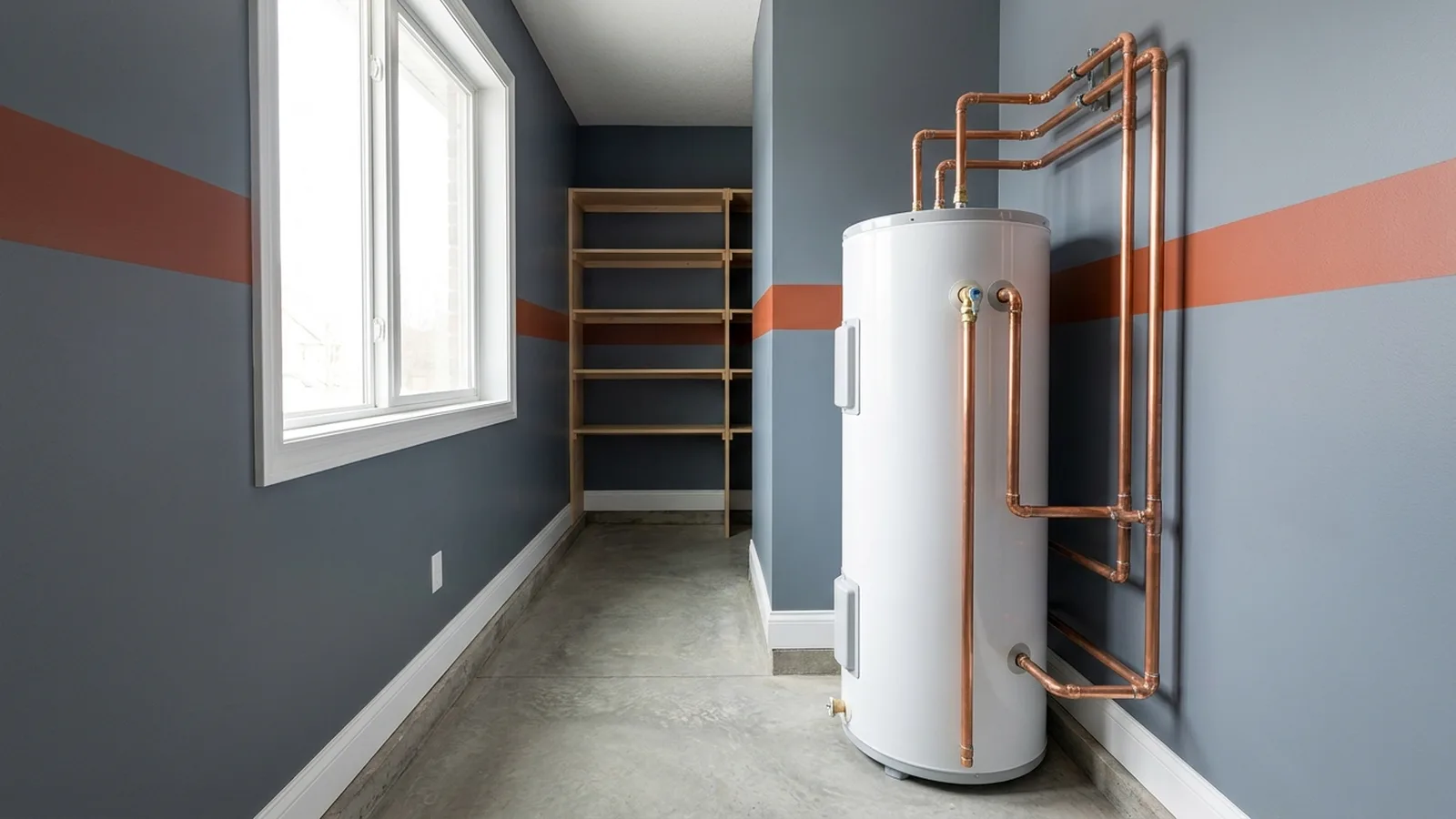
A tank water heater is built to run roughly 10 to 15 years. When yours quits, you often have a day or two to approve a purchase that can swing by thousands of dollars for what is usually a two-hour job. That’s the trap. Hot water heater replacement feels urgent, so people say yes to the first quote that arrives.
This guide gives you the decision rules to avoid that, from what pushes a bid up to sizing, reading a quote, permits and when DIY is a bad idea. Local codes vary, so confirm every rule with your city or county.
Quick answer
- Expect roughly $1,200 to $4,000 installed for a standard tank. Fuel type, venting, code add-ons and local labor drive the spread.
- Get three written quotes that list the same items, even if your heater failed overnight.
- Hire a licensed pro for gas, venting and new electrical circuits, and ask who pulls the permit.
How do I know it’s time for hot water heater replacement?
Plan a hot water heater replacement when the tank itself leaks, when the unit is past roughly 10 to 12 years and misbehaving, or when repairs keep piling up. A leak from the tank body can’t be patched. Rusty hot water, rumbling noises and lukewarm showers are the other common warning signs.
Retail install guides put typical tank life at 10 to 15 years, while Rheem leans closer to 8 to 12. Hard water shortens it. The rating plate lists the serial number, and the manufacturer’s website or the label itself should explain how to read the date.
- Water pooling at the base. A weeping fitting is fixable. Water seeping from the tank shell is not.
- Rust-colored hot water. If only the hot side runs rusty, the tank is likely corroding inside.
- Rumbling or popping. Sediment is trapped under the heating surface. A flush may help, but heavy buildup in an old tank usually means the end is near.
What should I do if it’s leaking or dead right now?
Shut off the cold-water valve above the heater. For an electric unit, turn off its breaker. For gas, follow the control label to turn it off, and if you smell gas, leave the house and call your gas utility from outside. Put a bucket under any drip.
Then slow down. You can live on kettle-heated water for a day or two while you collect quotes. A calm comparison usually saves more than same-day speed.
Should I repair or replace my water heater?
Repair when the fix is small and the tank is under about 10 years old. Replace when the tank leaks, the unit is near the end of its expected life or a repair would cost more than half of a new unit. Rheem uses that 50 percent rule, and it’s a sensible tiebreaker.
Cheap, common repairs include a bad thermostat, a failed heating element, a worn temperature and pressure relief (TPR) valve or a tired anode rod. They make sense on a younger tank and little sense on a 13-year-old tank sitting on a rusty floor.
Plumbers and homeowners online note that a dripping TPR valve often points to a missing or failed expansion tank rather than a bad valve. Have system pressure checked before you buy a new heater just to cure a drip. And if your unit is 12 to 14 years old and still working, plan ahead. Line up quotes and put a cheap water alarm on the floor nearby. Planned swaps cost less than emergency ones.
How much does hot water heater replacement cost in 2026?
Typical installed prices run from about $1,200 for a basic electric tank to $4,000 or more for a gas unit with complications. Tankless gas and heat pump models can land higher. The table uses published 2026 averages from one plumbing company’s cost guide, so treat them as ballparks, not a quote for your zip code.
| Type | Typical installed average | Published range |
|---|---|---|
| Electric tank | about $1,500 | $1,200 to $3,000 |
| Gas tank | about $2,000 | $1,300 to $4,050 |
| Electric tankless | about $1,900 | varies with electrical work |
| Gas tankless | about $4,250 | varies with venting and gas line |
| Heat pump (hybrid) | about $3,000 | $2,000 to $6,300 |
Water heater replacement cost splits into equipment and labor. A. O. Smith’s cost guide lists electric tank units at $400 to $750 and heat pump models at $2,000 to $3,000 for the equipment alone. Labor for a simple swap runs $200 to $400 in that guide and $400 to $700 in the plumber’s guide.
Homeowners report a wide spread on near-identical jobs. Some describe $1,600 to $2,100 for a same-day 50-gallon swap. One owner of a 20-year-old unit that failed overnight reported paying about $4,200. Another described a $4,800 quote that included an expansion tank and code work. None of these are guarantees, but a quote far above the typical band needs an explanation.
What makes one water heater replacement quote higher than another?
Venting, fuel changes, code upgrades, hard-to-reach locations and the contractor’s business model do most of the damage. Knowing the line items lets you ask the right question when a number looks odd.
- Venting. A. O. Smith’s guide puts new venting at roughly $500 to $1,000.
- Fuel swaps. Gas to electric needs a 240-volt circuit. Electric to gas needs a gas line and a proper vent. Both are often licensed work, depending on your state, so confirm locally.
- Expansion tank. Many closed plumbing systems need one to absorb pressure from heated water, and some local codes require it at replacement.
- Permit and removal. The same guide lists $100 to $500 for a permit and $100 to $400 for haul-away if they’re not bundled in.
- Location. Attics, crawlspaces and upper floors take longer, and Lowe’s lists extra fees for tight spots.
- Emergency rates. You pay more when you can’t wait.
Homeowners also warn about company type. Several say large outfits with billboards and memberships quoted far above small local shops for the same unit. That’s anecdotal, but it’s a good reason to put a small independent plumber in your three quotes.
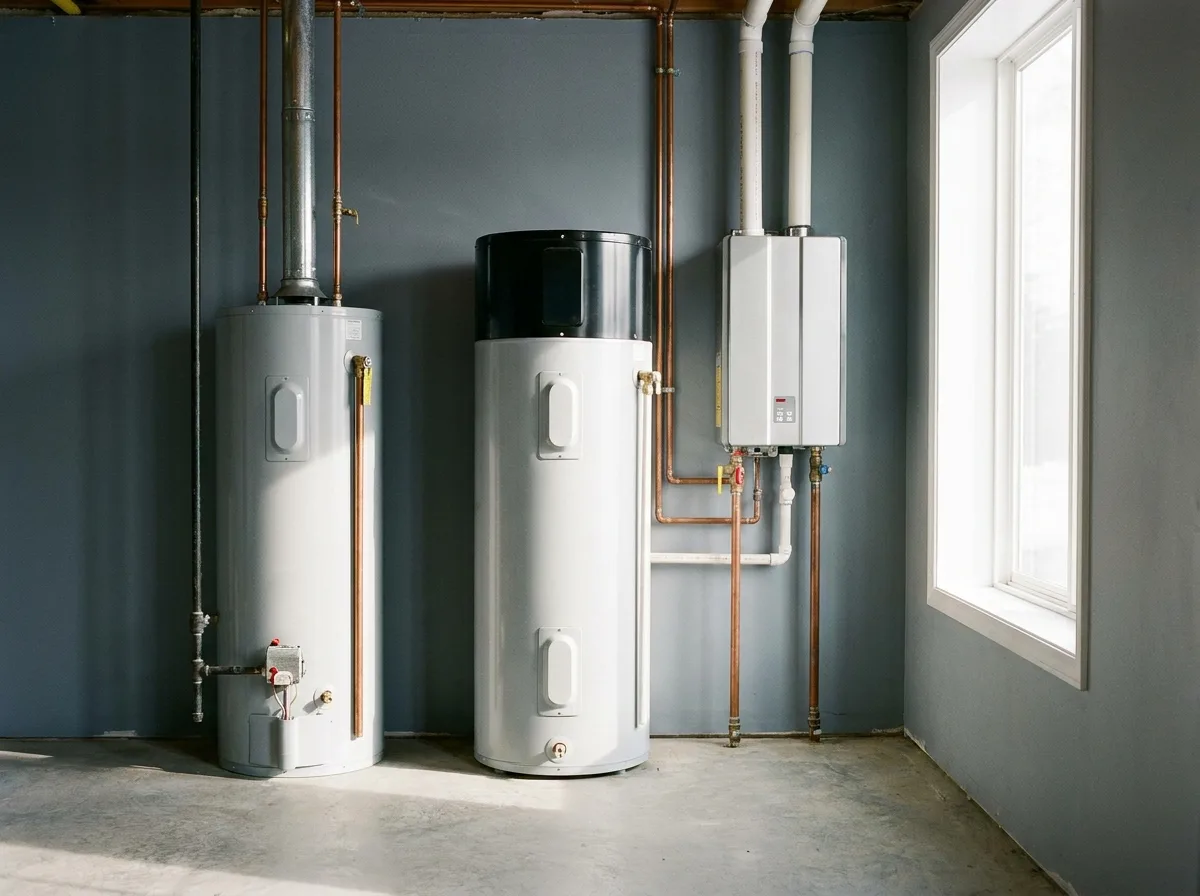
Which type should I choose: gas tank, electric tank, tankless or heat pump?
Choose the same fuel and type you have now unless you have a clear reason to switch. A like-for-like swap is the cheapest and fastest. Switch only when you’d save meaningfully on running costs or need more capacity.
| Type | Pick it if | Watch out for |
|---|---|---|
| Gas tank | You already have gas and venting and want lower running costs than electric | Venting condition, gas line work |
| Electric tank | You have no gas or want the simplest install | Higher running cost in many homes |
| Gas tankless | Space is tight and you can fund venting and gas line upgrades | High upfront cost, descaling in hard water |
| Electric tankless | Hot water needs are small and your electrical service is strong | Heavy power draw, panel upgrades |
| Heat pump | You want to cut electricity use and have room and warm air around the unit | Larger size, clearance needs, higher price |
A. O. Smith’s guide shows yearly running costs, assuming 64 gallons a day, of about $202 to $315 for gas, $668 for standard electric and $176 for hybrid. The Department of Energy’s FEMP guidance says an ENERGY STAR heat pump water heater, with a UEF (uniform energy factor) of 3.3, uses about 984 kWh a year against 3,437 kWh for a standard electric model. It calls the premium cost-effective when it’s under $2,500.
Homeowners who regret tankless usually expected instant hot water. It isn’t instant, because the pipes still need to flush through, and electric models can struggle in homes with heavy simultaneous use.
Specs matter more than brand. Rheem, A. O. Smith, Bradford White and State make mainstream tanks, and Rinnai and Navien are known tankless names. Compare UEF, warranty terms and local service.
What size water heater do I need?
Match tank size to your household, then check the first hour rating (FHR). Home Depot’s guidance is a good start. One to two people can use up to 30 gallons, two to four people about 38 to 40, three to five people about 47 to 50 and five or more about 55 or larger.
FHR tells you how many gallons the heater can deliver in a busy hour, and it’s on the yellow EnergyGuide label. For a family that showers back to back, FHR matters more than tank size. Don’t automatically upsize. If your current heater served you well for a decade, the same size is usually right.
Where should I buy and who should install it?
You have three routes: a big-box store with an install service, a local plumber who supplies the unit, or buying the unit yourself and hiring someone to set it. Each trades price, convenience and accountability differently.
Big-box install (Home Depot, Lowe’s). Both advertise an install that covers disconnecting the old unit, handling the permit and hauling it away, with a 2 to 3 hour window. You get a clear package and a retailer to call afterward. Homeowners disagree on how closely the work is supervised, since installs often go to local contractors.
Local plumber. A good independent brings judgment about code, venting and your house’s quirks. Prices vary widely, so ask for a license number and proof of insurance.
Buy it yourself. This can save money, but some installers won’t warranty labor on a unit they didn’t supply. Online claims that supply-house tanks beat big-box tanks aren’t proven. Compare warranties and specs wherever the unit is sold.
How do I read a quote and spot a rip-off?
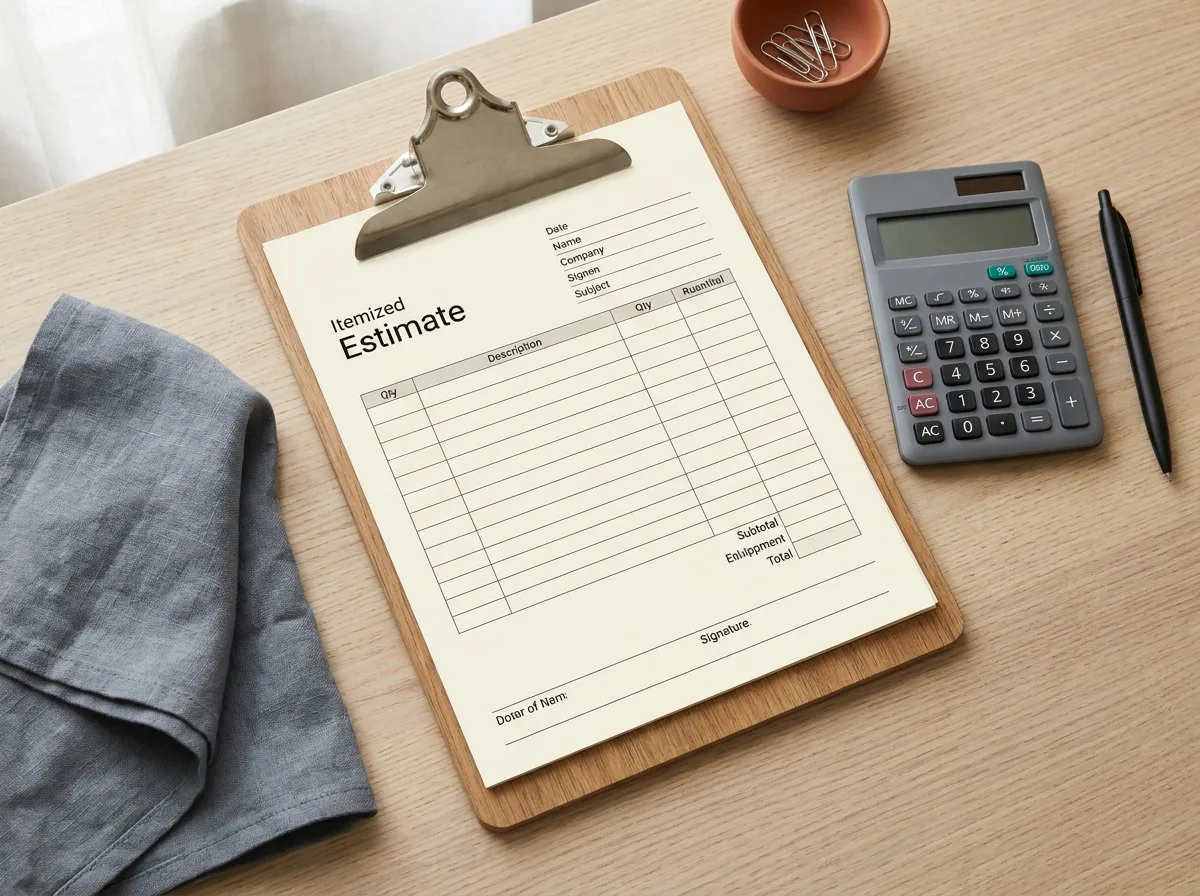
A good quote is itemized, names the exact model and tank size, spells out the warranty and says who pulls the permit. A bad one is a lump sum with no model, no scope and a deadline that expires tonight.
Ask for these in writing:
- Make, model, tank size and fuel type.
- Labor total, with a note on permit and inspection.
- Expansion tank, shutoff valve, flex connectors and TPR discharge pipe, each listed.
- Venting or electrical changes, with a reason for each.
- Old unit removal, warranty terms and any trip or emergency fee.
Here’s a hypothetical example. Say three quotes arrive for a 50-gallon gas tank. Quote A lists the model, expansion tank, permit and haul-away. Quote B is cheaper but leaves out the expansion tank and permit. Quote C is the highest and gives no model number. B isn’t cheaper once those items are added back, and C needs to explain itself.
Red flags include pressure to sign today, a refusal to say who pulls the permit, a very low price with vague scope and large "required upgrades" that nobody can tie to code or condition. If a number seems steep, call a second shop and ask them to price the same list.
Do I need a permit to replace a water heater?
Many cities and counties require a plumbing permit for a water heater replacement, while others exempt like-for-like swaps. Rules differ by location, so call your local building department to confirm. Home Depot and Lowe’s both say their install services handle permits.
Permits exist because water heaters involve gas combustion, venting, electrical power and pressure. An inspection checks details such as the TPR discharge pipe, venting and combustion air. Skipping a permit can complicate a home sale or an insurance claim after a leak, depending on your insurer and jurisdiction. Ask any installer outright who pulls the permit.
Can I replace a hot water heater myself?
In some cases, but it’s easier to get wrong than most people expect. An electric tank swap is within reach for a skilled DIYer who can handle plumbing connections. Gas units, venting and new circuits call for a licensed professional in most areas.
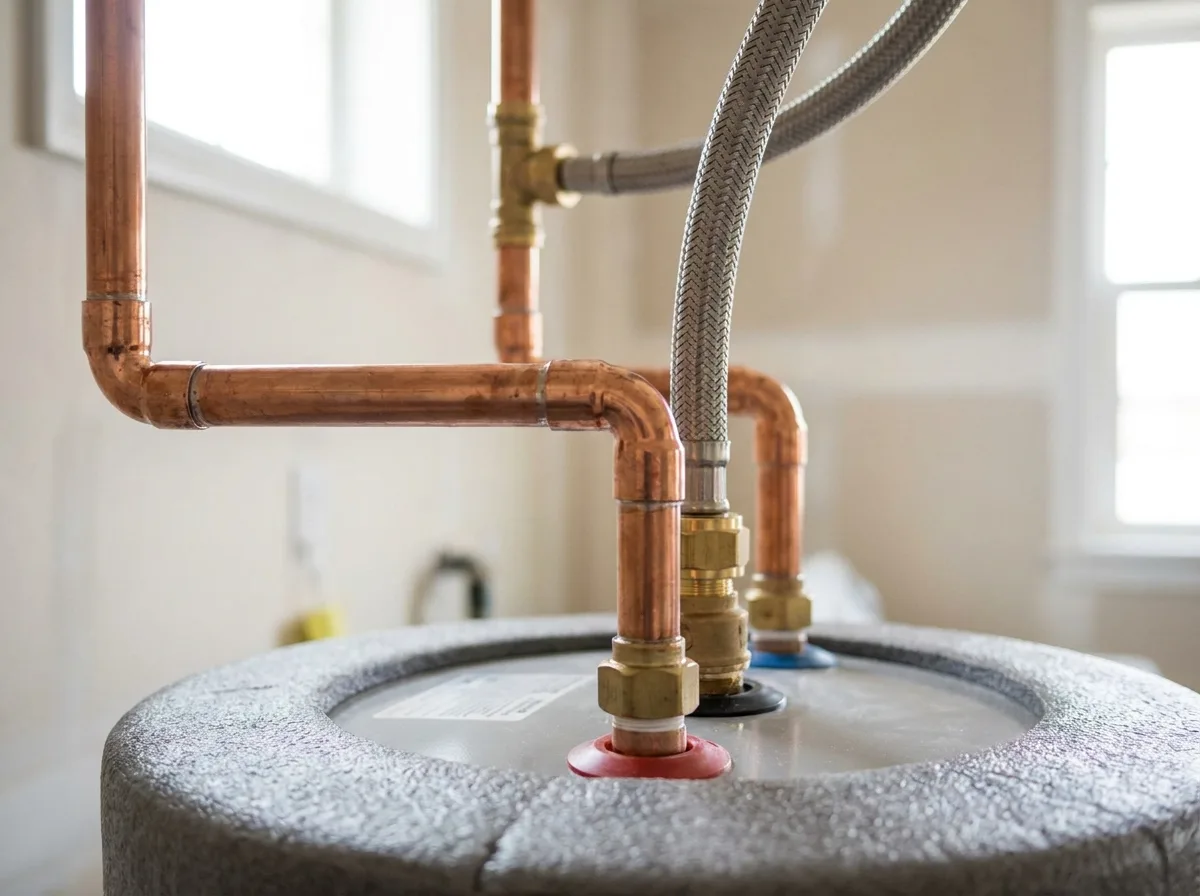
Be honest about the practical side. A filled 50-gallon tank weighs several hundred pounds, and even empty it takes two people to move. You’ll work with copper or flex lines, soldered or push-fit fittings (SharkBite is a common push-fit brand) and a TPR discharge pipe. Electric units need power shut off at the breaker and verified dead before you touch a wire.
If you do decide to replace hot water heater equipment yourself, homeowners who’ve done it report spending roughly $600 on the heater plus about $100 for fittings and a drain pan. That’s a real saving, but it assumes nothing goes wrong. Check your utility’s rebate rules first, since some rebates require professional installation, and check whether your area requires a permit or licensed labor.
How to replace hot water heater tanks: the job in order
This is a map of the job, not a DIY manual. Gas appliances and venting need a licensed plumber, and codes vary.
- Turn off power or gas, close the cold-water supply and drain the tank through a hose.
- Disconnect the water lines and the vent (gas) or wiring (electric).
- Set the new unit in place, on a drain pan where code requires one.
- Connect the lines, flex connectors, expansion tank if needed and TPR discharge pipe.
- Fill the tank with a hot tap open, then check every joint for leaks.
- Restore power or gas, set the temperature and verify combustion and venting on a gas unit.
The TPR discharge pipe and expansion tank must meet your local code, and a gas leak check and combustion check on a gas unit are pro work. A permit may still be needed for a DIY swap, so ask your building department first.
Skip DIY if you smell gas, don’t understand the vent, need a new circuit or gas line, can’t move the tank safely with a helper or live where licensed installers are required. The savings aren’t worth a carbon monoxide risk or a flooded basement.
How long does the replacement take and what happens on install day?
A straightforward tank swap usually takes two to three hours, per Home Depot’s service FAQ, and homeowners often report about two. Fuel conversions, new venting or a tight attic can take most of a day, and tankless conversions often run longer.
The installer drains and removes the old tank, sets the new one, connects everything, then fills and tests it. Gas jobs include a leak check and vent inspection. The tank needs a few hours to heat, so hot water isn’t instant. Clear a path to the door beforehand and ask whether a permit inspection happens that day or later.
What should I do after the new heater is in, and how do I make it last?
Check for leaks within the first day, set the thermostat to 120 degrees F, record the model and serial number and register the warranty. The Consumer Product Safety Commission recommends 120 degrees F to help prevent scalds. For hotter water at the sink, ask a plumber about a mixing valve rather than raising the tank setting.
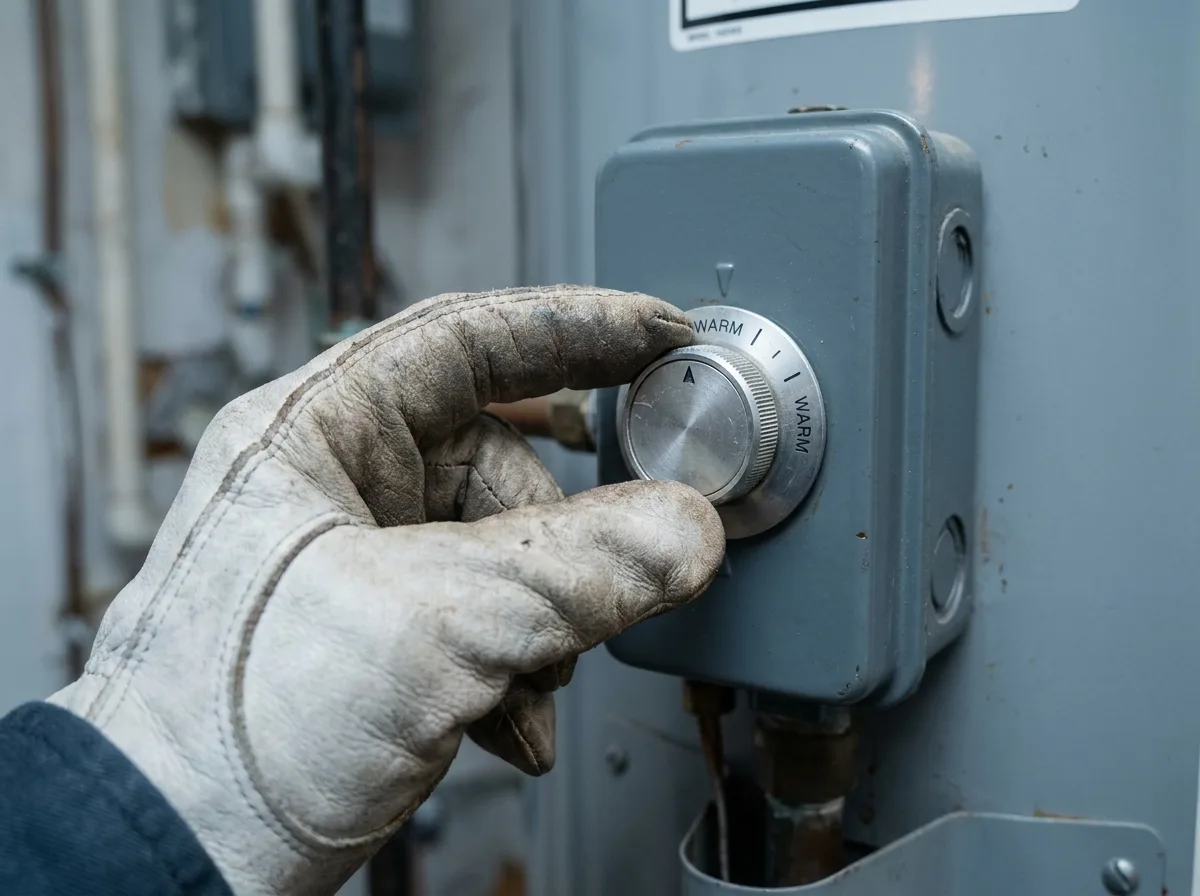
Then keep up a simple routine:
- Flush annually. Rheem recommends flushing once a year to clear sediment, and hard water makes it more important.
- Test the TPR valve. Follow the manufacturer’s instructions and call a plumber if it drips.
- Check the anode rod periodically. This sacrificial rod protects the tank steel, and swapping a spent one costs far less than a new tank.
When you flush, run the hose to a floor drain or laundry sink. If you have to go outdoors, check local rules and keep the discharge away from garden beds, including any olive tree or mulberry tree plantings.
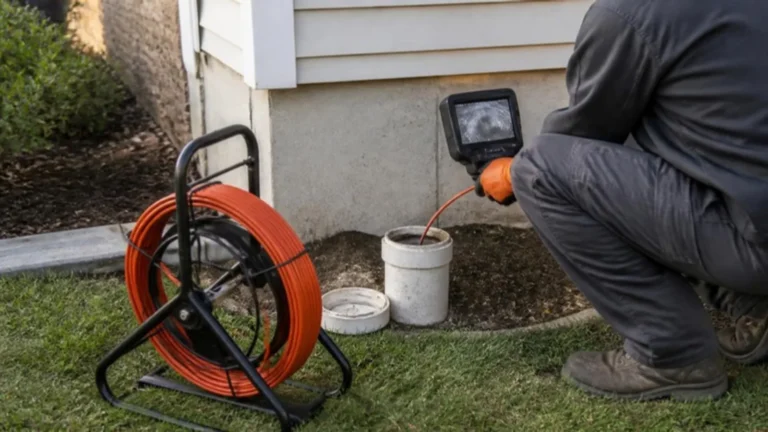
While plumbing is on your mind, consider a sewer inspection if your home has older drain lines or slow drains. It’s a separate system, but a common surprise cost in older houses.
Are there rebates or tax credits for a water heater in 2026?
The federal Energy Efficient Home Improvement Credit, which covered 30 percent of qualifying costs up to $2,000 a year for heat pump water heaters, ended on December 31, 2025, per the IRS. That means no federal credit for 2026 installs, even though older articles still advertise it.
State and local programs may still help. The Department of Energy says state Home Efficiency Rebates can reach up to $1,750 for a heat pump water heater, but availability depends on your state and income rules. Many utilities run their own rebates too, and some require a licensed installer. Check your state energy office, your utility and your installer before you buy.
Water heating makes up nearly 20 percent of home energy use, per the Department of Energy, so efficiency pays over time even without a credit.
Hot water heater replacement FAQ
How much does it cost to replace a water heater?
Fuel, venting, code upgrades and local labor drive the price, and tankless and heat pump models cost more. See the cost section above for ranges. A line for an expansion tank or permit often explains the gap between bids.
How long does a water heater last?
Most tank units last about 10 to 15 years, though Rheem suggests 8 to 12. Hard water, skipped maintenance and a missing expansion tank can shorten that. Water leaking from the tank body means it’s time to replace. The DOE assumes about 13 years for heat pump models.
How long does it take to replace a water heater?
A simple like-for-like swap takes two to three hours, and conversions or tight attics can stretch to most of a day. Allow time afterward for the tank to heat.
Can I replace a gas water heater with an electric one?
Often yes, but it needs a dedicated 240-volt circuit and a breaker with enough capacity. If your panel or wiring can’t support it, costs rise. A licensed electrician or plumber should confirm what your home needs, and local codes apply.
Is a tankless water heater worth it?
It can be if you value endless hot water and space savings and your home can support the gas line, venting or electrical load. Published averages put gas tankless at roughly double a gas tank installed. Many owners recover that slowly, so run the numbers for your usage.
Do I need an expansion tank?
Many homes do, especially where a check valve or pressure-reducing valve makes the plumbing a closed system. Without one, heated water has nowhere to expand, so pressure rises and the TPR valve may drip. Some local codes require one at replacement, so have your installer test system pressure.
What size water heater for a family of four?
Most families of four do well with a tank in the 47 to 50 gallon range, per Home Depot’s sizing guidance. If your current size has been comfortable, keep it.
Does Home Depot or Lowe’s install water heaters, and do they pull permits?
Both offer install services. Their pages say the install includes removing and hauling away the old unit, and they describe permit handling as part of the process. Extra fees can apply for attics, crawlspaces or late scheduling. Confirm permit and warranty terms in writing before you pay.
What temperature should I set a new water heater to?
Set it to 120 degrees F, as the Consumer Product Safety Commission recommends. Check the dial or display after installation, since some units ship set higher.
What happens if I replace a water heater without a permit?
Consequences vary by city. You may face fines, a requirement to open up the work for inspection or trouble when you sell. It can also complicate an insurance claim if the unit fails. Check with your local building department and use an installer who pulls permits openly.
The bottom line on replacing your water heater
Back to the overnight failure from the top. The best move is to stay calm, shut off the water and power or gas, and use the next day to get three itemized quotes for the same specs. For most homes, hot water heater replacement with a like-for-like unit is the fast, fair-priced choice. Switch type only for a clear payoff, such as a heat pump model that cuts electric bills or a tankless unit when space is tight.
Your next step is simple. Write down the age, size and fuel of your current unit, call your building department about permits and ask three installers to price the same list. Include one small independent shop. Hire a licensed pro for any gas, venting or new circuit.
What’s the age of your current heater, and do you know where its serial number is?